
A wearable ring, conversational AI and US$23M in funding. Sandbar wants to rethink how we interact with technology
Updated
March 12, 2026 5:59 PM

Sandbar's Stream ring. PHOTO: SANDBAR
Sandbar, a New York–based interface startup, has raised US$23 million in Series A funding to develop a wearable device that lets people interact with artificial intelligence via voice rather than screens.
Adjacent and Kindred Ventures led the round; both venture firms focused on early-stage technology startups. The investment brings Sandbar’s total funding to us$36 million. Earlier backing included a US$10 million seed round led by True Ventures, a venture capital firm, as well as a US$3 million pre-seed round supported by Upfront Ventures, a venture firm and Betaworks, a startup studio and investment firm.
Sandbar was founded by Mina Fahmi and Kirak Hong, who previously worked together at CTRL-labs, a neural interface startup acquired by Meta in 2019. Their earlier work explored how computers could respond more directly to human intent — an idea that continues to shape Sandbar’s approach to AI interfaces.
The new funding will help the company expand its team across machine learning, interaction design and software engineering as it prepares to launch its first product. That product, called Stream, combines a wearable ring with a conversational AI interface. The system allows users to speak to an AI assistant without unlocking a phone or opening an app.
The concept is simple. Instead of typing into a screen, users press a button on the ring and talk. The system can capture notes, organize ideas, retrieve information from the web or trigger actions through connected applications.
The ring includes a microphone, a touchpad and subtle haptic feedback. These elements allow the device to respond through gentle vibrations rather than visual alerts. According to the company, the ring only listens when the user presses the button — a design meant to address common concerns around always-on microphones.
That design reflects a larger shift Sandbar believes is underway. As AI assistants become more capable, many startups are experimenting with new ways to interact with them. The focus is moving away from screens and keyboards toward interfaces that feel more natural and immediate.
Stream uses multiple AI models working together to process requests, search the web and structure information in real time. The company says users remain in control of their data and can choose whether to share information with other apps.
Sandbar is also developing a feature called Inner Voice, which responds using a voice customized to the user. The feature will debut during a closed beta planned for this spring, giving the company time to refine how the software behaves in everyday use.
The startup currently employs a team of 15 people. Many have worked on well-known consumer devices including the iPhone, Fitbit, Kindle and Vision Pro. Recent hires include Sam Bowen, formerly of Amazon and Fitbit, who joined as vice president of hardware and Brooke Travis, previously at Equinox, Dior and Gap, who now leads marketing.
Sandbar plans to begin shipping Stream in summer 2026 after completing early testing. As artificial intelligence tools become more integrated into daily life, the company is betting that the next shift in computing will not come from another app — but from new ways for people to interact with AI itself.
Keep Reading
Amid AI and tech startups, Eastseabrother proved the power of demand and trust.
Updated
January 23, 2026 10:41 AM
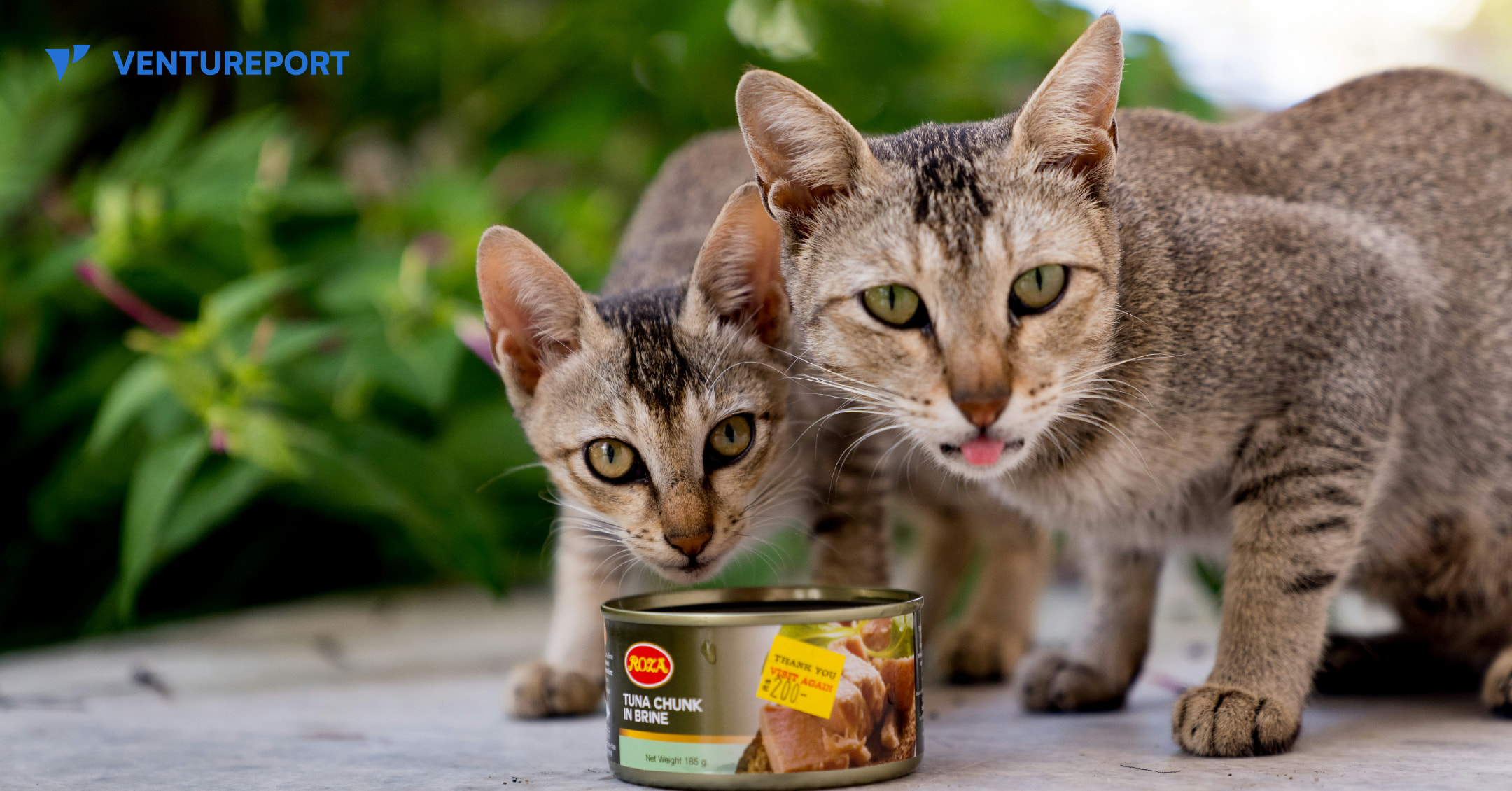
Cats having a jolly good time with a can of tuna. PHOTO: UNSPLASH
At a Silicon Valley pitch event crowded with AI, SaaS and deep-tech startups, the company that stood out was not selling software or algorithms. It was selling pet treats.
Eastseabrother, a premium pet food brand from South Korea, ranked first at a Plug and Play–hosted investor pitch competition in Sunnyvale. The product itself is simple: single-ingredient pet treats made from wild-caught seafood sourced from Korea’s East Sea. The company follows a principle it calls “Only What the Sea Allows”, working directly with regional fishermen while avoiding overfishing. With no additives and minimal processing, what sets Eastseabrother apart is not novelty, but control—over sourcing, supply chains and consistency.
That clarity helped the company walk away with both Best Product and Best Potential. “Investors asked detailed questions about repeat purchase rates and customer feedback, not just our technology or supply chain”, said Eunyul Kim, CEO of Eastseabrother. “That told us the market is shifting—real consumer trust now carries as much weight as a compelling tech narrative”.
What truly caught investors’ attention was not an ambitious vision of the future, but concrete evidence of traction today. Eastseabrother has already secured shelf space in specialty pet stores across California, New York and North Carolina, including an exclusive partnership with EarthWise Pet, a national specialty retail chain. At a consumer showcase at San Francisco’s Ferry Building, the brand recorded the highest on-site sales among all participating companies.
At its core, the pitch was built on simplicity: one ingredient, clear sourcing and a defined customer need. In a market saturated with complex products and abstract claims, that focus and transparency stood out.
The judges’ decision also reflects a broader shift in venture capital thinking. Not every successful startup is built on complex software or high-tech innovation. In categories like pet care—where trust, quality and transparency shape buying behavior—execution and credibility can matter more than technical sophistication.
Today, Eastseabrother has extended its reach beyond the U.S., expanding into Singapore and Hong Kong, with additional plans to grow further in North America as demand for premium pet food rises. And the broader takeaway from this pitch is not that consumer brands are overtaking tech startups. It is that investors are increasingly focused on fundamentals: who is buying, why they are returning and whether the business can sustain itself beyond the pitch deck.