
A closer look at how startups are turning local AI into global opportunity
Updated
March 24, 2026 6:25 PM
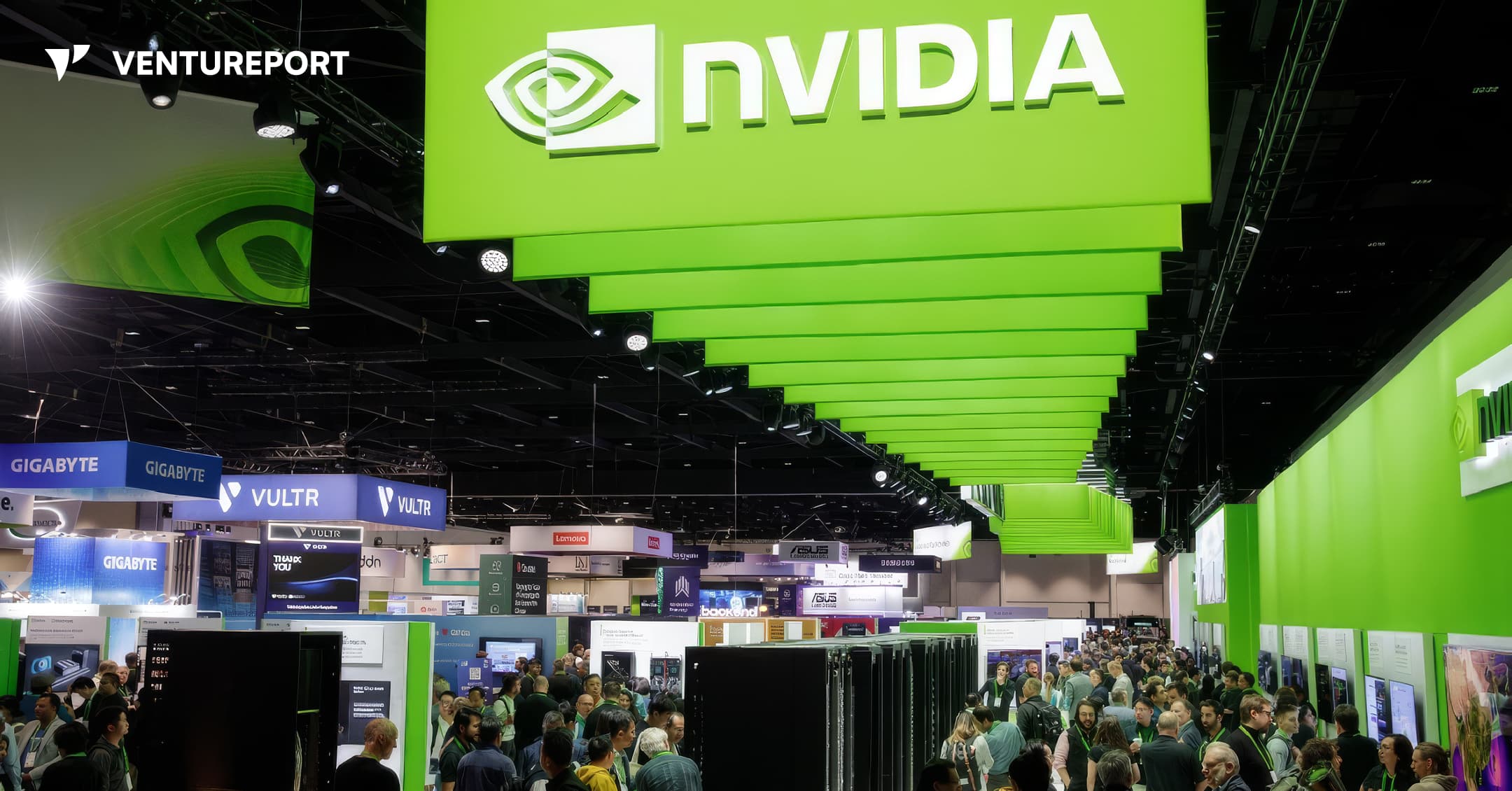
NVIDIA GTC 2026. PHOTO: NVIDIA
At NVIDIA GTC 2026 in Palo Alto, a group of 16 Taiwanese startups used the global AI stage to do more than showcase products—they tested how far their technologies could travel beyond domestic markets. The delegation, led by Startup Island TAIWAN Silicon Valley Hub with support from Taiwan’s National Development Council, reflected a broader shift in the country’s role within the AI ecosystem.
The startups represented a mix of emerging areas including digital twins, robotics, AI agents and healthcare, aligning closely with enterprise AI adoption trends. Some gained formal visibility within NVIDIA’s ecosystem, with companies such as MetAI and Spingence featured in the Inception Program, while six others presented their work in the conference’s poster gallery. These formats allowed them to engage directly with developers, enterprise users and potential partners rather than simply exhibiting technology.
A defining feature of Taiwan’s presence this year was how closely startups operated alongside established hardware companies such as ASUS, AAEON and Compal. This setup reflected a vertically integrated model where infrastructure and applications are developed together, offering a clearer path from product development to deployment. It also underscored Taiwan’s gradual shift from being primarily a hardware supplier to participating more actively across the full AI stack.
Activity around the conference extended well beyond the exhibition floor. A Taiwan Demo Day held during the week drew more than 1,000 registrations and nearly 600 in-person attendees, bringing startups into contact with close to 200 international investors. The event focused on structured introductions and deal flow, positioning startups in front of venture firms and corporate innovation teams looking for AI applications.
Alongside these formal sessions, Taiwan Startup Night provided a more informal but equally strategic setting. With over 100 curated participants, including founders, investors and corporate representatives, the gathering created space for early-stage conversations that could evolve into partnerships or market entry opportunities. These interactions, while less visible than on-stage presentations, are often where initial collaboration takes shape.
Taken together, the events around GTC point to a more coordinated approach to international expansion. Through platforms like Startup Island TAIWAN, the emphasis is not just on visibility but on building continuity—connecting startups with investors, partners and customers across multiple touchpoints in a single week. As AI development increasingly spans chips, systems and applications, Taiwan’s presence at GTC suggests a more integrated role, where the focus is as much on enabling global deployment as it is on developing the technology itself.
Keep Reading
A wearable ring, conversational AI and US$23M in funding. Sandbar wants to rethink how we interact with technology
Updated
March 12, 2026 5:59 PM

Sandbar's Stream ring. PHOTO: SANDBAR
Sandbar, a New York–based interface startup, has raised US$23 million in Series A funding to develop a wearable device that lets people interact with artificial intelligence via voice rather than screens.
Adjacent and Kindred Ventures led the round; both venture firms focused on early-stage technology startups. The investment brings Sandbar’s total funding to us$36 million. Earlier backing included a US$10 million seed round led by True Ventures, a venture capital firm, as well as a US$3 million pre-seed round supported by Upfront Ventures, a venture firm and Betaworks, a startup studio and investment firm.
Sandbar was founded by Mina Fahmi and Kirak Hong, who previously worked together at CTRL-labs, a neural interface startup acquired by Meta in 2019. Their earlier work explored how computers could respond more directly to human intent — an idea that continues to shape Sandbar’s approach to AI interfaces.
The new funding will help the company expand its team across machine learning, interaction design and software engineering as it prepares to launch its first product. That product, called Stream, combines a wearable ring with a conversational AI interface. The system allows users to speak to an AI assistant without unlocking a phone or opening an app.
The concept is simple. Instead of typing into a screen, users press a button on the ring and talk. The system can capture notes, organize ideas, retrieve information from the web or trigger actions through connected applications.
The ring includes a microphone, a touchpad and subtle haptic feedback. These elements allow the device to respond through gentle vibrations rather than visual alerts. According to the company, the ring only listens when the user presses the button — a design meant to address common concerns around always-on microphones.
That design reflects a larger shift Sandbar believes is underway. As AI assistants become more capable, many startups are experimenting with new ways to interact with them. The focus is moving away from screens and keyboards toward interfaces that feel more natural and immediate.
Stream uses multiple AI models working together to process requests, search the web and structure information in real time. The company says users remain in control of their data and can choose whether to share information with other apps.
Sandbar is also developing a feature called Inner Voice, which responds using a voice customized to the user. The feature will debut during a closed beta planned for this spring, giving the company time to refine how the software behaves in everyday use.
The startup currently employs a team of 15 people. Many have worked on well-known consumer devices including the iPhone, Fitbit, Kindle and Vision Pro. Recent hires include Sam Bowen, formerly of Amazon and Fitbit, who joined as vice president of hardware and Brooke Travis, previously at Equinox, Dior and Gap, who now leads marketing.
Sandbar plans to begin shipping Stream in summer 2026 after completing early testing. As artificial intelligence tools become more integrated into daily life, the company is betting that the next shift in computing will not come from another app — but from new ways for people to interact with AI itself.