
A closer look at how startups are turning local AI into global opportunity
Updated
March 24, 2026 6:25 PM
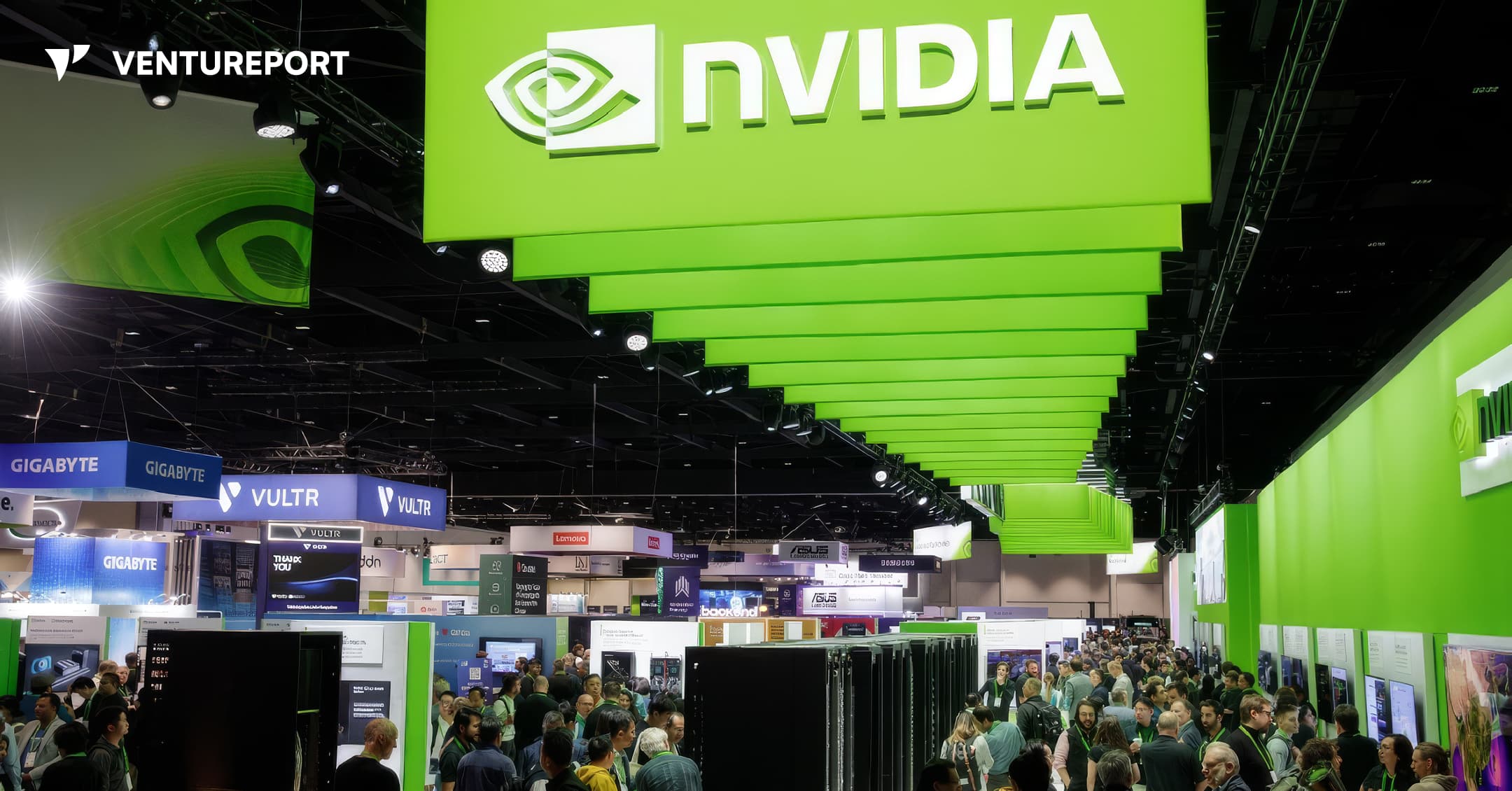
NVIDIA GTC 2026. PHOTO: NVIDIA
At NVIDIA GTC 2026 in Palo Alto, a group of 16 Taiwanese startups used the global AI stage to do more than showcase products—they tested how far their technologies could travel beyond domestic markets. The delegation, led by Startup Island TAIWAN Silicon Valley Hub with support from Taiwan’s National Development Council, reflected a broader shift in the country’s role within the AI ecosystem.
The startups represented a mix of emerging areas including digital twins, robotics, AI agents and healthcare, aligning closely with enterprise AI adoption trends. Some gained formal visibility within NVIDIA’s ecosystem, with companies such as MetAI and Spingence featured in the Inception Program, while six others presented their work in the conference’s poster gallery. These formats allowed them to engage directly with developers, enterprise users and potential partners rather than simply exhibiting technology.
A defining feature of Taiwan’s presence this year was how closely startups operated alongside established hardware companies such as ASUS, AAEON and Compal. This setup reflected a vertically integrated model where infrastructure and applications are developed together, offering a clearer path from product development to deployment. It also underscored Taiwan’s gradual shift from being primarily a hardware supplier to participating more actively across the full AI stack.
Activity around the conference extended well beyond the exhibition floor. A Taiwan Demo Day held during the week drew more than 1,000 registrations and nearly 600 in-person attendees, bringing startups into contact with close to 200 international investors. The event focused on structured introductions and deal flow, positioning startups in front of venture firms and corporate innovation teams looking for AI applications.
Alongside these formal sessions, Taiwan Startup Night provided a more informal but equally strategic setting. With over 100 curated participants, including founders, investors and corporate representatives, the gathering created space for early-stage conversations that could evolve into partnerships or market entry opportunities. These interactions, while less visible than on-stage presentations, are often where initial collaboration takes shape.
Taken together, the events around GTC point to a more coordinated approach to international expansion. Through platforms like Startup Island TAIWAN, the emphasis is not just on visibility but on building continuity—connecting startups with investors, partners and customers across multiple touchpoints in a single week. As AI development increasingly spans chips, systems and applications, Taiwan’s presence at GTC suggests a more integrated role, where the focus is as much on enabling global deployment as it is on developing the technology itself.
Keep Reading
AI actor Tilly Norwood releases a musical video arguing that artificial intelligence can expand creativity in film
Updated
March 13, 2026 2:18 PM

AI Actor Tilly Norwood. PHOTO: INSTAGRAM@TILLYNORWOOD
As Hollywood prepares for this weekend’s Oscars, a different kind of performer is stepping into the spotlight — one that doesn’t physically exist.
Tilly Norwood, described as the world’s first AI actor, has released her debut musical comedy video, Take the Lead. The project arrives at a moment when artificial intelligence has become one of the most contentious topics in the film industry.
The message of the song is simple. AI should not be seen as a threat to actors. Instead, it can become another creative tool. The release also offers a first look at what Norwood’s creators call the “Tillyverse”. It is envisioned as a cloud-based entertainment world where AI characters can live, interact and perform.
Behind the character is actor and producer Eline van der Velden. She is the CEO of production company Particle6 and AI talent studio Xicoia. Van der Velden created Tilly as a way to experiment with how artificial intelligence could be used in storytelling.
The timing is not accidental. The entertainment industry has spent the past few years debating the role AI should play in filmmaking and acting. Questions about digital replicas, automated performances and creative ownership continue to divide artists and studios.
Norwood’s musical video enters that debate with a different tone. Instead of warning about AI replacing actors, the project suggests that the technology could expand what performers are able to do.
The video itself also serves as a technical experiment. The song Take the Lead was generated using the AI music platform Suno. The video was then produced using a combination of widely available AI tools and Particle6’s own creative process.
One of the newer techniques used in the project is performance capture. Van der Velden physically acted out Tilly’s movements and expressions so the digital character could mirror a human performance. But the production was far from automated. According to Particle6, a team of 18 people worked on the video. The group included a director, editor, production designer, costume designer, comedy writer and creative technologist. In other words, the project still relied heavily on human creativity.
“Tilly has always been a vehicle to test the creative capabilities and boundaries of AI,” van der Velden said. “It’s not about taking anyone’s job”. She added that even with powerful tools, good AI content still takes time, taste and creative direction.
The project also reflects how quickly production technology is evolving. Tools that once required large studios are now accessible to smaller creative teams experimenting with AI-driven storytelling.
For Particle6, the character of Tilly Norwood acts as a testing ground. Each project explores how AI performers might be developed, directed and integrated into entertainment. Whether audiences embrace digital actors remains an open question. Many in the industry are still wary of how AI could reshape creative work.
But projects like Take the Lead show another possibility. Instead of replacing performers, artificial intelligence could become part of the creative process itself. In that sense, Tilly Norwood may represent something more than a virtual performer. She is also an experiment in how humans and machines might collaborate in the future of entertainment.