
A new safety layer aims to help robots sense people in real time without slowing production
Updated
February 13, 2026 10:44 AM
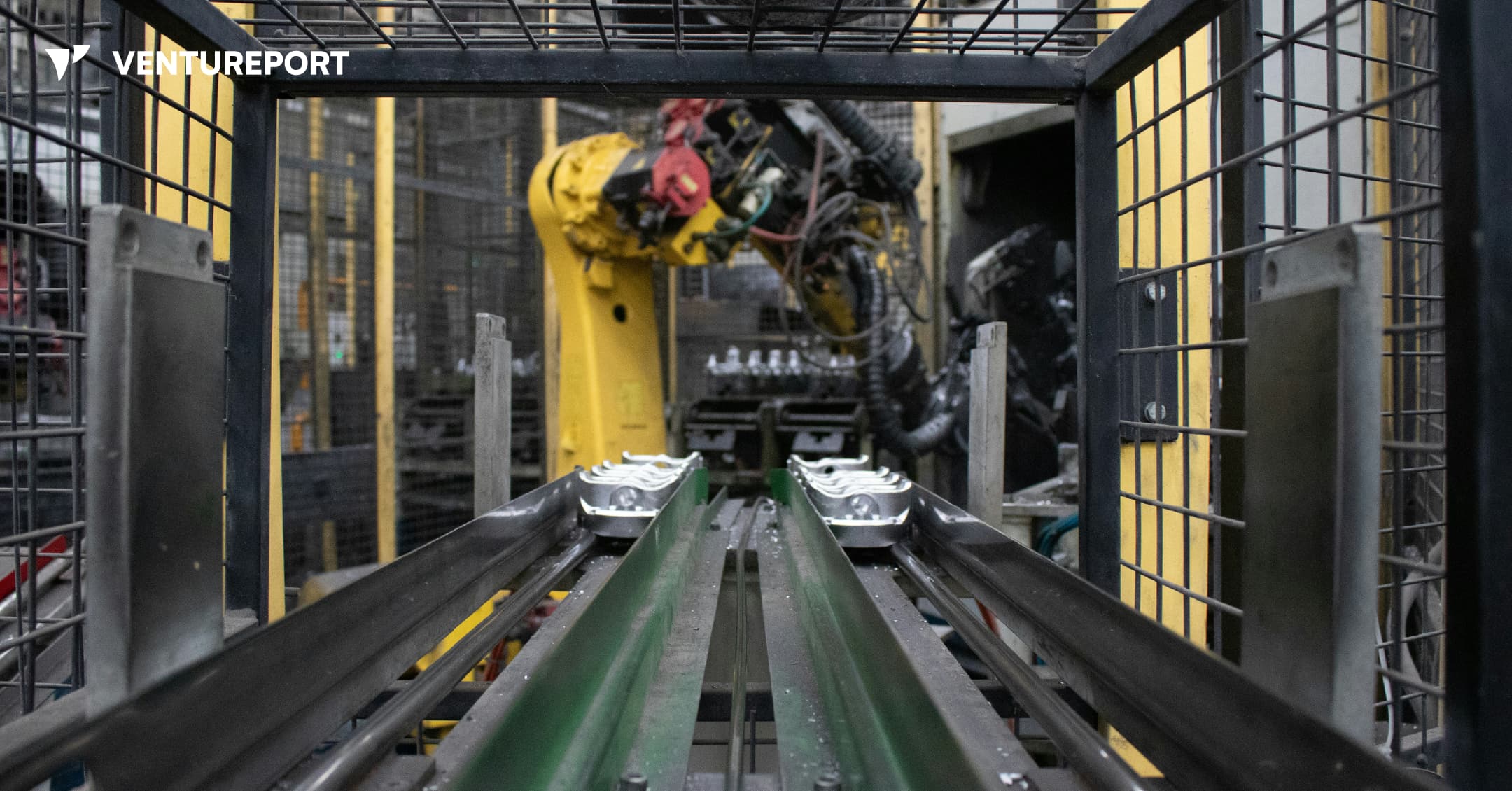
An industrial robot in a factory. PHOTO: UNSPLASH
Algorized has raised US$13 million in a Series A round to advance its AI-powered safety and sensing technology for factories and warehouses. The California- and Switzerland-based robotics startup says the funding will help expand a system designed to transform how robots interact with people. The round was led by Run Ventures, with participation from the Amazon Industrial Innovation Fund and Acrobator Ventures, alongside continued backing from existing investors.
At its core, Algorized is building what it calls an intelligence layer for “physical AI” — industrial robots and autonomous machines that function in real-world settings such as factories and warehouses. While generative AI has transformed software and digital workflows, bringing AI into physical environments presents a different challenge. In these settings, machines must not only complete tasks efficiently but also move safely around human workers.
This is where a clear gap exists. Today, most industrial robots rely on camera-based monitoring systems or predefined safety zones. For instance, when a worker steps into a marked area near a robotic arm, the system is programmed to slow down or stop the machine completely. This approach reduces the risk of accidents. However, it also means production lines can pause frequently, even when there is no immediate danger. In high-speed manufacturing environments, those repeated slowdowns can add up to significant productivity losses.
Algorized’s technology is designed to reduce that trade-off between safety and efficiency. Instead of relying solely on cameras, the company utilizes wireless signals — including Ultra-Wideband (UWB), mmWave, and Wi-Fi — to detect movement and human presence. By analysing small changes in these radio signals, the system can detect motion and breathing patterns in a space. This helps machines determine where people are and how they are moving, even in conditions where cameras may struggle, such as poor lighting, dust or visual obstruction.
Importantly, this data is processed locally at the facility itself — not sent to a remote cloud server for analysis. In practical terms, this means decisions are made on-site, within milliseconds. Reducing this delay, or latency, allows robots to adjust their movements immediately instead of defaulting to a full stop. The aim is to create machines that can respond smoothly and continuously, rather than reacting in a binary stop-or-go manner.
With the new funding, Algorized plans to scale commercial deployments of its platform, known as the Predictive Safety Engine. The company will also invest in refining its intent-recognition models, which are designed to anticipate how humans are likely to move within a workspace. In parallel, it intends to expand its engineering and support teams across Europe and the United States. These efforts build on earlier public demonstrations and ongoing collaborations with manufacturing partners, particularly in the automotive and industrial sectors.
For investors, the appeal goes beyond safety compliance. As factories become more automated, even small improvements in uptime and workflow continuity can translate into meaningful financial gains. Because Algorized’s system works with existing wireless infrastructure, manufacturers may be able to upgrade machine awareness without overhauling their entire hardware setup.
More broadly, the company is addressing a structural limitation in industrial automation. Robotics has advanced rapidly in precision and power, yet human-robot collaboration is still governed by rigid safety systems that prioritise stopping over adapting. By combining wireless sensing with edge-based AI models, Algorized is attempting to give machines a more continuous awareness of their surroundings from the start.
Keep Reading
How the high-profile trial of the music mogul offers lessons for entrepreneurs on accountability, ethics, and leadership.
Updated
January 8, 2026 6:35 PM
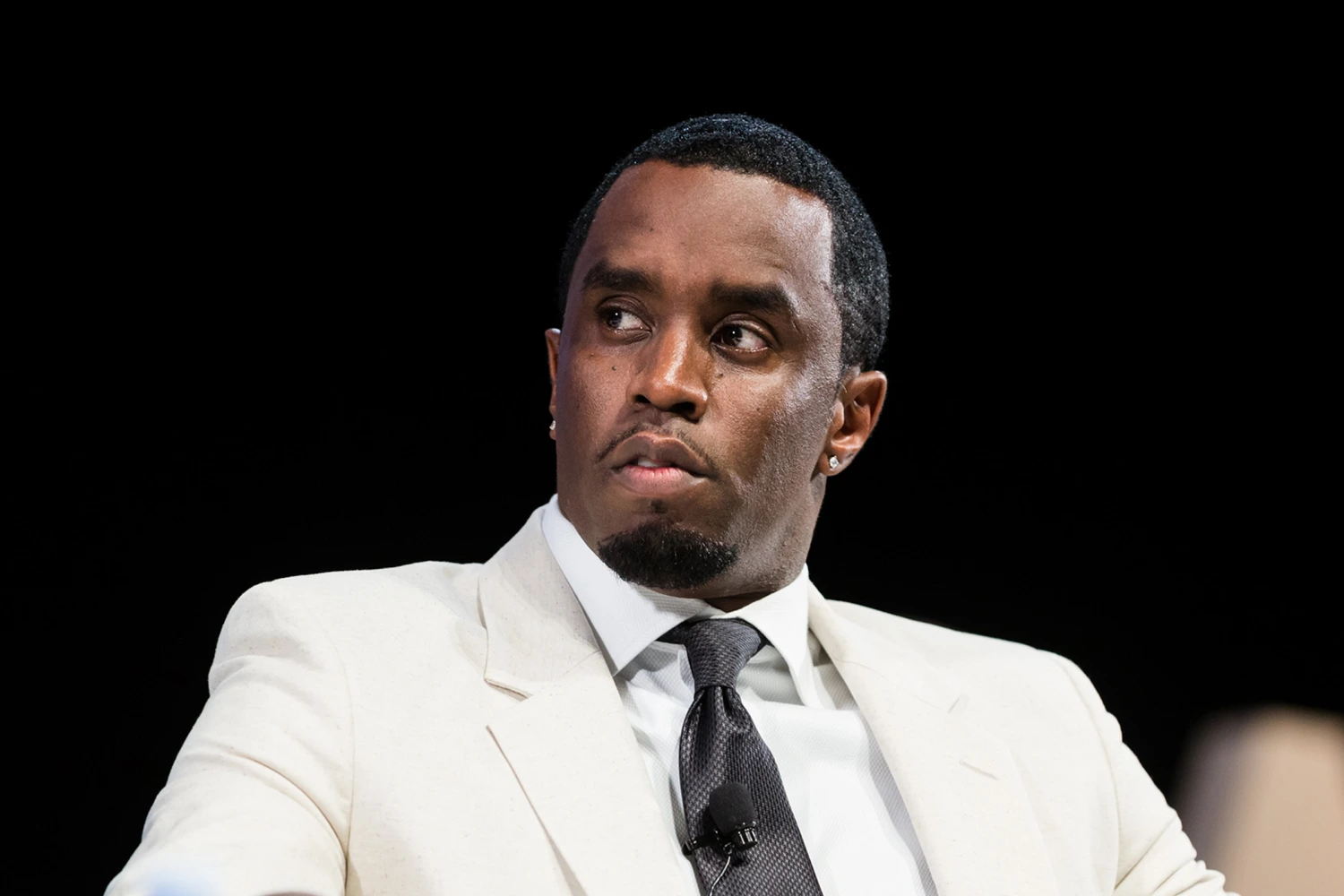
Sean "DIddy" Combs. PHOTO: NPC NEWS
Sean “Diddy” Combs—hip-hop icon, entrepreneur, and cultural force—has built a career on his larger-than-life persona, business acumen, and ability to dominate industries ranging from music to fashion to spirits. But his recent trial, which involves explosive allegations of racketeering, sex trafficking, and transportation to engage in prostitution, has cast a shadow over his legacy.
The federal trial, which began after his arrest in September 2024, has revealed shocking claims, including coercion, manipulation, and the abuse of power in both personal and professional settings. While Combs has pleaded not guilty to all charges, the case offers valuable lessons for small business owners about leadership, ethics, and the responsibility that comes with power.
Here’s what entrepreneurs can learn from the allegations and fallout surrounding Diddy’s trial.
Diddy has been accused of creating a toxic environment that involved coercion, manipulation, and abuse of power—both in his personal relationships and his professional dealings. The trial has highlighted allegations of “freak-offs,” elaborate sexual encounters with escorts that were reportedly coerced, as well as threats of financial and reputational harm to control others.
In business, leaders hold significant power over employees, partners, and collaborators. whether through coercion, intimidation, or favoritism—can lead to toxic environments and long-term damage to the organization.
The case has shown how Diddy’s alleged actions went unchecked for years, with accusations of violence, threats, and even financial control over his accusers. Testimonies from former employees and partners reveal a pattern of behavior that created a culture of fear and silence around him.
For small business owners, this is a reminder that accountability begins with leadership. If you fail to hold yourself and others accountable, you risk fostering an environment where misconduct is ignored or accepted.
A recurring theme in the trial is how Combs’ personal actions—both alleged and confirmed—have affected his professional reputation. From footage of him physically assaulting Cassie in a hotel hallway to allegations of coercion during drug-fueled parties, the courtroom revelations have tarnished his public image and cast a shadow over his brand.
For small business owners, this reinforces an important truth: your personal behavior can have far-reaching consequences for your business. Customers, employees, and partners often associate the values and reputation of a business with its leader.
The case has also highlighted the dangers of power imbalances. Testimonies from accusers like Cassie allege that Diddy used financial control—such as threatening to withhold rent payments—to coerce others into complying with his demands.
In a small business setting, power dynamics are also present, particularly between employers and employees or business owners and partners. Misusing that power, even unintentionally, can lead to resentment, distrust, and legal challenges.
The allegations against Diddy span more than a decade, with claims of abuse dating back decades. Had there been systems in place to address grievances or hold him accountable earlier, the damage to his brand—and to the individuals involved—might have been mitigated.
For small businesses, neglecting proactive measures to address workplace issues can lead to larger crises later. Waiting until problems escalate is not only costly but can also permanently harm your business’s reputation.
The Sean “Diddy” Combs trial is a cautionary tale about the consequences of unchecked power, unethical behavior, and a lack of accountability. For small business owners, it underscores the importance of leadership that prioritizes transparency, fairness, and integrity.
Running a business isn’t just about profits—it’s about creating a legacy founded on trust and respect. By learning from the mistakes and controversies of others, entrepreneurs can build companies that inspire loyalty, foster positive relationships, and stand the test of time.