
From TV to YouTube, the Oscars’ global shift reveals how entertainment, access and platforms are reshaping cultural institutions.
Updated
January 8, 2026 6:29 PM

Youtube app on a mobile device. PHOTO: UNSPLASH
The Oscars are moving to YouTube. Beginning in 2029, the Academy of Motion Picture Arts and Sciences has signed a multi-year agreement that makes YouTube the exclusive global home of the Oscars through 2033. From the ceremony itself to red carpet coverage, behind-the-scenes access and the Governors Ball, the entire experience will live on a platform most people already open every day.
On the surface, it looks like a distribution shift. In reality, it signals a broader strategic reset. For decades, television delivered scale for cultural institutions. Today, reach and discovery live on platforms, not channels. By choosing YouTube, the Academy is quietly acknowledging that cultural relevance today is built where audiences already are. In that context, YouTube is no longer just a place to watch clips but an emerging piece of cultural infrastructure.
What also stands out is how the Oscars are being reframed. This partnership is not limited to one night a year. Alongside the ceremony, YouTube will host year-round Academy programming through the Oscars YouTube channel. That includes nominations announcements, the Governors Awards, the Student Academy Awards, the Scientific and Technical Awards, filmmaker interviews, podcasts and education programs. Instead of a single broadcast moment, the Oscars are turning into an always-on ecosystem.
Accessibility is another central pillar of the deal. The Oscars will be free to watch globally, supported by closed captioning and audio tracks in multiple languages. This is less about nice-to-have features and more about staying relevant in a global, digital-first world. Younger audiences and viewers outside traditional Western markets expect access by default. The Academy is clearly building with that expectation in mind.
There is also a deeper exchange happening between heritage and technology. YouTube gains cultural weight by hosting one of the world’s most established creative institutions. The Academy, in turn, gains technological legitimacy and a clearer path into the future.
That balance extends to how the transition is being handled. The Academy’s domestic broadcast partnership with Disney ABC will continue through the 100th Oscars in 2028 and the international arrangement with Disney’s Buena Vista International remains in place until then. This is not an abrupt break from legacy media but a carefully phased shift. Change is being managed without burning bridges.
“We are thrilled to enter into a multifaceted global partnership with YouTube to be the future home of the Oscars and our year-round Academy programming,” said Academy CEO Bill Kramer and Academy President Lynette Howell Taylor. “The Academy is an international organization and this partnership will allow us to expand access to the work of the Academy to the largest worldwide audience possible — which will be beneficial for our Academy members and the film community. This collaboration will leverage YouTube’s vast reach and infuse the Oscars and other Academy programming with innovative opportunities for engagement while honoring our legacy. We will be able to celebrate cinema, inspire new generations of filmmakers and provide access to our film history on an unprecedented global scale.”
From YouTube’s side, the partnership places the platform firmly in the center of global cultural moments. “The Oscars are one of our essential cultural institutions, honoring excellence in storytelling and artistry,” said Neal Mohan, CEO, YouTube. “Partnering with the Academy to bring this celebration of art and entertainment to viewers all over the world will inspire a new generation of creativity and film lovers while staying true to the Oscars’ storied legacy.”
Google Arts & Culture extends the partnership beyond the ceremony. Select Academy Museum exhibitions and materials from the Academy’s 52-million-item collection will be made digitally accessible worldwide, bringing film history and education onto the same platform.
Taken together, the deal is less about where the Oscars will stream and more about how cultural institutions are adapting to the changing landscape. The Academy is positioning itself to be present year-round, globally accessible and aligned with the platforms that shape everyday viewing.
Keep Reading
From pre-orders to market entry, Rokid’s Taiwan campaign reflects how AI hardware is being introduced to consumers today.
Updated
January 8, 2026 6:30 PM
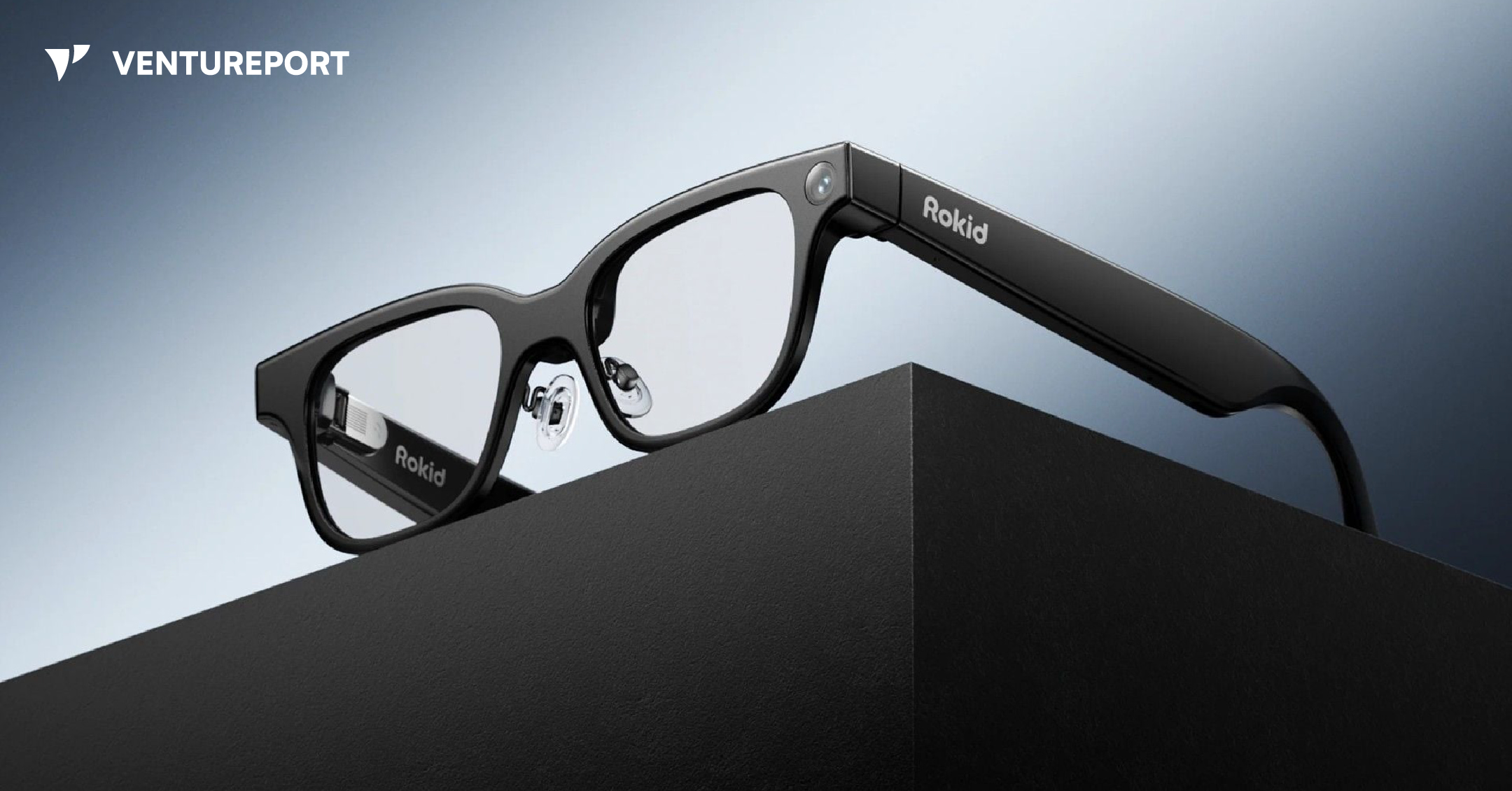
Rokid Glasses, a pair of AR glasses from Rokid. PHOTO: ROKID
Rokid has reached a significant crowdfunding milestone in Taiwan. Its Rokid Glasses campaign surpassed NT$62 million in pre-order funding on zeczec, Taiwan’s creative-oriented crowdfunding platform. The campaign ranked No. 1 across all categories on the platform in 2025 and entered the Top 10 funded campaigns in zeczec’s history, setting new records for AI and XR-related projects.
The campaign launched on October 28 and became one of the platform’s most prominent technology initiatives of the year. According to the company, the outcome followed growing visibility for Rokid Glasses after product showcases in New York, Berlin, Singapore and Paris, positioning the Taiwan campaign within a broader international rollout.
The crowdfunding achievement coincided with Rokid’s official market entry in Taiwan. On December 10, the company debuted Rokid Glasses locally, introducing the product to media, partners and early users in the region. The Taiwan launch mirrored earlier international events and connected the online crowdfunding campaign with a physical market presence.
Rokid Glasses combine augmented reality displays with built-in AI functions, including real-time multilingual translation, live transcription, navigation, object recognition and voice assistance. These capabilities were central to how the product was presented during both the crowdfunding campaign and the Taiwan launch, without framing the project as a traditional consumer electronics release.
The Taiwan campaign builds on Rokid’s prior crowdfunding history. The company previously raised more than US$4 million on Kickstarter, where Rokid Glasses became the highest-funded XR wearable project on the platform. The zeczec campaign extends that track record into one of Asia’s most established consumer electronics markets.
“Taiwan has one of the world's most mature and discerning consumer electronics markets”, said Said Justo Chang, Head of Global Channels at Rokid. “Reaching the top of Taiwan's crowdfunding platform is a great commercial achievement. We are excited to finally introduce Rokid Glasses to Taiwan”.
More broadly, the campaign highlights how crowdfunding platforms continue to function as launch and distribution channels for emerging AI and XR hardware. In Rokid’s case, product rollout, market entry and public participation converged within a single campaign, marking a notable moment for AI-enabled wearables in Taiwan’s technology landscape.