
Here’s the story of how a quirky toy transformed into a worldwide phenomenon.
Updated
January 8, 2026 6:35 PM
.jpg)
Labubu vinyl figure displayed with surprise blind boxes in a store in Guayaquil, Ecuador. PHOTO: ADOBE STOCK
Trends move fast. One moment it's Dubai’s viral “Kunafa” chocolate bar, the next it’s Labubu—a mischievous-looking doll—racks up US$670 million in revenue this year, even outpacing Barbie and Hot Wheels. Celebrities like BLACKPINK’s Lisa and Dua Lipa have been spotted with Labubu dolls—whether as bag charms or in playful social posts.
For those unfamiliar, Labubu is the breakout character from the book series“The Monster” by Hong Kong-born, Belgium-based artist Kasing Lung. Alongside Labubu, the series features other quirky monsters like Zimomo, Mokoko and Tycoco—often grouped together as “Labubus”. These vinyl Labubu figures first entered the collectible scene in 2011 as “Monsters”, produced by Hong Kong-based production house How2Work. In 2019, Lung signed an exclusive licensing deal with Pop Mart, a Beijing-based toy collectible company, which further boosted the recognition and popularity of the franchise.
At first glance, Labubu might seem like just another fad. But the craze shows something deeper: in digital marketing, virality doesn’t happen by accident. It’s the result of timing, relatability and the rway global communities amplify trends.
So, what can marketers learn from the Labubu phenomenon? Let’s take a closer look.
Labubu’s unconventional aesthetics—a notorious grin, sharp teeth and wide eyes—break the traditional mold of “cute” toys. The social listening report from Meltwater, a media intelligence company reveals that from January to May 2025, mentions of “cute” outnumbered “ugly” nearly five to one. This “ugly-cute” look gave Labubu its identity and helped it stand out in a crowded market.
Marketing lesson: In a world of where everything blends together on endless feeds, uniqueness wins. Standing out with bold, even unconventional design choices can spark curiosity and desire. By leaning into what makes a product different, brands create instant recognition and give people something worth talking about.
Labubu’s surge in popularity is deeply rooted in Pop Mart’s focus on building genuine relationships with its fans. The company encourages user-generated content— unboxings, fan art, influencer stories—that fueled Labubu’s spread online and build brand engagement. Fans weren’t just buying toys; they were becoming part of a community that celebrated each new design.
Marketing lesson: Customers don’t want to feel like faceless buyers. They want to feel seen, heard and part of something bigger. By encouraging engagement and valuing contributions, brands can turn casual customers into loyal advocates who spread the word on their behalf.
While Pop Mart notes Labubu is most popular among women aged 18–30, its audience has broadened beyond that group. The design draws on influences from Nordic mythology and East Asian “kawaii” culture, making it feel both familiar and new to global audiences.
For Millennials and Gen Xers, Labubu also sparks nostalgia for toy crazes like Tickle Me Elmo and Beanie Babies that once lit up childhoods before fading away. Together, these layers of cultural resonance and cross-generational charm give Labubu an unusually broad reach.
Marketing lessons: Relatability is a powerful driver of virality. When a product can connect across generations and cultures, it expands far beyond a niche fan base. Brands that blend familiarity with novelty can build bridges to much larger audiences.
Labubu’s blind box model makes buying feel like a game. The thrill of not knowing which design you’d unwrap made collecting Labubus fun. It also turns buying into an emotional experience rather than a rational choice, fueling the urge to complete entire collections.
Besides, the suspense itself became content—millions watched unboxing videos to share in the excitement. Even BLACKPINK’s Lisa admitted she began with “only three to four” Labubus but soon wanted “a whole box” of the latest collection.
Marketing lesson: Mystery creates excitement, and excitement drives repeat purchases. By adding an element of surprise, brands can make the buying experience feels less like a transaction and more like a story unfolding. That thrill keeps customers coming back and makes the product easy to share online.
Pop Mart releases Labubus in limited drops, often tied to holidays or cultural events. Some editions include ultra-rare “chase” figures—appearing only once in every 144 boxes—creating a strong sense of urgency and fear-of-missing out (FOMO) among buyers. This strategy fuels a booming resale market, where regular figures retailing at US$25 can sell for US$200–US$300, and rare editions have even fetched prices up to US$150,000.
Marketing lessons: Scarcity isn’t just about limiting supply—it’s about building anticipation. By tying releases to events and sprinkling in rare editions, brands keep fans watching for the next drop. This combination of urgency and exclusivity transforms ordinary products into must-have collectibles.
Labubu has expanded its reach through creative brand collaborations. For instance, the Labubu x Coca-Cola series features figures in iconic red-and-white themes, while a Vans Old Skool drop merged streetwear in the clothing brand’s notable checkerboard pattern with collectibles. The One Piece collaboration blended Labubu’s quirky style with beloved anime heroes, appealing to fans of both worlds.
Marketing takeaway: Collaborations breathe fresh life into a brand and open doors to new audiences. Partnering with well-known names adds cultural weight and collectible value, while keeping the brand relevant in different communities. Done right, collaborations turn niche products into mainstream sensations.
Labubu’s phenomenal success is more than a passing craze. It’s proof that bold design, authentic community building, clever scarcity and cultural collaborations can transform a quirky idea into a global movement.
For marketers, the takeaway is simple: don’t just chase trends—create something real and let your community shape the story with you. Be bold, stay authentic and bring your fans along for the ride. That’s how brands move from fleeting hype to lasting cultural icons.
Keep Reading
The collaboration between Oversonic Robotics and STMicroelectronics highlights how robotics is beginning to fill gaps traditional automation cannot.
Updated
January 23, 2026 10:41 AM
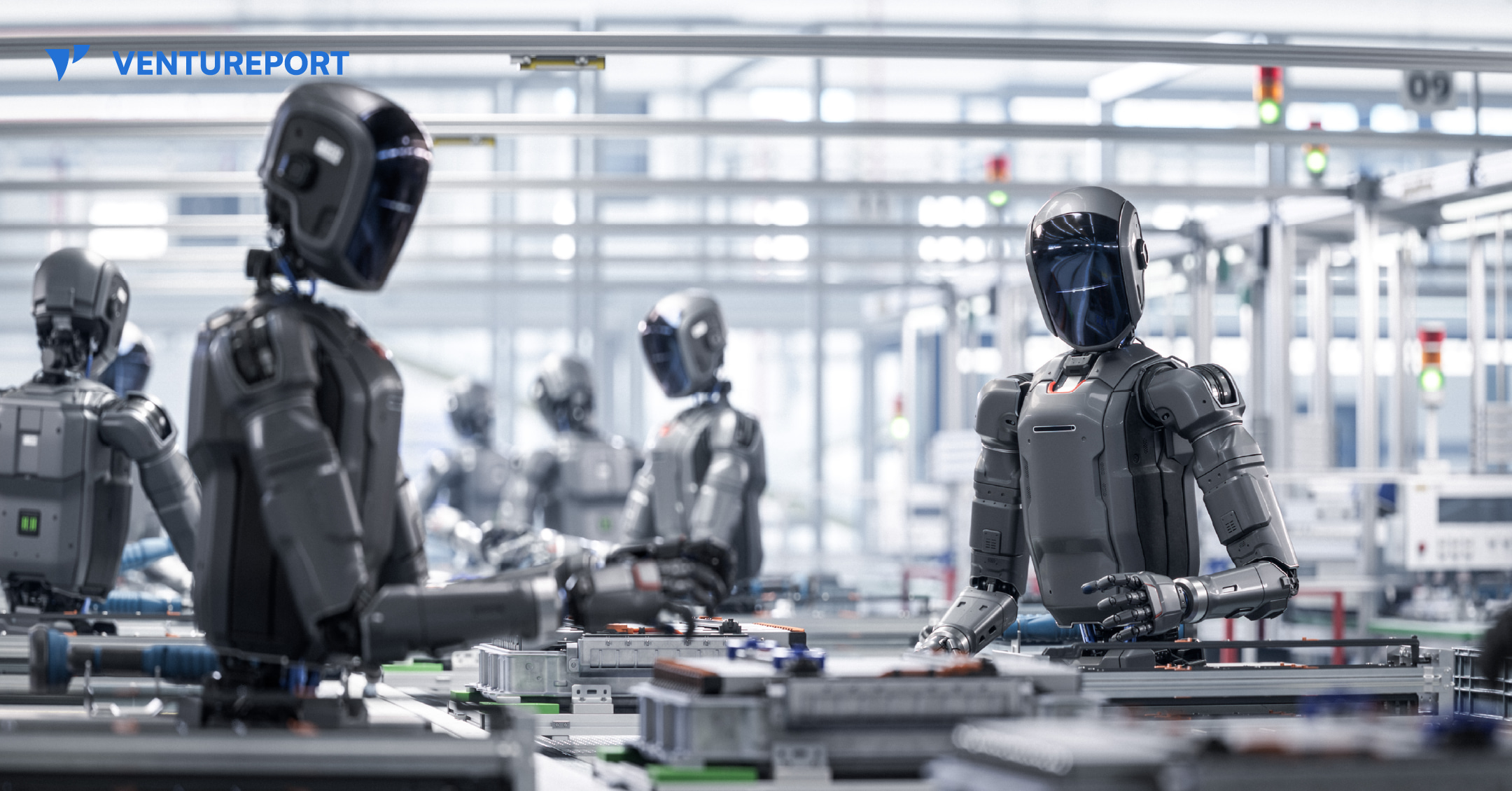
3D render of humanoid robots working in a factory assembly line. PHOTO: ADOBE STOCK
Oversonic Robotics, an Italian company known for building cognitive humanoid robots, has signed an agreement with STMicroelectronics, one of the world’s largest semiconductor manufacturers, to deploy humanoid robots inside semiconductor plants.
According to the companies, this is the first time cognitive humanoid robots will be used operationally inside semiconductor manufacturing facilities. And the first deployment has already taken place at ST’s advanced packaging and test plant in Malta.
At the center of the collaboration is RoBee, Oversonic’s humanoid robot. RoBee is designed to carry out support tasks within industrial environments, particularly where flexibility and interaction with human workers are required. In ST’s factories, the robots will assist with complex manufacturing and logistics flows linked to new semiconductor products. They are intended to work alongside existing automation systems, not replace them.
RoBee is notable for its ability to operate in environments shared with people. It is currently the only humanoid robot certified for use in both industrial and healthcare settings and is already in operation within several Italian companies. The robot is also being used in experimental hospital programs. That background helped position RoBee for deployment in tightly controlled manufacturing environments such as semiconductor plants.
Fabio Puglia, President of Oversonic Robotics, described the agreement as a milestone for deploying humanoid robots in complex industrial settings: “The partnership with STMicroelectronics is a great source of pride for us because it embodies the vision of cognitive robotics that Oversonic has brought to the industrial and healthcare markets. Being the first to introduce cognitive humanoid robots in a sophisticated production context such as semiconductors means measuring ourselves against the highest standards in terms of reliability, safety and operational continuity. This agreement represents a fundamental milestone for Oversonic and, more generally, for the industrial challenges these new machines are called to face in innovative and highly complex environments, alongside people and supporting their quality of work”.
From STMicroelectronics’ side, the use of humanoid robots is framed as part of a broader effort to manage growing manufacturing complexity. he company said RoBee will support complex tasks and help manage the intricate production flows required by newer semiconductor products. It is also expected to contribute to improved product quality and shorter manufacturing cycle times. The robots are designed to integrate with existing automation and software systems, helping improve safety and operational continuity.
In semiconductor manufacturing, precision and reliability leave little room for experimentation. Therefore, introducing humanoid robots into this environment signals a practical shift. It shows how robotics is starting to fill gaps that traditional automation has struggled to address.