
How the high-profile trial of the music mogul offers lessons for entrepreneurs on accountability, ethics, and leadership.
Updated
January 8, 2026 6:35 PM
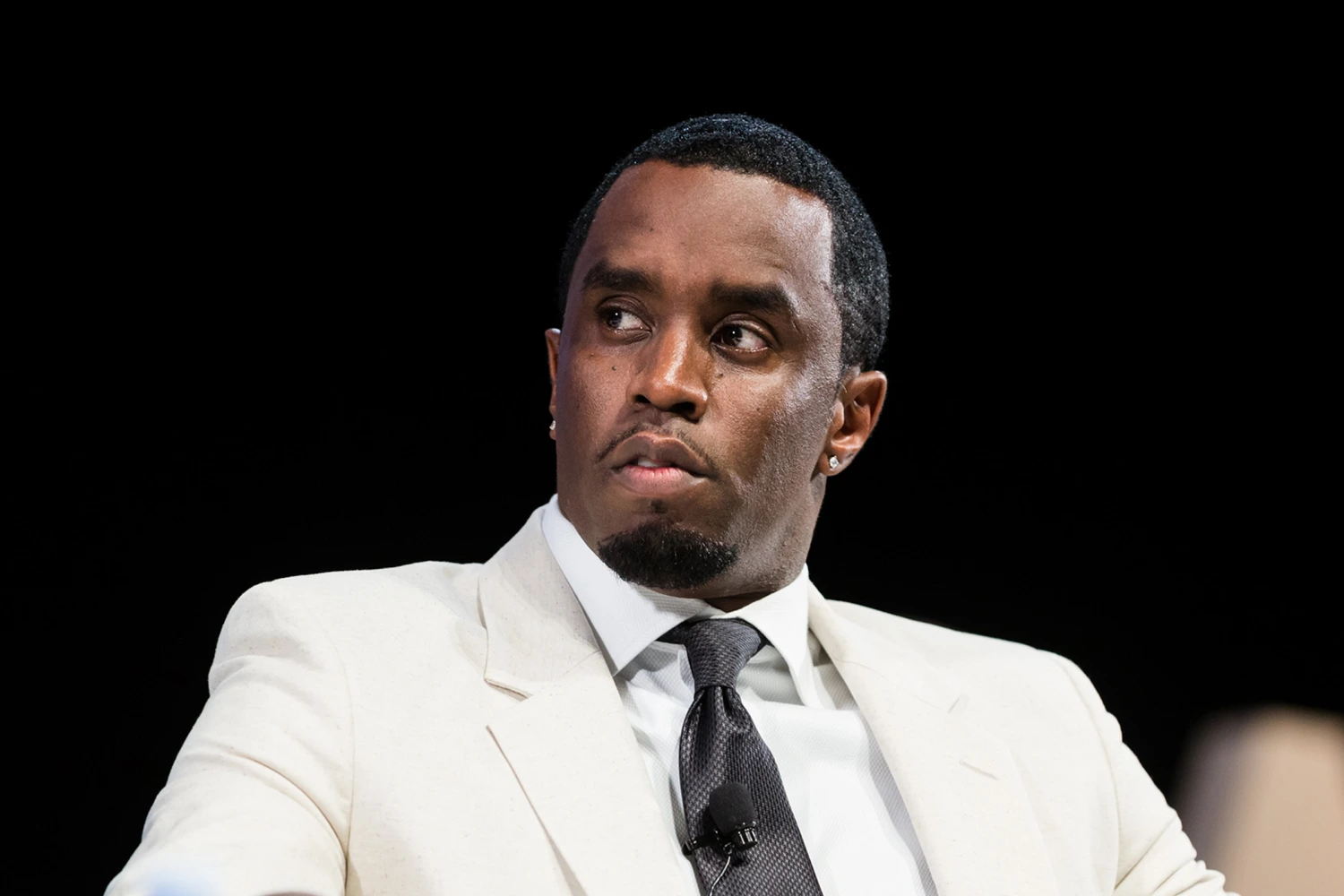
Sean "DIddy" Combs. PHOTO: NPC NEWS
Sean “Diddy” Combs—hip-hop icon, entrepreneur, and cultural force—has built a career on his larger-than-life persona, business acumen, and ability to dominate industries ranging from music to fashion to spirits. But his recent trial, which involves explosive allegations of racketeering, sex trafficking, and transportation to engage in prostitution, has cast a shadow over his legacy.
The federal trial, which began after his arrest in September 2024, has revealed shocking claims, including coercion, manipulation, and the abuse of power in both personal and professional settings. While Combs has pleaded not guilty to all charges, the case offers valuable lessons for small business owners about leadership, ethics, and the responsibility that comes with power.
Here’s what entrepreneurs can learn from the allegations and fallout surrounding Diddy’s trial.
Diddy has been accused of creating a toxic environment that involved coercion, manipulation, and abuse of power—both in his personal relationships and his professional dealings. The trial has highlighted allegations of “freak-offs,” elaborate sexual encounters with escorts that were reportedly coerced, as well as threats of financial and reputational harm to control others.
In business, leaders hold significant power over employees, partners, and collaborators. whether through coercion, intimidation, or favoritism—can lead to toxic environments and long-term damage to the organization.
The case has shown how Diddy’s alleged actions went unchecked for years, with accusations of violence, threats, and even financial control over his accusers. Testimonies from former employees and partners reveal a pattern of behavior that created a culture of fear and silence around him.
For small business owners, this is a reminder that accountability begins with leadership. If you fail to hold yourself and others accountable, you risk fostering an environment where misconduct is ignored or accepted.
A recurring theme in the trial is how Combs’ personal actions—both alleged and confirmed—have affected his professional reputation. From footage of him physically assaulting Cassie in a hotel hallway to allegations of coercion during drug-fueled parties, the courtroom revelations have tarnished his public image and cast a shadow over his brand.
For small business owners, this reinforces an important truth: your personal behavior can have far-reaching consequences for your business. Customers, employees, and partners often associate the values and reputation of a business with its leader.
The case has also highlighted the dangers of power imbalances. Testimonies from accusers like Cassie allege that Diddy used financial control—such as threatening to withhold rent payments—to coerce others into complying with his demands.
In a small business setting, power dynamics are also present, particularly between employers and employees or business owners and partners. Misusing that power, even unintentionally, can lead to resentment, distrust, and legal challenges.
The allegations against Diddy span more than a decade, with claims of abuse dating back decades. Had there been systems in place to address grievances or hold him accountable earlier, the damage to his brand—and to the individuals involved—might have been mitigated.
For small businesses, neglecting proactive measures to address workplace issues can lead to larger crises later. Waiting until problems escalate is not only costly but can also permanently harm your business’s reputation.
The Sean “Diddy” Combs trial is a cautionary tale about the consequences of unchecked power, unethical behavior, and a lack of accountability. For small business owners, it underscores the importance of leadership that prioritizes transparency, fairness, and integrity.
Running a business isn’t just about profits—it’s about creating a legacy founded on trust and respect. By learning from the mistakes and controversies of others, entrepreneurs can build companies that inspire loyalty, foster positive relationships, and stand the test of time.
Keep Reading
A look at how motivation, not metrics, is becoming the real frontier in fitness tech
Updated
February 7, 2026 2:18 PM

A group of people running together. PHOTO: FREEPIK
Most running apps focus on measurement. Distance, pace, heart rate, badges. They record activity well, but struggle to help users maintain consistency over time. As a result, many people track diligently at first, then gradually disengage.
That drop-off has pushed developers to rethink what fitness technology is actually for. Instead of just documenting activity, some platforms are now trying to influence behaviour itself. Paceful, an AI-powered running platform developed by SportsTech startup xCREW, is part of that shift — not by adding more metrics, but by focusing on how people stay consistent. The platform is built on a simple behavioural insight: most people don’t stop exercising because they don’t care about health. They stop because routines are fragile. Miss a few days and the habit collapses. Technology that focuses only on performance metrics doesn’t solve that. Systems that reinforce consistency, belonging and feedback loops might.
Instead of treating running as a solo, data-driven task, Paceful is built around two ideas: behavioural incentives and social alignment. The system turns real-world running activity into tangible rewards and it uses AI to connect runners to people, clubs and challenges that fit how and where they actually run.
At the technical level, Paceful connects with existing fitness ecosystems. Users can import workout data from platforms like Apple Health and Strava rather than starting from scratch. Once inside the system, AI models analyse pace, frequency, location and participation patterns. That data is used to recommend running partners, clubs and group challenges that match each runner’s habits and context.
What makes this approach different is not the tracking itself, but what the platform does with the data it collects. Running distance and consistency become inputs for a reward system that offers physical-world incentives, such as gear, race entries or gift cards. The idea is to link effort to something concrete, rather than abstract. The company also built the system around community logic rather than individual competition. Even solo runners are placed into challenge formats designed to simulate the motivation of a group. In practice, that means users feel part of a shared structure even when running alone.
During a six-month beta phase in the US, xCREW tested Paceful with more than 4,000 running clubs and around 50,000 runners. According to the company, users increased their running frequency significantly and weekly retention remained unusually high for a fitness platform. One beta tester summed it up this way: “Strava just logs records, but Paceful rewards you for every run, which is a completely different motivation”.
The company has raised seed funding and plans to expand the platform beyond running, walking, trekking, cycling and swimming. Instead of asking how accurately technology can measure the body, platforms like Paceful are asking a different question: how technology might influence everyday behaviour. Not by adding more data, but by shaping the conditions around effort, feedback and social connection.
As AI becomes more common in consumer products, its real impact may depend less on how advanced the models are and more on what they are applied to. In this case, the focus isn’t speed or performance — it’s consistency. And whether systems like this can meaningfully support it over time.