
How the high-profile trial of the music mogul offers lessons for entrepreneurs on accountability, ethics, and leadership.
Updated
January 8, 2026 6:35 PM
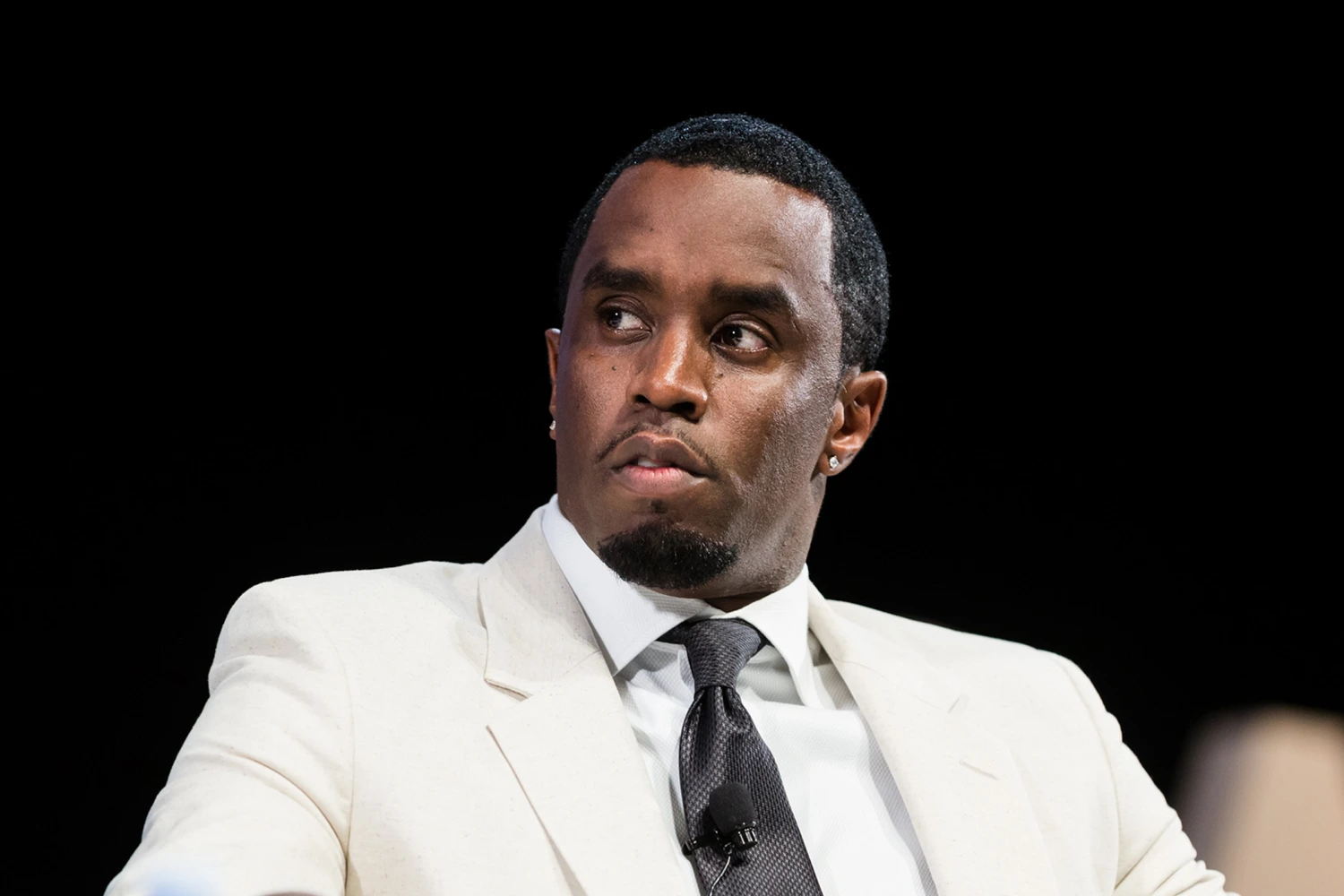
Sean "DIddy" Combs. PHOTO: NPC NEWS
Sean “Diddy” Combs—hip-hop icon, entrepreneur, and cultural force—has built a career on his larger-than-life persona, business acumen, and ability to dominate industries ranging from music to fashion to spirits. But his recent trial, which involves explosive allegations of racketeering, sex trafficking, and transportation to engage in prostitution, has cast a shadow over his legacy.
The federal trial, which began after his arrest in September 2024, has revealed shocking claims, including coercion, manipulation, and the abuse of power in both personal and professional settings. While Combs has pleaded not guilty to all charges, the case offers valuable lessons for small business owners about leadership, ethics, and the responsibility that comes with power.
Here’s what entrepreneurs can learn from the allegations and fallout surrounding Diddy’s trial.
Diddy has been accused of creating a toxic environment that involved coercion, manipulation, and abuse of power—both in his personal relationships and his professional dealings. The trial has highlighted allegations of “freak-offs,” elaborate sexual encounters with escorts that were reportedly coerced, as well as threats of financial and reputational harm to control others.
In business, leaders hold significant power over employees, partners, and collaborators. whether through coercion, intimidation, or favoritism—can lead to toxic environments and long-term damage to the organization.
The case has shown how Diddy’s alleged actions went unchecked for years, with accusations of violence, threats, and even financial control over his accusers. Testimonies from former employees and partners reveal a pattern of behavior that created a culture of fear and silence around him.
For small business owners, this is a reminder that accountability begins with leadership. If you fail to hold yourself and others accountable, you risk fostering an environment where misconduct is ignored or accepted.
A recurring theme in the trial is how Combs’ personal actions—both alleged and confirmed—have affected his professional reputation. From footage of him physically assaulting Cassie in a hotel hallway to allegations of coercion during drug-fueled parties, the courtroom revelations have tarnished his public image and cast a shadow over his brand.
For small business owners, this reinforces an important truth: your personal behavior can have far-reaching consequences for your business. Customers, employees, and partners often associate the values and reputation of a business with its leader.
The case has also highlighted the dangers of power imbalances. Testimonies from accusers like Cassie allege that Diddy used financial control—such as threatening to withhold rent payments—to coerce others into complying with his demands.
In a small business setting, power dynamics are also present, particularly between employers and employees or business owners and partners. Misusing that power, even unintentionally, can lead to resentment, distrust, and legal challenges.
The allegations against Diddy span more than a decade, with claims of abuse dating back decades. Had there been systems in place to address grievances or hold him accountable earlier, the damage to his brand—and to the individuals involved—might have been mitigated.
For small businesses, neglecting proactive measures to address workplace issues can lead to larger crises later. Waiting until problems escalate is not only costly but can also permanently harm your business’s reputation.
The Sean “Diddy” Combs trial is a cautionary tale about the consequences of unchecked power, unethical behavior, and a lack of accountability. For small business owners, it underscores the importance of leadership that prioritizes transparency, fairness, and integrity.
Running a business isn’t just about profits—it’s about creating a legacy founded on trust and respect. By learning from the mistakes and controversies of others, entrepreneurs can build companies that inspire loyalty, foster positive relationships, and stand the test of time.
Keep Reading
With Phia’s AI, the new luxury is knowing what’s worth buying
Updated
February 10, 2026 12:56 PM

Phoebe Gates and Sophia Kianni, founders of Phia. PHOTO: PHIA
AI has transformed how we shop—predicting trends, powering virtual try-ons and streamlining fashion logistics. Yet some of the biggest pain points remain: endless scrolling, too many tabs and never knowing if you’ve overpaid. That’s the gap Phia aims to close.
Co-founded by Phoebe Gates, daughter of Bill Gates, and climate activist Sophia Kianni, Phia was born in a Stanford dorm room and launched in April 2025. The app, available on mobile and as a browser extension, compares prices across over 40,000 retailers and thrift platforms to show what an item really costs. Its hallmark feature, “Should I Buy This?”, instantly flags whether something is overpriced, fair or a genuine deal.
The mission is simple: make shopping smarter, fairer and more sustainable. In just five months, Phia has attracted more than 500,000 users, indexed billions of products and built over 5,000 brand partnerships. It also secured a US$8 million seed round led by Kleiner Perkins, joined by Hailey Bieber, Kris Jenner, Sara Blakely and Sheryl Sandberg—investors who bridge tech, retail and culture. “Phia is redefining how people make purchase decisions,” said Annie Case, partner at Kleiner Perkins.
Phia’s AI engine scans real-time data from more than 250 million products across its network, including Vestiaire Collective, StockX, eBay and Poshmark. Beyond comparing prices, the app helps users discover cheaper or more sustainable options by displaying pre-owned items next to new ones—helping users see the full spectrum of choices before they buy. It also evaluates how different brands perform over time, analysing how well their products hold resale value. This insight helps shoppers judge whether a purchase is likely to last in value or if opting for a second-hand version makes more sense. The result is a platform that naturally encourages circular shopping—keeping items in use longer through resale, repair or recycling—and resonates strongly with Gen Z and millennial values of sustainability and mindful spending.
By encouraging transparency and smarter choices, Phia signals a broader shift in consumer technology: one where AI doesn’t just automate decisions but empowers users to understand them. Instead of merely digitizing the act of shopping, Phia embodies data-driven accountability—using intelligent search to help consumers make informed and ethical choices in markets long clouded by complexity. Retail analysts believe this level of visibility could push brands to maintain accurate and competitive pricing. Skeptics, however, argue that Phia must evolve beyond comparison to create emotional connection and loyalty. Still, one fact stands out: algorithms are no longer just recommending what we buy—they’re rewriting how we decide.
With new funding powering GPU expansion and advanced personalization tools, Phia’s next step is to build a true AI shopping agent—one that helps people buy better, live smarter and rethink what it means to shop with purpose.