
How ECOPEACE uses autonomous robots and data to monitor and maintain urban water bodies.
Updated
January 8, 2026 6:27 PM

A school of fish swimming among debris and waste. PHOTO: UNSPLASH
South Korea–based water technology company ECOPEACE is working on a practical challenge many cities face today: keeping urban water bodies clean as pollution and algae growth become more frequent. Rather than relying on periodic cleanup drives, the company focuses on systems that can monitor and manage water conditions on an ongoing basis.
At the core of ECOPEACE’s work are autonomous water-cleanup robots known as ECOBOT. These machines operate directly on lakes, reservoirs and rivers, removing algae and surface waste while also collecting information about water quality. The idea is to combine cleaning with constant observation so changes in water conditions do not go unnoticed.
Alongside the robots, ECOPEACE uses a filtration and treatment system designed to process polluted water continuously. This system filters out contaminants using fine metal filters and treats the water using electrical processes. It also cleans itself automatically, which allows it to run for long periods without frequent manual maintenance.
The role of AI in this setup is largely about decision-making rather than direct control. Sensors placed across the water body collect data such as pollution levels and water quality indicators. The software then analyses this data to spot early signs of issues like algae growth. Based on these patterns, the system adjusts how the robots and filtration units operate, such as changing treatment intensity or water flow. In simple terms, the technology helps the system respond sooner instead of waiting for visible problems to appear.
ECOPEACE has already deployed these systems across several reservoirs, rivers and urban waterways in South Korea. Those projects have helped refine how the robots, sensors and software work together in real environments rather than controlled test sites.
Building on that experience, the company has begun expanding beyond Korea. It is currently running pilot and proof-of-concept projects in Singapore and the United Arab Emirates. These deployments are testing how the technology performs in dense urban settings where waterways are closely linked to public health, infrastructure and daily city life.
Both regions have invested heavily in smart city initiatives and water management, making them suitable test beds for automated monitoring and cleanup systems. The pilots focus on algae control, surface cleaning and real-time tracking of water quality rather than large-scale rollout.
As cities continue to grow and climate-related pressures on water systems increase, managing waterways is becoming less about occasional intervention and more about continuous oversight. ECOPEACE’s approach reflects that shift by using automation and data to address problems early and reduce the need for reactive cleanup later.
Keep Reading
The collaboration between Oversonic Robotics and STMicroelectronics highlights how robotics is beginning to fill gaps traditional automation cannot.
Updated
January 8, 2026 6:28 PM
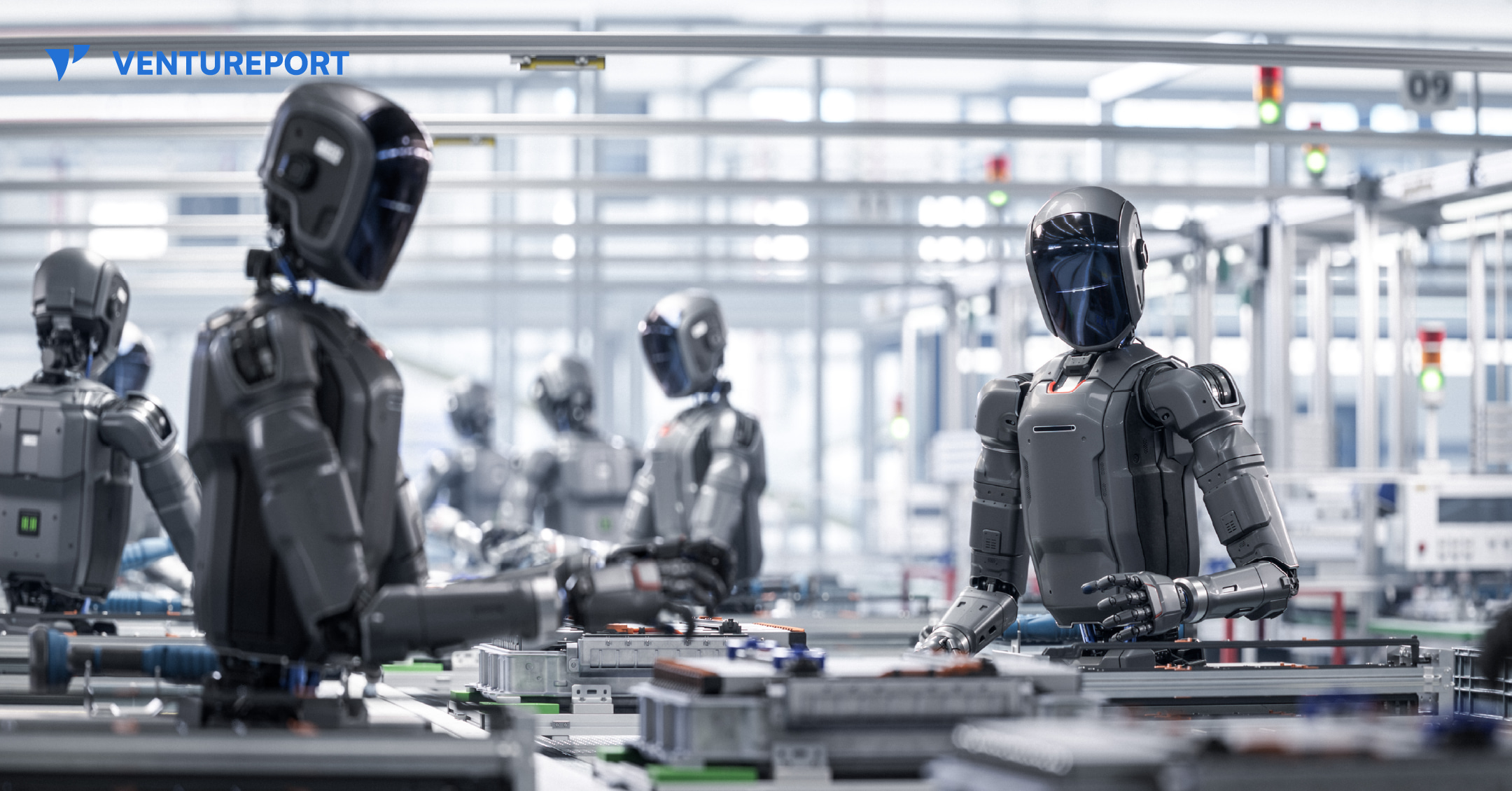
3D render of humanoid robots working in a factory assembly line. PHOTO: ADOBE STOCK
Oversonic Robotics, an Italian company known for building cognitive humanoid robots, has signed an agreement with STMicroelectronics, one of the world’s largest semiconductor manufacturers, to deploy humanoid robots inside semiconductor plants.
According to the companies, this is the first time cognitive humanoid robots will be used operationally inside semiconductor manufacturing facilities. And the first deployment has already taken place at ST’s advanced packaging and test plant in Malta.
At the center of the collaboration is RoBee, Oversonic’s humanoid robot. RoBee is designed to carry out support tasks within industrial environments, particularly where flexibility and interaction with human workers are required. In ST’s factories, the robots will assist with complex manufacturing and logistics flows linked to new semiconductor products. They are intended to work alongside existing automation systems, not replace them.
RoBee is notable for its ability to operate in environments shared with people. It is currently the only humanoid robot certified for use in both industrial and healthcare settings and is already in operation within several Italian companies. The robot is also being used in experimental hospital programs. That background helped position RoBee for deployment in tightly controlled manufacturing environments such as semiconductor plants.
Fabio Puglia, President of Oversonic Robotics, described the agreement as a milestone for deploying humanoid robots in complex industrial settings: “The partnership with STMicroelectronics is a great source of pride for us because it embodies the vision of cognitive robotics that Oversonic has brought to the industrial and healthcare markets. Being the first to introduce cognitive humanoid robots in a sophisticated production context such as semiconductors means measuring ourselves against the highest standards in terms of reliability, safety and operational continuity. This agreement represents a fundamental milestone for Oversonic and, more generally, for the industrial challenges these new machines are called to face in innovative and highly complex environments, alongside people and supporting their quality of work”.
From STMicroelectronics’ side, the use of humanoid robots is framed as part of a broader effort to manage growing manufacturing complexity. he company said RoBee will support complex tasks and help manage the intricate production flows required by newer semiconductor products. It is also expected to contribute to improved product quality and shorter manufacturing cycle times. The robots are designed to integrate with existing automation and software systems, helping improve safety and operational continuity.
In semiconductor manufacturing, precision and reliability leave little room for experimentation. Therefore, introducing humanoid robots into this environment signals a practical shift. It shows how robotics is starting to fill gaps that traditional automation has struggled to address.