
Getting to the Moon was the first chapter. Interlune and Astrolab are working on how to operate there.
Updated
March 6, 2026 1:32 AM

Apollo 17 Astronaut's Snapshot of Taurus-Littrow Valley. PHOTO: UNSPLASH
As plans for a long-term human presence on the Moon pick up pace, the focus is shifting from landing there to working there. It is one thing to reach the surface. It is another to build roads, prepare sites and extract materials in a way that can support real activity.
That is where Interlune and Astrolab come in. Interlune is a space resources company. Astrolab builds planetary rovers. The two are now working together to mount Interlune’s lunar digging system onto Astrolab’s Flexible Logistics and Exploration (FLEX) rover. They have completed a concept study and are planning hardware testing in Houston.
The aim is straightforward: combine a rover that can move reliably across the Moon with equipment that can dig, collect and handle lunar soil. Interlune is focused on harvesting natural resources from the Moon, starting with helium-3. To do that at scale, the system cannot sit in one place. It has to move across the surface, handle dust and operate in harsh conditions. "Reliable, autonomous mobility is crucial to the Interlune harvesting system and broader lunar infrastructure development", said Rob Meyerson, co-founder and CEO of Interlune. "Astrolab's FLEX is the right vehicle for the job".
By fitting its digging and collection hardware onto FLEX, Interlune is working toward a mobile system that can gather large amounts of lunar soil and support future construction needs. Beyond helium-3, the same setup could help prepare base sites, level ground, build protective barriers and lay the groundwork for other structures. In simple terms, it is about turning a rover into a working machine for the Moon.
The partnership also connects to Interlune’s work with Vermeer Corporation to develop equipment for continuous, high-volume digging adapted to lunar conditions. Taken together, the goal is to build systems that can support both commercial and government missions — whether that means resource extraction or preparing land for future bases.
For Astrolab, the collaboration strengthens the role of FLEX as more than just a transport vehicle.
"Working with Interlune further differentiates FLEX as the rover of choice for commercial and government Moon missions", said Jaret Matthews, Astrolab founder and CEO. "Interlune's expertise in developing and testing highly specialized regolith simulant will further enhance FLEX's ability to mitigate dust and operate in extreme environments".
Testing will be centered in Houston, which is becoming an important hub for commercial space development. Astrolab was the first company to lease space at the Texas A&M University Space Institute, currently under construction at NASA’s Johnson Space Center. Interlune operates the Houston-based Interlune Research Lab, where it creates and tests simulated versions of lunar soil.
That detail matters. Moon dust is fine, abrasive and difficult to manage. Before any hardware flies, it needs to prove it can survive and function in those conditions. By testing their systems in realistic soil simulants, the companies can refine how the rover moves and how the digging system performs.
The Houston lab is partially funded by the Texas Space Commission, reflecting the growing role of regional space initiatives in supporting private companies building beyond Earth. Overall, the collaboration is not about grand promises. It is about integrating hardware, running real tests and taking practical steps toward operating on the Moon.
Keep Reading
Amid AI and tech startups, Eastseabrother proved the power of demand and trust.
Updated
January 23, 2026 10:41 AM
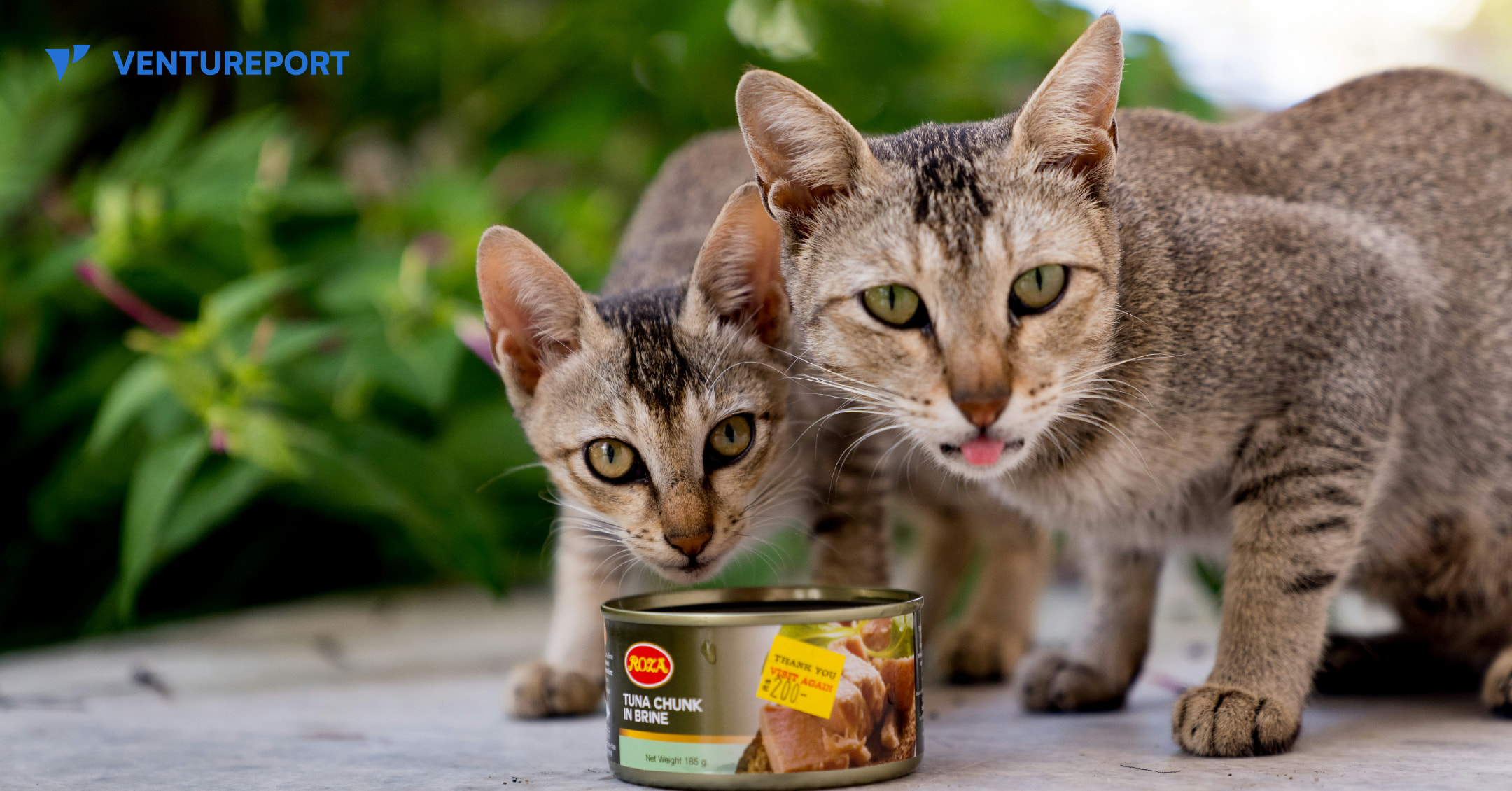
Cats having a jolly good time with a can of tuna. PHOTO: UNSPLASH
At a Silicon Valley pitch event crowded with AI, SaaS and deep-tech startups, the company that stood out was not selling software or algorithms. It was selling pet treats.
Eastseabrother, a premium pet food brand from South Korea, ranked first at a Plug and Play–hosted investor pitch competition in Sunnyvale. The product itself is simple: single-ingredient pet treats made from wild-caught seafood sourced from Korea’s East Sea. The company follows a principle it calls “Only What the Sea Allows”, working directly with regional fishermen while avoiding overfishing. With no additives and minimal processing, what sets Eastseabrother apart is not novelty, but control—over sourcing, supply chains and consistency.
That clarity helped the company walk away with both Best Product and Best Potential. “Investors asked detailed questions about repeat purchase rates and customer feedback, not just our technology or supply chain”, said Eunyul Kim, CEO of Eastseabrother. “That told us the market is shifting—real consumer trust now carries as much weight as a compelling tech narrative”.
What truly caught investors’ attention was not an ambitious vision of the future, but concrete evidence of traction today. Eastseabrother has already secured shelf space in specialty pet stores across California, New York and North Carolina, including an exclusive partnership with EarthWise Pet, a national specialty retail chain. At a consumer showcase at San Francisco’s Ferry Building, the brand recorded the highest on-site sales among all participating companies.
At its core, the pitch was built on simplicity: one ingredient, clear sourcing and a defined customer need. In a market saturated with complex products and abstract claims, that focus and transparency stood out.
The judges’ decision also reflects a broader shift in venture capital thinking. Not every successful startup is built on complex software or high-tech innovation. In categories like pet care—where trust, quality and transparency shape buying behavior—execution and credibility can matter more than technical sophistication.
Today, Eastseabrother has extended its reach beyond the U.S., expanding into Singapore and Hong Kong, with additional plans to grow further in North America as demand for premium pet food rises. And the broader takeaway from this pitch is not that consumer brands are overtaking tech startups. It is that investors are increasingly focused on fundamentals: who is buying, why they are returning and whether the business can sustain itself beyond the pitch deck.