
A wearable ring, conversational AI and US$23M in funding. Sandbar wants to rethink how we interact with technology
Updated
March 12, 2026 5:59 PM

Sandbar's Stream ring. PHOTO: SANDBAR
Sandbar, a New York–based interface startup, has raised US$23 million in Series A funding to develop a wearable device that lets people interact with artificial intelligence via voice rather than screens.
Adjacent and Kindred Ventures led the round; both venture firms focused on early-stage technology startups. The investment brings Sandbar’s total funding to us$36 million. Earlier backing included a US$10 million seed round led by True Ventures, a venture capital firm, as well as a US$3 million pre-seed round supported by Upfront Ventures, a venture firm and Betaworks, a startup studio and investment firm.
Sandbar was founded by Mina Fahmi and Kirak Hong, who previously worked together at CTRL-labs, a neural interface startup acquired by Meta in 2019. Their earlier work explored how computers could respond more directly to human intent — an idea that continues to shape Sandbar’s approach to AI interfaces.
The new funding will help the company expand its team across machine learning, interaction design and software engineering as it prepares to launch its first product. That product, called Stream, combines a wearable ring with a conversational AI interface. The system allows users to speak to an AI assistant without unlocking a phone or opening an app.
The concept is simple. Instead of typing into a screen, users press a button on the ring and talk. The system can capture notes, organize ideas, retrieve information from the web or trigger actions through connected applications.
The ring includes a microphone, a touchpad and subtle haptic feedback. These elements allow the device to respond through gentle vibrations rather than visual alerts. According to the company, the ring only listens when the user presses the button — a design meant to address common concerns around always-on microphones.
That design reflects a larger shift Sandbar believes is underway. As AI assistants become more capable, many startups are experimenting with new ways to interact with them. The focus is moving away from screens and keyboards toward interfaces that feel more natural and immediate.
Stream uses multiple AI models working together to process requests, search the web and structure information in real time. The company says users remain in control of their data and can choose whether to share information with other apps.
Sandbar is also developing a feature called Inner Voice, which responds using a voice customized to the user. The feature will debut during a closed beta planned for this spring, giving the company time to refine how the software behaves in everyday use.
The startup currently employs a team of 15 people. Many have worked on well-known consumer devices including the iPhone, Fitbit, Kindle and Vision Pro. Recent hires include Sam Bowen, formerly of Amazon and Fitbit, who joined as vice president of hardware and Brooke Travis, previously at Equinox, Dior and Gap, who now leads marketing.
Sandbar plans to begin shipping Stream in summer 2026 after completing early testing. As artificial intelligence tools become more integrated into daily life, the company is betting that the next shift in computing will not come from another app — but from new ways for people to interact with AI itself.
Keep Reading
The IT services firm strengthens its collaboration with Google Cloud to help enterprises move AI from pilot projects to production systems
Updated
February 18, 2026 8:11 PM
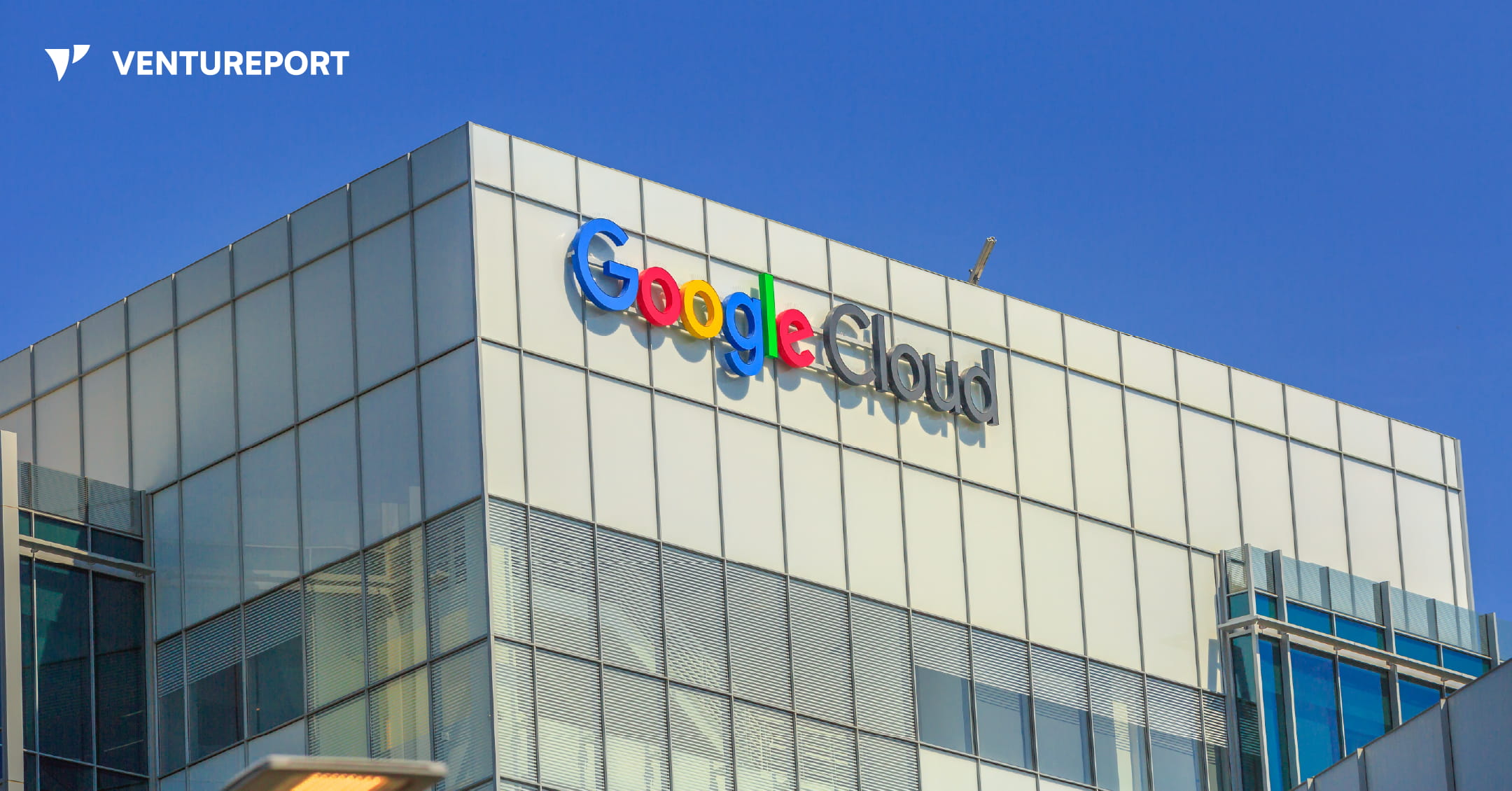
Google Cloud building. PHOTO: ADOBE STOCK
Enterprise interest in AI has moved quickly from experimentation to execution. Many organizations have tested generative tools, but turning those tools into systems that can run inside daily operations remains a separate challenge. Cognizant, an IT services firm, is expanding its partnership with Google Cloud to help enterprises move from AI pilots to fully deployed, production-ready systems.
Cognizant and Google Cloud are deepening their collaboration around Google’s Gemini Enterprise and Google Workspace. Cognizant is deploying these tools across its own workforce first, using them to support internal productivity and collaboration. The idea is simple: test and refine the systems internally, then package similar capabilities for clients.
The focus of the partnership is what Cognizant calls “agentic AI.” In practical terms, this refers to AI systems that can plan, act and complete tasks with limited human input. Instead of generating isolated outputs, these systems are designed to fit into business workflows and carry out structured tasks.
To make that workable at scale, Cognizant is building delivery infrastructure around the technology. The company is setting up a dedicated Gemini Enterprise Center of Excellence and formalizing an Agent Development Lifecycle. This framework covers the full process, from early design and blueprinting to validation and production rollout. The aim is to give enterprises a clearer path from the AI concept to a deployed system.
Cognizant also plans to introduce a bundled productivity offering that combines Gemini Enterprise with Google Workspace. The targeted use cases are operational rather than experimental. These include collaborative content creation, supplier communications and other workflow-heavy processes that can be standardized and automated.
Beyond productivity tools, Cognizant is integrating Gemini into its broader service platforms. Through Cognizant Ignition, enabled by Gemini, the company supports early-stage discovery and prototyping while helping clients strengthen their data foundations. Its Agent Foundry platform provides pre-configured and no-code capabilities for specific use cases such as AI-powered contact centers and intelligent order management. These tools are designed to reduce the amount of custom development required for each deployment.
Scaling is another element of the strategy. Cognizant, a multi-year Google Cloud Data Partner of the Year award winner, says it will rely on a global network of Gemini-trained specialists to deliver these systems. The company is also expanding work tied to Google Distributed Cloud and showcasing capabilities through its Google Experience Zones and Gen AI Studios.
For Google Cloud, the partnership reinforces its enterprise AI ecosystem. Cloud providers can offer models and infrastructure, but enterprise adoption often depends on service partners that can integrate tools into existing systems and manage ongoing operations. By aligning closely with Cognizant, Google strengthens its ability to move Gemini from platform capability to production deployment.
The announcement does not introduce a new AI model. Instead, it reflects a shift in emphasis. The core question is no longer whether AI tools exist, but how they are implemented, governed and scaled across large organizations. Cognizant’s expanded role suggests that execution frameworks, internal deployment and structured delivery models are becoming central to how enterprises approach AI.
In that sense, the partnership is less about new technology and more about operational maturity. It highlights how AI is moving from isolated pilots to managed systems embedded in business processes — a transition that will likely define the next phase of enterprise adoption.