
New funding and ad support aim to ease capital gaps for small wedding businesses
Updated
February 24, 2026 2:55 PM
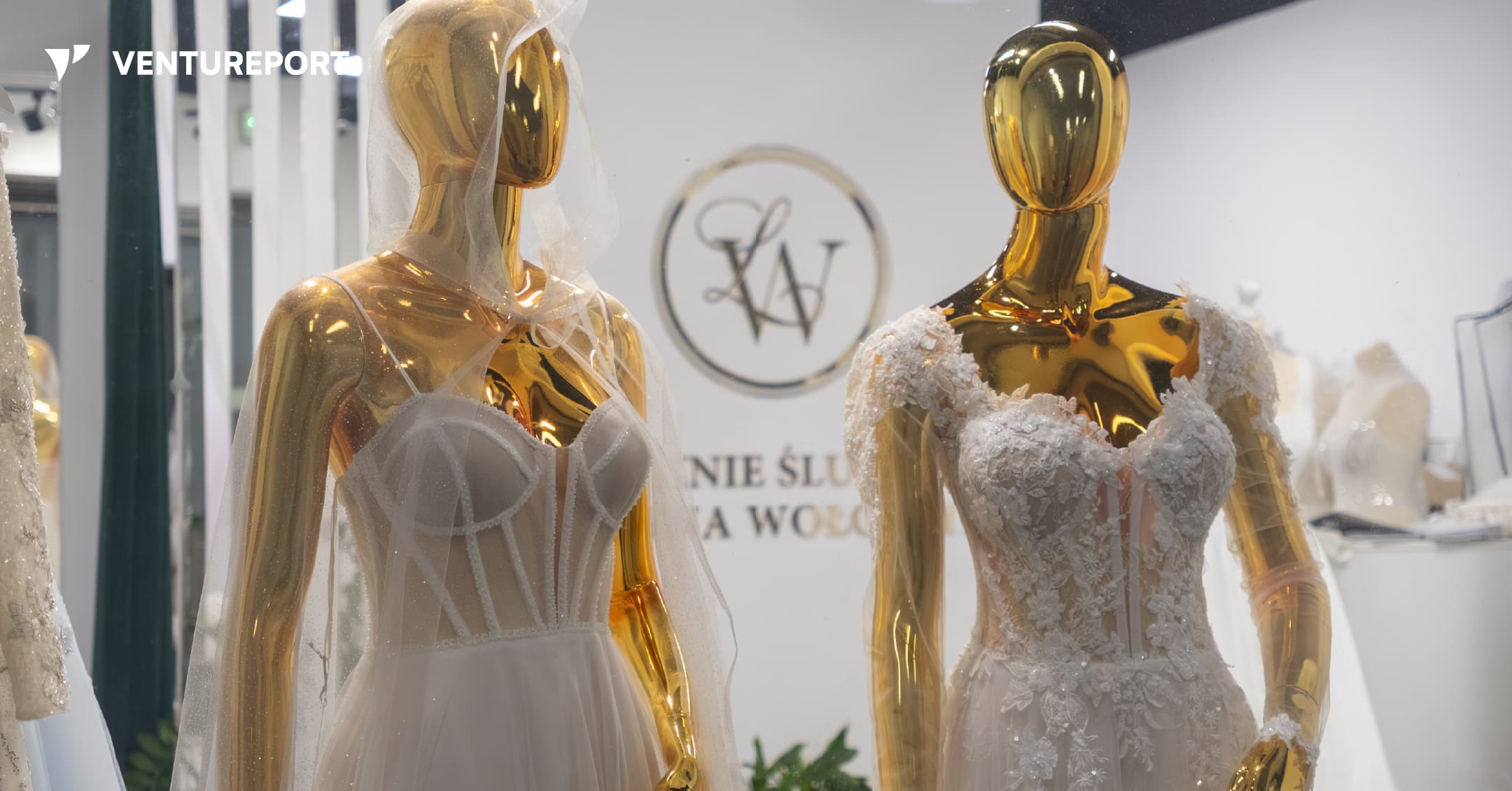
Mannequins display white wedding dresses in a bridal shop window. PHOTO: ADOBE STOCK
The Knot Worldwide, a global wedding technology platform and vendor marketplace, has launched a new grant initiative aimed at small businesses in the wedding industry.
The company, which operates brands such as The Knot and WeddingWire, connects couples with wedding professionals and provides tools to help vendors grow. It says the new WeddingPro Grant Program is designed to address a persistent challenge in the sector: access to capital.
Under the program, up to US$500,000 will be distributed to U.S.-based wedding professionals who run small businesses. The support will come in the form of financial grants, advertising credits on WeddingPro and mentorship. Selected businesses will also receive access to education resources and community support through the company’s network.
The move comes at a time when many wedding businesses remain small and resource-constrained. According to the company’s State of the Vendor Report, more than half of wedding businesses employ fewer than ten people. Three in four professionals surveyed said adaptability is critical to long-term success, while flexible funding remains a barrier. The grant program is positioned as a response to that funding gap.
“Our mission at The Knot Worldwide is to help the nearly 900,000 small businesses on our global platforms get discovered through our centralized vendor marketplace as well as give them the tools and resources to grow their business,” said Raina Moskowitz, Chief Executive Officer, The Knot Worldwide. “We consistently hear from our wedding professionals that access to capital is a barrier to getting started in the industry. With our new WeddingPro Grant Program, we will provide access to both capital and critical support services such as mentorship and education that will enable small business owners to further grow and scale.”
The application window opens on February 23 and closes on March 27. Winners are expected to be notified by May 2026, subject to eligibility verification and compliance with the official rules.
The program is open to U.S. wedding professionals who operate small businesses, have been in business for at least six months, can demonstrate an active revenue stream and earn at least 50% of their revenue from weddings. Applicants must submit a short form and a video outlining their business and how they would use the grant funds over the next 12 to 24 months. They can choose whether they prefer a monetary grant or free advertising support on WeddingPro.
To execute the program, The Knot Worldwide has partnered with the Global Entrepreneurship Network, which works with entrepreneurs worldwide. The company says the initiative builds on earlier efforts to support vendors on its platform, which includes about 200,000 wedding professionals in the United States. Its impact will depend on how effectively the support reaches the businesses that need it most. The real measure will be whether it helps them achieve steady, sustainable growth.
Keep Reading
CES 2026 and the move toward wearable robots you don’t wear all day.
Updated
January 28, 2026 5:53 PM

The π6 exoskeleton from VIGX. PHOTO: VIGX
CES 2026 highlighted how robotics is taking many different forms. VIGX, a wearable robotics company, used the event to introduce the π6, a portable exoskeleton robot designed to be carried and worn only when needed. Unveiled in Las Vegas, the device reflects a broader shift at CES toward robotics that move with people rather than staying fixed in industrial or clinical settings.
Exoskeletons have existed for years, most commonly in controlled environments such as factories, rehabilitation facilities and specialised research settings. In these contexts, they have tended to be large, fixed systems intended for long sessions of supervised use rather than something a person could deploy on their own.
Against that backdrop, the π6 explores a more personal and flexible approach to assistance. Instead of treating an exoskeleton as permanent equipment, it is designed to be something users carry with them and wear only when a task or situation calls for extra support.
The π6 weighs 1.9 kilograms and folds down to a size that fits into a bag. When worn, it sits around the waist and legs, providing mechanical assistance during activities such as walking, climbing or extended movement. Rather than altering how people move, the system adds controlled rotational force at key joints to reduce physical strain over time.
According to the company, the device delivers up to 800 watts of peak power and 16 Nm of rotational force. In practical terms, this means the system is designed to help users sustain effort for longer periods, especially during physically demanding activities_ by easing the body's load rather than pushing it beyond normal limits.
The π6 is designed to support users weighing between 45 kilograms and 120 kilograms and is intended for intermittent use. This reinforces its role as a wearable companion — something taken out when needed and set aside when not — rather than a device meant to be worn continuously.
Another aspect of the system is how it responds to different environments. Using onboard sensors and processing, the exoskeleton can detect changes such as slopes or uneven ground and adjust the level of assistance accordingly. This reduces the need for manual adjustments and helps maintain a consistent walking experience across varied terrain, with software fine-tuning how assistance is applied rather than directing movement itself.
The hardware design follows a similar logic. The power belt contains a detachable battery, allowing users to remove or swap it without handling the entire system. This keeps the wearable components lighter and makes the exoskeleton easier to transport. The battery can also be used as a general power source for small electronic devices, adding a layer of practicality beyond the exoskeleton’s core function.
VIGX frames its work around accessibility rather than industrial automation. “To empower ordinary people,” said founder Bob Yu, explaining why the company chose to focus on exoskeleton robotics. “VIGX is dedicated to expanding the physical limits of humans, enabling deeper outdoor adventures, making running and cycling easier and more enjoyable and allowing people to sustain their outdoor pursuits regardless of age.”
Placed within the wider context of CES, the π6 sits alongside a growing number of portable robots and wearable systems that prioritise convenience, mobility and personal use. By reducing the physical and practical barriers to wearing an exoskeleton, VIGX is testing whether assistive robotics can move beyond niche environments and into everyday life. If that experiment succeeds, wearable robots may become less about dramatic augmentation and more about quiet support — present when needed and easy to put away when not.