
New funding and ad support aim to ease capital gaps for small wedding businesses
Updated
February 24, 2026 2:55 PM
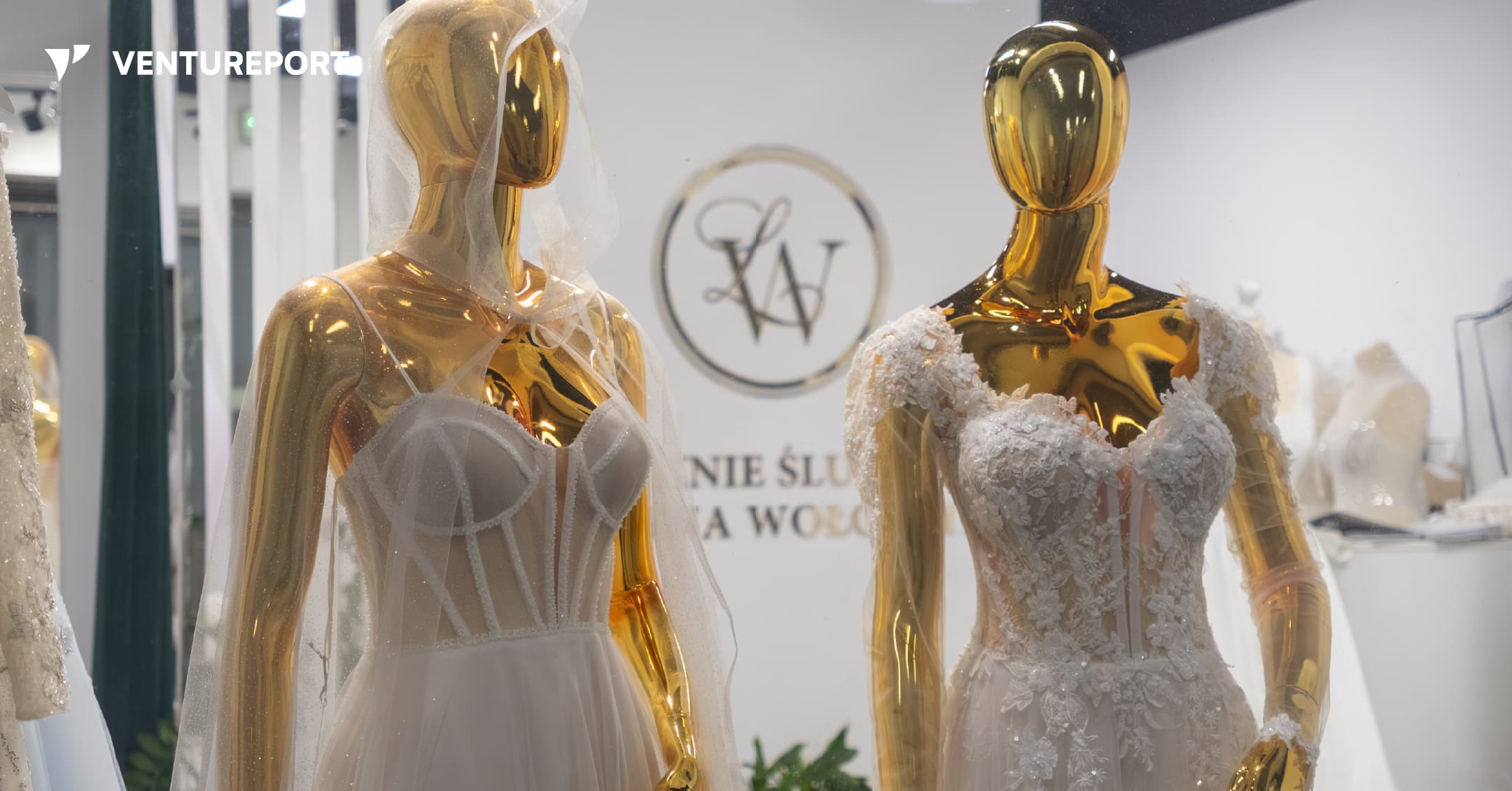
Mannequins display white wedding dresses in a bridal shop window. PHOTO: ADOBE STOCK
The Knot Worldwide, a global wedding technology platform and vendor marketplace, has launched a new grant initiative aimed at small businesses in the wedding industry.
The company, which operates brands such as The Knot and WeddingWire, connects couples with wedding professionals and provides tools to help vendors grow. It says the new WeddingPro Grant Program is designed to address a persistent challenge in the sector: access to capital.
Under the program, up to US$500,000 will be distributed to U.S.-based wedding professionals who run small businesses. The support will come in the form of financial grants, advertising credits on WeddingPro and mentorship. Selected businesses will also receive access to education resources and community support through the company’s network.
The move comes at a time when many wedding businesses remain small and resource-constrained. According to the company’s State of the Vendor Report, more than half of wedding businesses employ fewer than ten people. Three in four professionals surveyed said adaptability is critical to long-term success, while flexible funding remains a barrier. The grant program is positioned as a response to that funding gap.
“Our mission at The Knot Worldwide is to help the nearly 900,000 small businesses on our global platforms get discovered through our centralized vendor marketplace as well as give them the tools and resources to grow their business,” said Raina Moskowitz, Chief Executive Officer, The Knot Worldwide. “We consistently hear from our wedding professionals that access to capital is a barrier to getting started in the industry. With our new WeddingPro Grant Program, we will provide access to both capital and critical support services such as mentorship and education that will enable small business owners to further grow and scale.”
The application window opens on February 23 and closes on March 27. Winners are expected to be notified by May 2026, subject to eligibility verification and compliance with the official rules.
The program is open to U.S. wedding professionals who operate small businesses, have been in business for at least six months, can demonstrate an active revenue stream and earn at least 50% of their revenue from weddings. Applicants must submit a short form and a video outlining their business and how they would use the grant funds over the next 12 to 24 months. They can choose whether they prefer a monetary grant or free advertising support on WeddingPro.
To execute the program, The Knot Worldwide has partnered with the Global Entrepreneurship Network, which works with entrepreneurs worldwide. The company says the initiative builds on earlier efforts to support vendors on its platform, which includes about 200,000 wedding professionals in the United States. Its impact will depend on how effectively the support reaches the businesses that need it most. The real measure will be whether it helps them achieve steady, sustainable growth.
Keep Reading
The focus is no longer just AI-generated worlds, but how those worlds become structured digital products
Updated
February 20, 2026 6:50 PM

The inside of a pair of HTC VR goggles. PHOTO: UNSPLASH
As AI tools improve, creating 3D content is becoming faster and easier. However, building that content into interactive experiences still requires time, structure and technical work. That difference between generation and execution is where HTC VIVERSE and World Labs are focusing their new collaboration.
HTC VIVERSE is a 3D content platform developed by HTC. It provides creators with tools to build, refine and publish interactive virtual environments. Meanwhile, World Labs is an AI startup founded by researcher Fei-Fei Li and a team of machine learning specialists. The company recently introduced Marble, a tool that generates full 3D environments from simple text, image or video prompts.
While Marble can quickly create a digital world, that world on its own is not yet a finished experience. It still needs structure, navigation and interaction. This is where VIVERSE fits in. By combining Marble’s world generation with VIVERSE’s building tools, creators can move from an AI-generated scene to a usable, interactive product.
In practice, the workflow works in two steps. First, Marble produces the base 3D environment. Then, creators bring that environment into VIVERSE, where they add game mechanics, scenes and interactive elements. In this model, AI handles the early visual creation, while the human creator defines how users explore and interact with the world.
To demonstrate this process, the companies developed three example projects. Whiskerhill turns a Marble-generated world into a simple quest-based experience. Whiskerport connects multiple AI-generated scenes into a multi-level environment that users navigate through portals. Clockwork Conspiracy, built by VIVERSE, uses Marble’s generation system to create a more structured, multi-scene game. These projects are not just demos. They serve as proof that AI-generated worlds can evolve beyond static visuals and become interactive environments.
This matters because generative AI is often judged by how quickly it produces content. However, speed alone does not create usable products. Digital experiences still require sequencing, design decisions and user interaction. As a result, the real challenge is not generation, but integration — connecting AI output to tools that make it functional.
Seen in this context, the collaboration is less about a single product and more about workflow. VIVERSE provides a system that allows AI-generated environments to be edited and structured. World Labs provides the engine that creates those environments in the first place. Together, they are testing whether AI can fit directly into a full production pipeline rather than remain a standalone tool.
Ultimately, the collaboration reflects a broader change in creative technology. AI is no longer only producing isolated assets. It is beginning to plug into the larger process of building complete experiences. The key question is no longer how quickly a world can be generated, but how easily that world can be turned into something people can actually use and explore.