
Structured AI interviews and human judgment combine to address the global talent shortage
Updated
March 4, 2026 4:46 PM

ManpowerGroup World Headquarters in Milwaukee. PHOTO: ADOBE STOCK
As hiring pressures mount across global markets, ManpowerGroup is turning to technology to strengthen how it connects people to work. The workforce solutions major has announced a global partnership with Hubert, a startup focused on AI-driven structured interviews. The aim is simple: make hiring faster and fairer, without removing the human touch.
ManpowerGroup has spent decades operating at the center of the global labor market. The company works with employers across industries to fill roles, manage workforce planning and build talent pipelines. With millions of placements each year, it has a clear view of how strained hiring has become. A large share of employers today report difficulty finding skilled talent. At the same time, candidates expect more transparency, quicker feedback and flexibility in how they engage with employers.
Hubert enters this picture as a specialist in structured digital interviewing. The startup has built tools that allow candidates to complete interviews online, at any time, while being assessed against consistent criteria. Instead of relying on informal screening calls or resume filters, its system focuses on standardized questions tied directly to job requirements. The idea is to bring more consistency to early-stage hiring.
The partnership brings these capabilities into ManpowerGroup’s global operations. AI-powered interviews will now support the first stage of screening, helping recruiters identify qualified candidates earlier in the process. This does not replace recruiters. Final decisions and contextual judgment remain with experienced hiring professionals. What changes is the speed and structure of the initial assessment.
For employers, this could mean earlier visibility into job-ready talent and less time spent on manual screening. For candidates, it offers more flexibility. A significant portion of interviews on Hubert’s platform are completed outside regular office hours, allowing applicants to engage when it suits them. That flexibility can make a difference in competitive labor markets where timing matters.
The collaboration is also positioned as a step toward reducing bias. By evaluating each candidate against the same transparent standards, the process becomes more consistent. While no system can remove bias entirely, structured assessments can reduce the variability that often comes with unstructured interviews.
At its core, the partnership addresses a gap many large organizations are facing. They need scale and speed, but they cannot afford to lose the human judgment that good hiring depends on. Manual processes are too slow. Fully automated systems can feel impersonal and risky. ManpowerGroup’s approach suggests a middle path, where technology handles repetition and structure and recruiters focus on potential and fit.
The move also reflects a broader shift in the workforce industry. AI is no longer being tested on the sidelines. It is being built into the foundation of hiring operations. For established players like ManpowerGroup, the challenge is not whether to adopt AI, but how to do so responsibly and at scale.
By working with Hubert, the company is signaling that the future of recruitment will likely blend structured digital tools with human expertise. In a market defined by talent shortages and rising expectations, that balance may prove critical.
Keep Reading
Bindwell is testing a simple idea: use AI to design smarter, more targeted pesticides built for today’s farming challenges.
Updated
January 8, 2026 6:33 PM
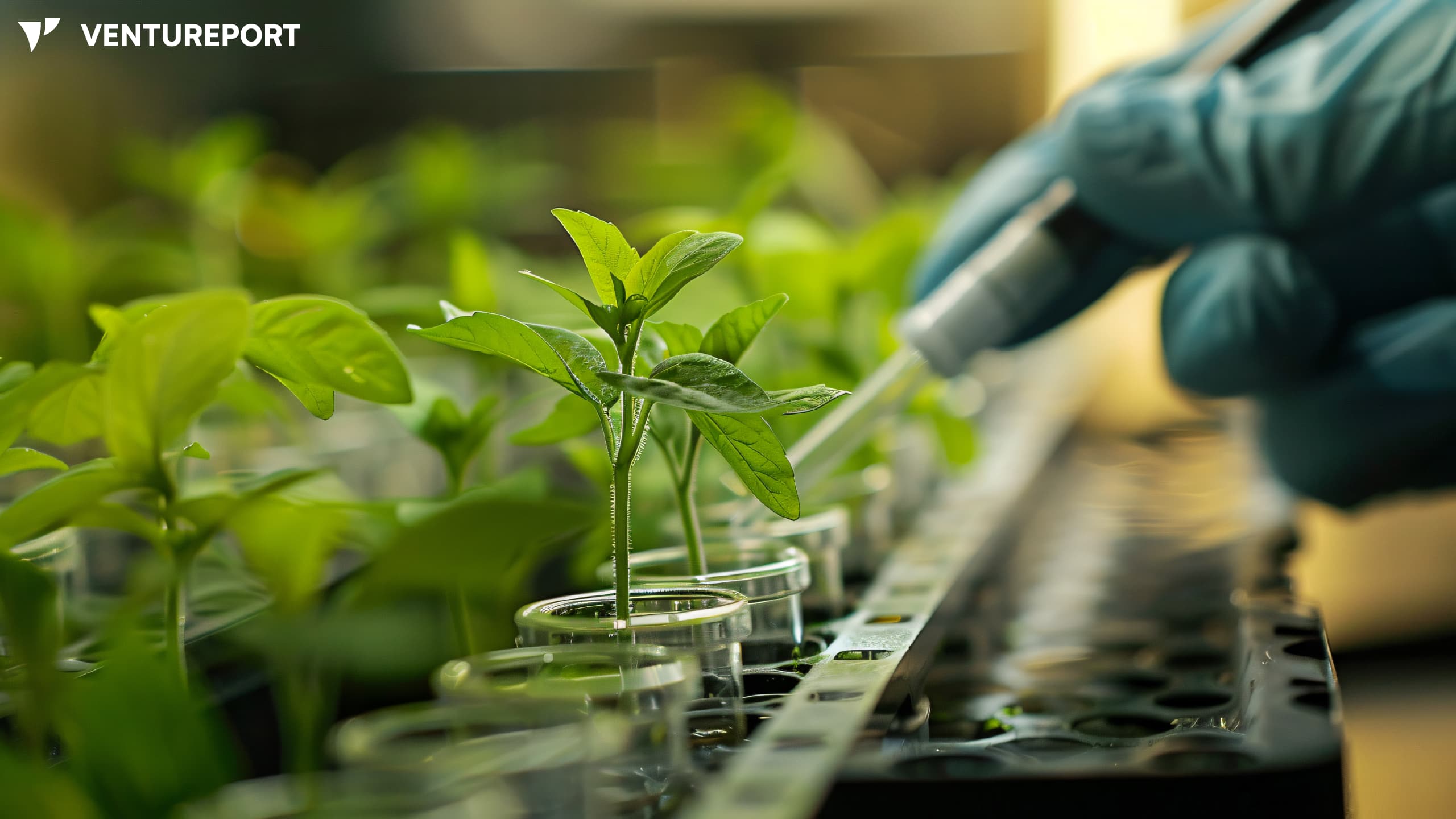
Researcher tending seedlings in a laboratory environment. PHOTO: FREEPIK
Bindwell, a San Francisco–based ag-tech startup using AI to design new pesticide molecules, has raised US$6 million in seed funding, co-led by General Catalyst and A Capital, with participation from SV Angel and Y Combinator founder Paul Graham. The round will help the company expand its lab in San Carlos, hire more technical talent and advance its first pesticide candidates toward validation.
Even as pesticide use has doubled over the last 30 years, farmers still lose up to 40% of global crops to pests and disease. The core issue is resistance: pests are adapting faster than the industry can update its tools. As a result, farmers often rely on larger amounts of the same outdated chemicals, even as they deliver diminishing returns.
Meanwhile, innovation in the agrochemical sector has slowed, leaving the industry struggling to keep up with rapidly evolving pests. This is the gap Bindwell is targeting. Instead of updating old chemicals, the company uses AI to find completely new compounds designed for today’s pests and farming conditions.
This vision is made even more striking by the people leading it. Bindwell was founded by 18-year-old Tyler Rose and 19-year-old Navvye Anand, who met at the Wolfram Summer Research Program in 2023. Both had deep ties to agriculture — Rose in China and Anand in India — witnessing up close how pest outbreaks and chemical dependence burdened farmers.
Filling the gap in today’s pesticide pipeline, Bindwell created an AI system that can design and evaluate new molecules long before they hit the lab. It starts with Foldwell, the company’s protein-structure model, which helps map the shapes of pest proteins so scientists know where a molecule should bind. Then comes PLAPT, which can scan through every known synthesized compound in just a few hours to see which ones might actually work. For biopesticides, they use APPT, a model tuned to spot protein-to-protein interactions and shown to outperform existing tools on industry benchmarks.
Bindwell isn’t selling AI tools. Instead, the company develops the molecules itself and licenses them to major agrochemical players. Owning the full discovery process lets the team bake in safety, selectivity and environmental considerations from day one. It also allows Bindwell to plug directly into the pipelines that produce commercial pesticides — just with a fundamentally different engine powering the science.
At present, the team is now testing its first AI-generated candidates in its San Carlos lab and is in early talks with established pesticide manufacturers about potential licensing deals. For Rose and Anand, the long-term vision is simple: create pest control that works without repeating the mistakes of the last half-century. As they put it, the goal is not to escalate chemical use but to design molecules that are more precise, less harmful and resilient against resistance from the start.