
AI’s expansion into the physical world is reshaping what investors choose to back
Updated
February 12, 2026 1:21 PM

Exterior view of the Exchange Square in Central, Hong Kong. PHOTO: UNSPLASH
Artificial intelligence is often discussed in terms of large models trained in distant data centres. Less visible, but increasingly consequential, is the layer of computing that enables machines to interpret and respond to the physical world in real-time. As AI systems move from abstract software into vehicles, cameras and factory equipment, the chips that power on-device decision-making are becoming strategic assets in their own right.
It is within this shift that Axera, a Shanghai-based semiconductor company, began trading on the Hong Kong Stock Exchange on February 10 under the ticker symbol 00600.HK. The company priced its shares at HK$28.2, debuting with a market capitalization of approximately HK$16.6 billion. Its listing marks the first time a Chinese company focused primarily on AI perception and edge inference chips has gone public in the city — a milestone that underscores growing investor interest in the hardware layer of artificial intelligence.
The listing comes at a time when demand for flexible, on-device intelligence is expanding. As manufacturers, automakers and infrastructure operators integrate AI into physical systems, the need for specialized processors capable of handling visual and sensor data efficiently has grown. At the same time, China’s domestic semiconductor industry has faced increasing pressure to build local capabilities across the chip value chain. Companies such as Axera sit at the intersection of these dynamics, serving both commercial markets and broader industrial policy priorities.
For Hong Kong, the debut adds to a cohort of technology companies seeking public capital to scale hardware-intensive businesses. Unlike software firms, semiconductor designers operate in a capital-intensive environment shaped by supply chains, fabrication partnerships and rapid product cycles. Their presence on the exchange reflects a maturing investor appetite for AI infrastructure, not just consumer-facing applications.
Axera’s early backer, Qiming Venture Partners, led the company’s pre-A financing round in 2020 and continued to participate in subsequent rounds. Prior to the IPO, it held more than 6 percent of the company, making it the second-largest institutional investor. The public offering provides liquidity for early investors and new funding for a company operating in a highly competitive and technologically demanding sector.
Axera’s market debut does not resolve the competitive challenges of the semiconductor industry, where innovation cycles are short and global competition is intense. But it does signal that investors are placing tangible value on the hardware, enabling AI’s expansion beyond the cloud. In that sense, the listing represents more than a corporate milestone; it reflects a broader transition in how artificial intelligence is built, deployed and financed — moving steadily from software abstraction toward the silicon that makes real-world autonomy possible.
Keep Reading
How the high-profile trial of the music mogul offers lessons for entrepreneurs on accountability, ethics, and leadership.
Updated
January 8, 2026 6:35 PM
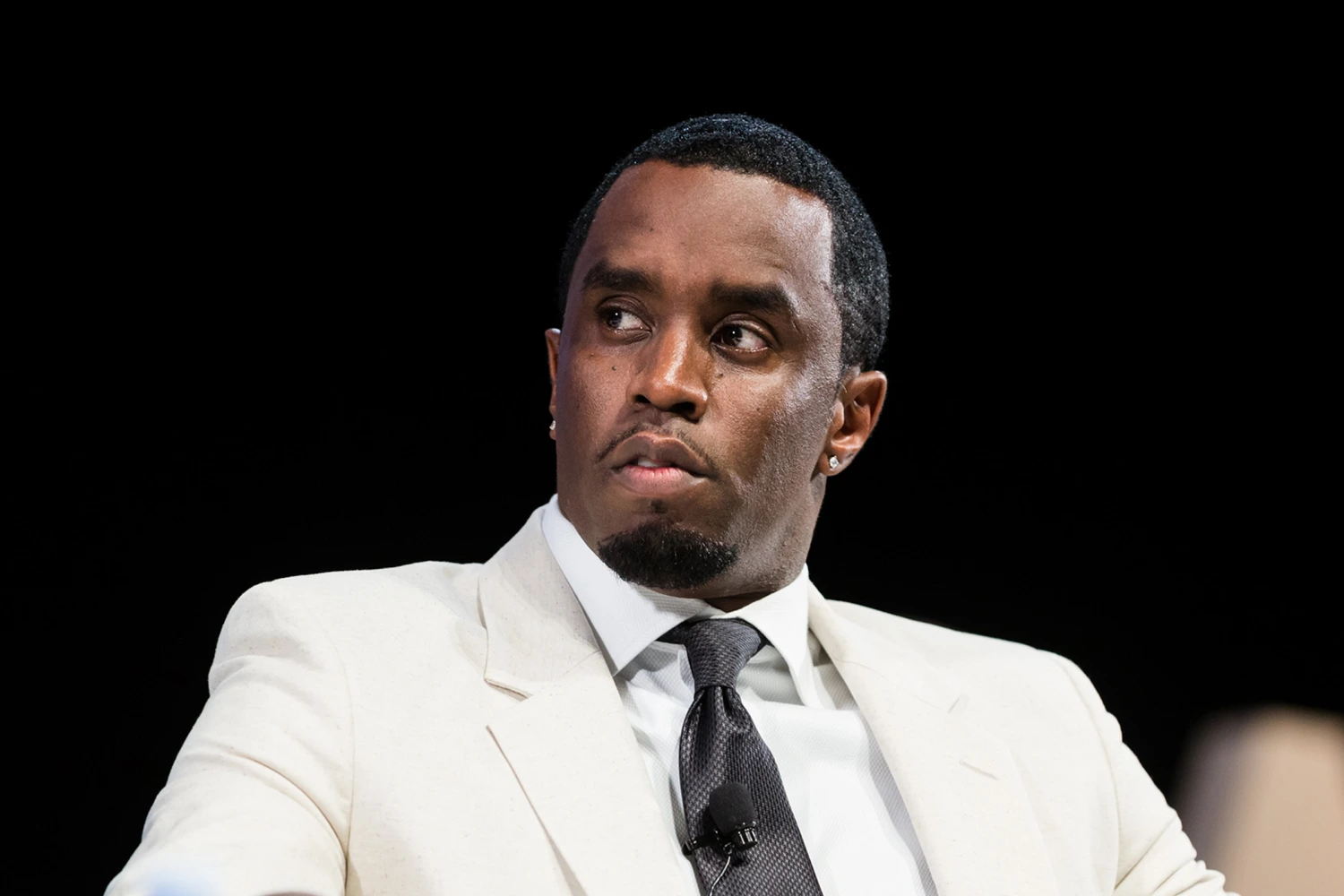
Sean "DIddy" Combs. PHOTO: NPC NEWS
Sean “Diddy” Combs—hip-hop icon, entrepreneur, and cultural force—has built a career on his larger-than-life persona, business acumen, and ability to dominate industries ranging from music to fashion to spirits. But his recent trial, which involves explosive allegations of racketeering, sex trafficking, and transportation to engage in prostitution, has cast a shadow over his legacy.
The federal trial, which began after his arrest in September 2024, has revealed shocking claims, including coercion, manipulation, and the abuse of power in both personal and professional settings. While Combs has pleaded not guilty to all charges, the case offers valuable lessons for small business owners about leadership, ethics, and the responsibility that comes with power.
Here’s what entrepreneurs can learn from the allegations and fallout surrounding Diddy’s trial.
Diddy has been accused of creating a toxic environment that involved coercion, manipulation, and abuse of power—both in his personal relationships and his professional dealings. The trial has highlighted allegations of “freak-offs,” elaborate sexual encounters with escorts that were reportedly coerced, as well as threats of financial and reputational harm to control others.
In business, leaders hold significant power over employees, partners, and collaborators. whether through coercion, intimidation, or favoritism—can lead to toxic environments and long-term damage to the organization.
The case has shown how Diddy’s alleged actions went unchecked for years, with accusations of violence, threats, and even financial control over his accusers. Testimonies from former employees and partners reveal a pattern of behavior that created a culture of fear and silence around him.
For small business owners, this is a reminder that accountability begins with leadership. If you fail to hold yourself and others accountable, you risk fostering an environment where misconduct is ignored or accepted.
A recurring theme in the trial is how Combs’ personal actions—both alleged and confirmed—have affected his professional reputation. From footage of him physically assaulting Cassie in a hotel hallway to allegations of coercion during drug-fueled parties, the courtroom revelations have tarnished his public image and cast a shadow over his brand.
For small business owners, this reinforces an important truth: your personal behavior can have far-reaching consequences for your business. Customers, employees, and partners often associate the values and reputation of a business with its leader.
The case has also highlighted the dangers of power imbalances. Testimonies from accusers like Cassie allege that Diddy used financial control—such as threatening to withhold rent payments—to coerce others into complying with his demands.
In a small business setting, power dynamics are also present, particularly between employers and employees or business owners and partners. Misusing that power, even unintentionally, can lead to resentment, distrust, and legal challenges.
The allegations against Diddy span more than a decade, with claims of abuse dating back decades. Had there been systems in place to address grievances or hold him accountable earlier, the damage to his brand—and to the individuals involved—might have been mitigated.
For small businesses, neglecting proactive measures to address workplace issues can lead to larger crises later. Waiting until problems escalate is not only costly but can also permanently harm your business’s reputation.
The Sean “Diddy” Combs trial is a cautionary tale about the consequences of unchecked power, unethical behavior, and a lack of accountability. For small business owners, it underscores the importance of leadership that prioritizes transparency, fairness, and integrity.
Running a business isn’t just about profits—it’s about creating a legacy founded on trust and respect. By learning from the mistakes and controversies of others, entrepreneurs can build companies that inspire loyalty, foster positive relationships, and stand the test of time.