
AI’s expansion into the physical world is reshaping what investors choose to back
Updated
March 17, 2026 1:02 AM

Exterior view of the Exchange Square in Central, Hong Kong. PHOTO: UNSPLASH
Artificial intelligence is often discussed in terms of large models trained in distant data centres. Less visible, but increasingly consequential, is the layer of computing that enables machines to interpret and respond to the physical world in real-time. As AI systems move from abstract software into vehicles, cameras and factory equipment, the chips that power on-device decision-making are becoming strategic assets in their own right.
It is within this shift that Axera, a Shanghai-based semiconductor company, began trading on the Hong Kong Stock Exchange on February 10 under the ticker symbol 00600.HK. The company priced its shares at HK$28.2, debuting with a market capitalization of approximately HK$16.6 billion. Its listing marks the first time a Chinese company focused primarily on AI perception and edge inference chips has gone public in the city — a milestone that underscores growing investor interest in the hardware layer of artificial intelligence.
The listing comes at a time when demand for flexible, on-device intelligence is expanding. As manufacturers, automakers and infrastructure operators integrate AI into physical systems, the need for specialized processors capable of handling visual and sensor data efficiently has grown. At the same time, China’s domestic semiconductor industry has faced increasing pressure to build local capabilities across the chip value chain. Companies such as Axera sit at the intersection of these dynamics, serving both commercial markets and broader industrial policy priorities.
For Hong Kong, the debut adds to a cohort of technology companies seeking public capital to scale hardware-intensive businesses. Unlike software firms, semiconductor designers operate in a capital-intensive environment shaped by supply chains, fabrication partnerships and rapid product cycles. Their presence on the exchange reflects a maturing investor appetite for AI infrastructure, not just consumer-facing applications.
Axera’s early backer, Qiming Venture Partners, led the company’s pre-A financing round in 2020 and continued to participate in subsequent rounds. Prior to the IPO, it held more than 6 percent of the company, making it the second-largest institutional investor. The public offering provides liquidity for early investors and new funding for a company operating in a highly competitive and technologically demanding sector.
Axera’s market debut does not resolve the competitive challenges of the semiconductor industry, where innovation cycles are short and global competition is intense. But it does signal that investors are placing tangible value on the hardware, enabling AI’s expansion beyond the cloud. In that sense, the listing represents more than a corporate milestone; it reflects a broader transition in how artificial intelligence is built, deployed and financed — moving steadily from software abstraction toward the silicon that makes real-world autonomy possible.
Keep Reading
New funding and ad support aim to ease capital gaps for small wedding businesses
Updated
March 17, 2026 1:01 AM
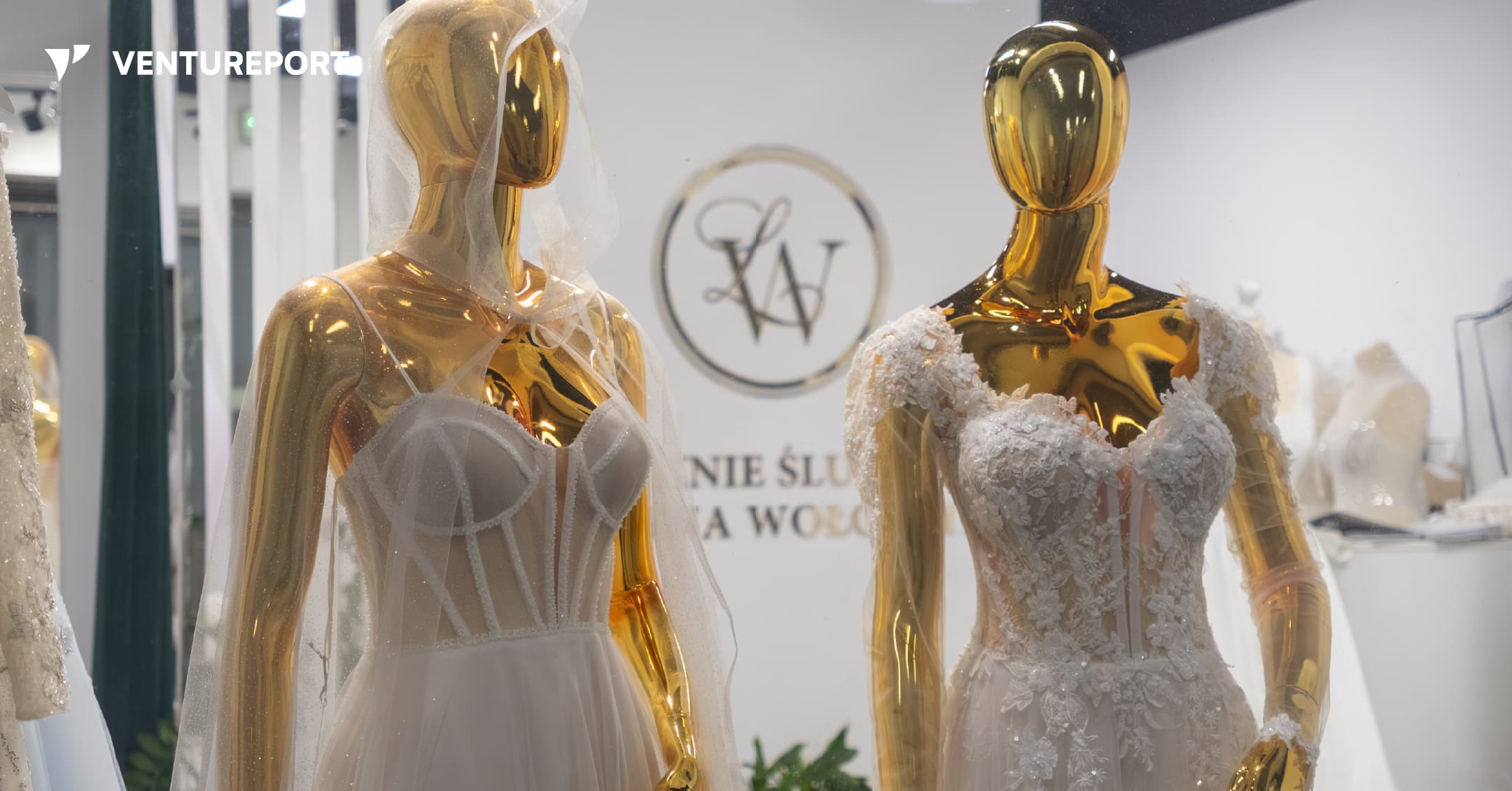
Mannequins display white wedding dresses in a bridal shop window. PHOTO: ADOBE STOCK
The Knot Worldwide, a global wedding technology platform and vendor marketplace, has launched a new grant initiative aimed at small businesses in the wedding industry.
The company, which operates brands such as The Knot and WeddingWire, connects couples with wedding professionals and provides tools to help vendors grow. It says the new WeddingPro Grant Program is designed to address a persistent challenge in the sector: access to capital.
Under the program, up to US$500,000 will be distributed to U.S.-based wedding professionals who run small businesses. The support will come in the form of financial grants, advertising credits on WeddingPro and mentorship. Selected businesses will also receive access to education resources and community support through the company’s network.
The move comes at a time when many wedding businesses remain small and resource-constrained. According to the company’s State of the Vendor Report, more than half of wedding businesses employ fewer than ten people. Three in four professionals surveyed said adaptability is critical to long-term success, while flexible funding remains a barrier. The grant program is positioned as a response to that funding gap.
“Our mission at The Knot Worldwide is to help the nearly 900,000 small businesses on our global platforms get discovered through our centralized vendor marketplace as well as give them the tools and resources to grow their business,” said Raina Moskowitz, Chief Executive Officer, The Knot Worldwide. “We consistently hear from our wedding professionals that access to capital is a barrier to getting started in the industry. With our new WeddingPro Grant Program, we will provide access to both capital and critical support services such as mentorship and education that will enable small business owners to further grow and scale.”
The application window opens on February 23 and closes on March 27. Winners are expected to be notified by May 2026, subject to eligibility verification and compliance with the official rules.
The program is open to U.S. wedding professionals who operate small businesses, have been in business for at least six months, can demonstrate an active revenue stream and earn at least 50% of their revenue from weddings. Applicants must submit a short form and a video outlining their business and how they would use the grant funds over the next 12 to 24 months. They can choose whether they prefer a monetary grant or free advertising support on WeddingPro.
To execute the program, The Knot Worldwide has partnered with the Global Entrepreneurship Network, which works with entrepreneurs worldwide. The company says the initiative builds on earlier efforts to support vendors on its platform, which includes about 200,000 wedding professionals in the United States. Its impact will depend on how effectively the support reaches the businesses that need it most. The real measure will be whether it helps them achieve steady, sustainable growth.