
With Phia’s AI, the new luxury is knowing what’s worth buying
Updated
February 10, 2026 12:56 PM

Phoebe Gates and Sophia Kianni, founders of Phia. PHOTO: PHIA
AI has transformed how we shop—predicting trends, powering virtual try-ons and streamlining fashion logistics. Yet some of the biggest pain points remain: endless scrolling, too many tabs and never knowing if you’ve overpaid. That’s the gap Phia aims to close.
Co-founded by Phoebe Gates, daughter of Bill Gates, and climate activist Sophia Kianni, Phia was born in a Stanford dorm room and launched in April 2025. The app, available on mobile and as a browser extension, compares prices across over 40,000 retailers and thrift platforms to show what an item really costs. Its hallmark feature, “Should I Buy This?”, instantly flags whether something is overpriced, fair or a genuine deal.
The mission is simple: make shopping smarter, fairer and more sustainable. In just five months, Phia has attracted more than 500,000 users, indexed billions of products and built over 5,000 brand partnerships. It also secured a US$8 million seed round led by Kleiner Perkins, joined by Hailey Bieber, Kris Jenner, Sara Blakely and Sheryl Sandberg—investors who bridge tech, retail and culture. “Phia is redefining how people make purchase decisions,” said Annie Case, partner at Kleiner Perkins.
Phia’s AI engine scans real-time data from more than 250 million products across its network, including Vestiaire Collective, StockX, eBay and Poshmark. Beyond comparing prices, the app helps users discover cheaper or more sustainable options by displaying pre-owned items next to new ones—helping users see the full spectrum of choices before they buy. It also evaluates how different brands perform over time, analysing how well their products hold resale value. This insight helps shoppers judge whether a purchase is likely to last in value or if opting for a second-hand version makes more sense. The result is a platform that naturally encourages circular shopping—keeping items in use longer through resale, repair or recycling—and resonates strongly with Gen Z and millennial values of sustainability and mindful spending.
By encouraging transparency and smarter choices, Phia signals a broader shift in consumer technology: one where AI doesn’t just automate decisions but empowers users to understand them. Instead of merely digitizing the act of shopping, Phia embodies data-driven accountability—using intelligent search to help consumers make informed and ethical choices in markets long clouded by complexity. Retail analysts believe this level of visibility could push brands to maintain accurate and competitive pricing. Skeptics, however, argue that Phia must evolve beyond comparison to create emotional connection and loyalty. Still, one fact stands out: algorithms are no longer just recommending what we buy—they’re rewriting how we decide.
With new funding powering GPU expansion and advanced personalization tools, Phia’s next step is to build a true AI shopping agent—one that helps people buy better, live smarter and rethink what it means to shop with purpose.
Keep Reading
As global financial landscapes shift, Noah outlines a new AI-first approach to helping families protect and grow their wealth.
Updated
January 8, 2026 6:31 PM
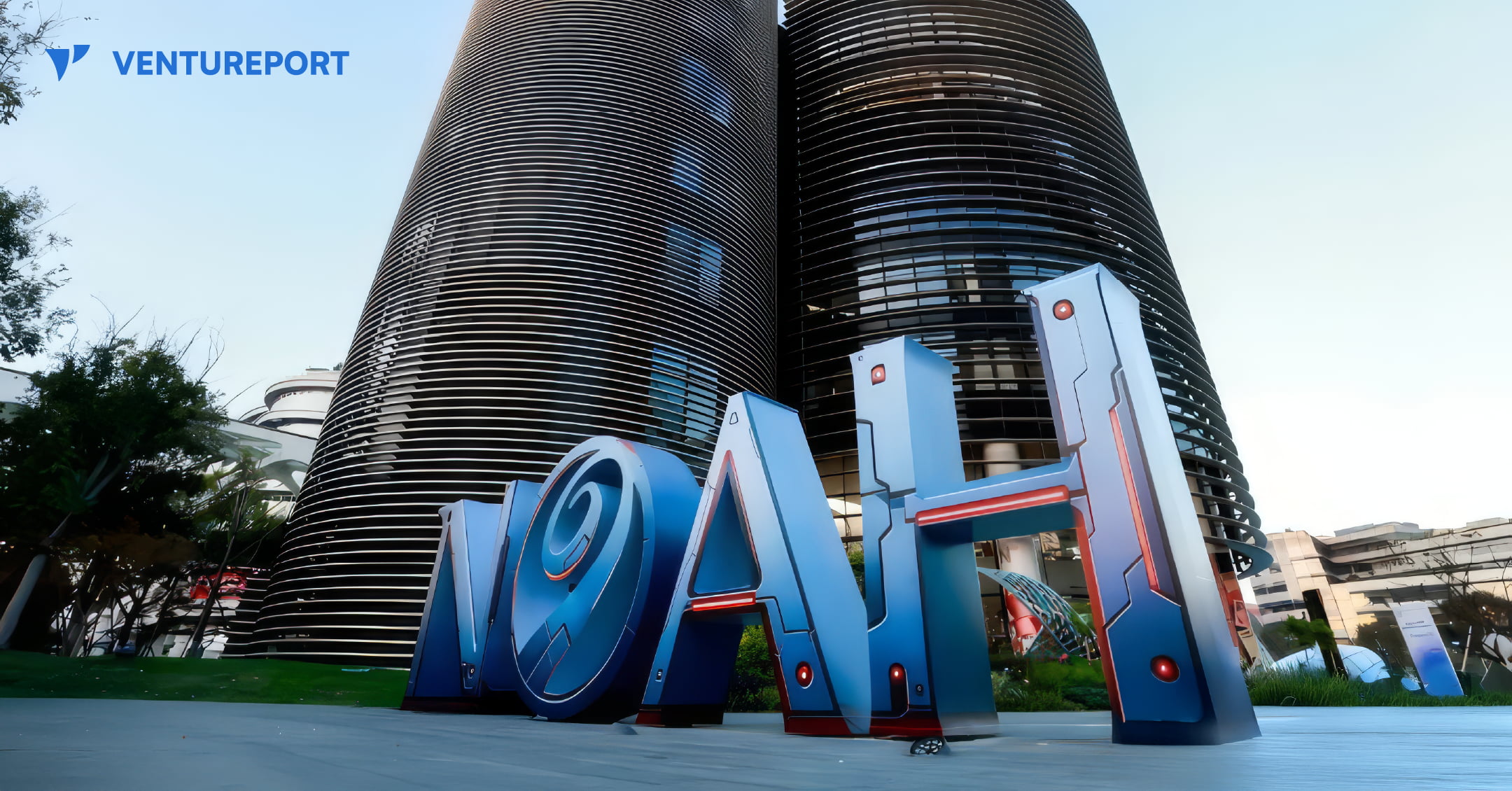
Noah’s Black Diamond Summit. PHOTO: ARK WEALTH
Noah Holdings, one of Asia’s leading wealth management firms serving global Chinese high-net-worth families, hosted its annual Black Diamond Summit in Macau from December 7–11. The city has become a significant gathering place for Noah’s community, where clients, partners, and experts converge each year to explore how global trends are transforming wealth and family life. This year’s theme, “AI Together, Co-Generating the Future”, set the tone for a conversation about how modern wealth management must adapt in an age defined by artificial intelligence.
More than 3,000 attendees joined discussions that connected technology, global mobility, and long-term family planning. The Summit built on earlier sessions held in Shanghai, creating a continuous dialogue around one central question: how can families prepare for a world that is becoming more digital, more complex and more interconnected?
A major moment came when Noah introduced “Noya”, its new AI Relationship Manager. Noya is now part of the upgraded iARK Hong Kong and Singapore apps. It is built to support licensed human advisors, not replace them. The goal is simple: combine human judgment with AI intelligence to help clients understand their wealth more clearly and manage it across borders. Noya offers real-time insights, deeper personalisation, cleaner access to global financial information, smoother coordination between regions, and end-to-end execution through Noah’s global booking centres.
The Summit’s tone shifted toward long-term thinking when Co-Founder and Chairwoman Norah Wang delivered her keynote, “From Chaos to Clarity: Building a Global Operating System for Wealth Management”. She reflected on twenty years of serving more than 400,000 clients and explained that families today face new pressures. As she put it, “The real pain point for Chinese families today is not investment performance, but navigating the growing complexities of a global lifestyle”. Her message was straightforward: wealth is no longer just about returns. It is about managing uncertainty in a world where technology, geopolitics, and mobility collide.
Wang described how two major shifts have shaped modern wealth—first the Internet Era, which changed how people built wealth, and now what she calls the AI Civilisation Era, which is changing how people must protect it. She outlined the forces that influence today’s decisions: geopolitical shifts, persistent inflation, the rising importance of security and supply-chain technologies, the spread of AI, and the need for stronger family governance across generations. Each of these factors adds complexity, and families need tools that help them see the bigger picture.
To respond to this reality, Noah presented its integrated global wealth infrastructure. It is built on three pillars:
Together, these pillars function as an AI-supported system designed to simplify global complexity and help families preserve long-term stability.
One of the most discussed conversations featured Noah’s CEO, Zander Yin, and Tony Shale, Co-Founder & Chairman of Asian Private Banker China. They spoke about how AI is transforming private banking in Asia. Their view was that wealth management is moving from a product-centred model to one led by insight, trust, and human-tech collaboration. AI may accelerate analysis, but human expertise will continue to guide judgment, relationships, and long-term strategy.
The closing message of the Summit centred on redefining what prosperity means in an AI-driven age. For Noah, wealth is no longer a destination. It is an ongoing journey through a world that is increasingly fast-moving and unpredictable. As Wang noted, “With AI reshaping the very foundations of civilisation, wealth and financial freedom represent not a static endpoint, but a continuous journey. Here, we find our purpose: to help global Chinese investors navigate an increasingly complex world and achieve true prosperity, supported by resilient wealth management infrastructure and deep human expertise”.
The Summit ended on that note—a reminder that the future of wealth is not only about financial assets, but about clarity, confidence and the ability to adapt as the world transforms.