
A closer look at how startups are turning local AI into global opportunity
Updated
March 24, 2026 6:25 PM
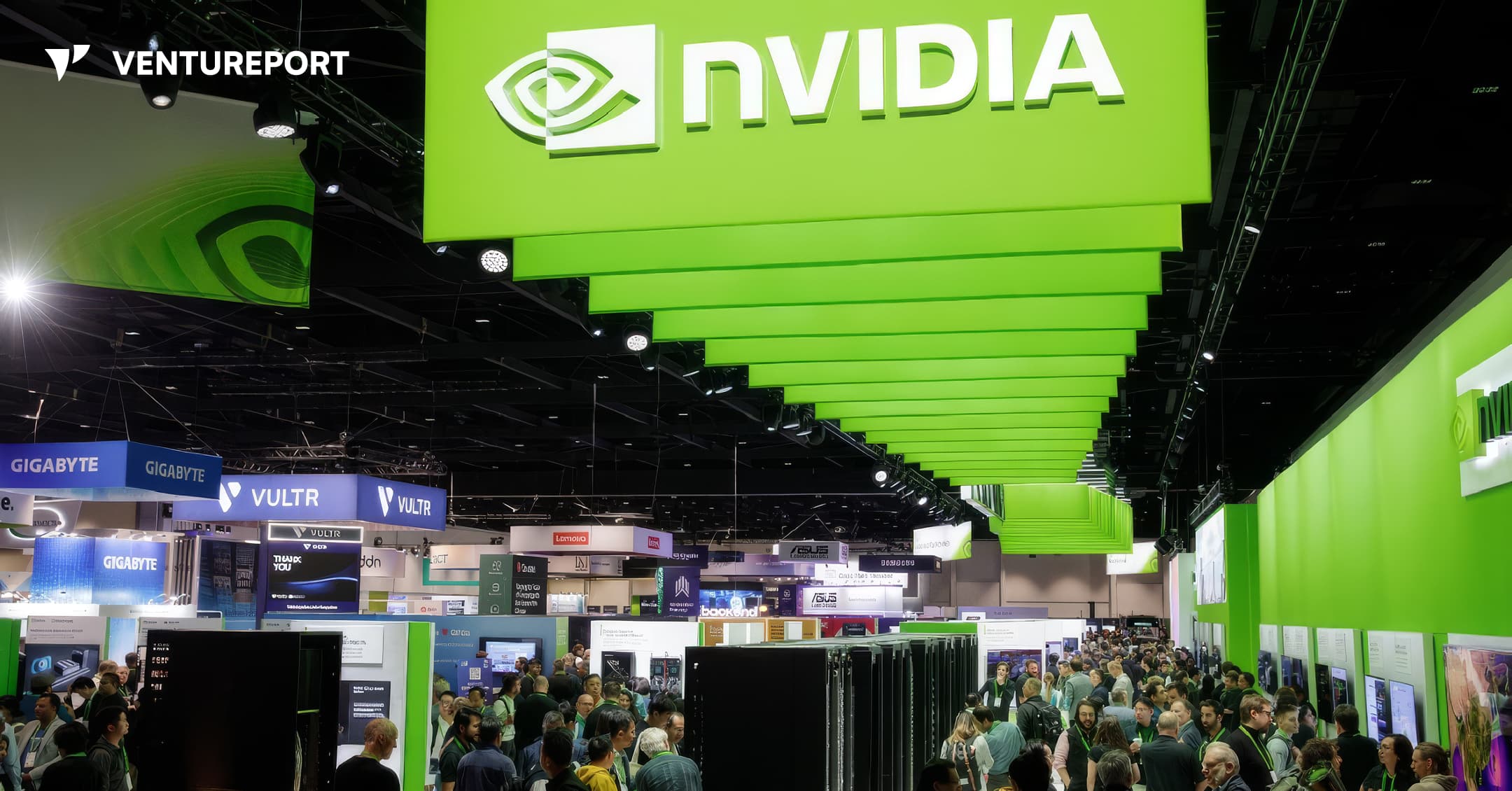
NVIDIA GTC 2026. PHOTO: NVIDIA
At NVIDIA GTC 2026 in Palo Alto, a group of 16 Taiwanese startups used the global AI stage to do more than showcase products—they tested how far their technologies could travel beyond domestic markets. The delegation, led by Startup Island TAIWAN Silicon Valley Hub with support from Taiwan’s National Development Council, reflected a broader shift in the country’s role within the AI ecosystem.
The startups represented a mix of emerging areas including digital twins, robotics, AI agents and healthcare, aligning closely with enterprise AI adoption trends. Some gained formal visibility within NVIDIA’s ecosystem, with companies such as MetAI and Spingence featured in the Inception Program, while six others presented their work in the conference’s poster gallery. These formats allowed them to engage directly with developers, enterprise users and potential partners rather than simply exhibiting technology.
A defining feature of Taiwan’s presence this year was how closely startups operated alongside established hardware companies such as ASUS, AAEON and Compal. This setup reflected a vertically integrated model where infrastructure and applications are developed together, offering a clearer path from product development to deployment. It also underscored Taiwan’s gradual shift from being primarily a hardware supplier to participating more actively across the full AI stack.
Activity around the conference extended well beyond the exhibition floor. A Taiwan Demo Day held during the week drew more than 1,000 registrations and nearly 600 in-person attendees, bringing startups into contact with close to 200 international investors. The event focused on structured introductions and deal flow, positioning startups in front of venture firms and corporate innovation teams looking for AI applications.
Alongside these formal sessions, Taiwan Startup Night provided a more informal but equally strategic setting. With over 100 curated participants, including founders, investors and corporate representatives, the gathering created space for early-stage conversations that could evolve into partnerships or market entry opportunities. These interactions, while less visible than on-stage presentations, are often where initial collaboration takes shape.
Taken together, the events around GTC point to a more coordinated approach to international expansion. Through platforms like Startup Island TAIWAN, the emphasis is not just on visibility but on building continuity—connecting startups with investors, partners and customers across multiple touchpoints in a single week. As AI development increasingly spans chips, systems and applications, Taiwan’s presence at GTC suggests a more integrated role, where the focus is as much on enabling global deployment as it is on developing the technology itself.
Keep Reading
Clinically grounded, game-based and always available — MIRDC’s AI system is redefining how children learn to communicate.
Updated
January 8, 2026 6:32 PM

A child practicing with a speech therapist. PHOTO: FREEPIK
Speech and language delays are common, yet access to therapy remains limited. In Taiwan, only about 2,200 licensed speech-language pathologists serve hundreds of thousands of children who need support—especially those with autism spectrum disorders or significant communication challenges. As a result, many children miss crucial periods of language development simply because help isn’t available soon enough.
MIRDC’s new AI-powered interactive speech therapy system aims to close that gap. Instead of focusing solely on articulation, it targets a wider range of language skills that many children struggle with: oral expression, comprehension, sentence building and conversational ability. This makes it a more complete tool for childhood speech and language development.
The system combines game-based learning, AI-driven guidance and automated language assessment into one platform that can be used both in clinics and at home. This integrated design helps children practice more consistently, providing therapists and parents with clearer insight into their progress.
The interactive game modules are built around clinically validated therapy methods. Imitation exercises, picture cards, storybooks and conversational prompts are turned into structured game levels, each aligned with a specific developmental goal. This step-by-step approach helps children move from simple naming tasks to more complex comprehension and response skills, all within a sequenced curriculum.
A key differentiator is the system’s real-time AI speech interpretation. As the child talks, the AI analyzes the response and generates tailored therapeutic cues—such as imitation, modeling, expansion or extension—based on the conversation. These are the same strategies used by speech-language pathologists, but now children can access them continuously, supporting more effective at-home practice and reducing long gaps between sessions.
After each session, the system automatically conducts a data-driven language assessment using 20 objective indicators across semantics, syntax and pragmatics. This provides clinicians and families with measurable, easy-to-understand reports that show how the child is progressing and which skills need more attention—something many traditional tools do not offer.
By offering a personalized, scalable and clinically grounded solution, MIRDC’s AI therapy system helps address the ongoing shortage of speech-language services. It doesn’t replace therapists; instead, it extends their reach, allows for more consistent practice and helps families support their child’s communication at home.
As an added recognition of its impact, the system recently earned two R&D 100 Awards, including the Silver Award for Corporate Social Responsibility. But at its core, the project remains focused on a simple mission: making high-quality speech therapy accessible to every child who needs a voice.