
A closer look at how startups are turning local AI into global opportunity
Updated
March 24, 2026 6:25 PM
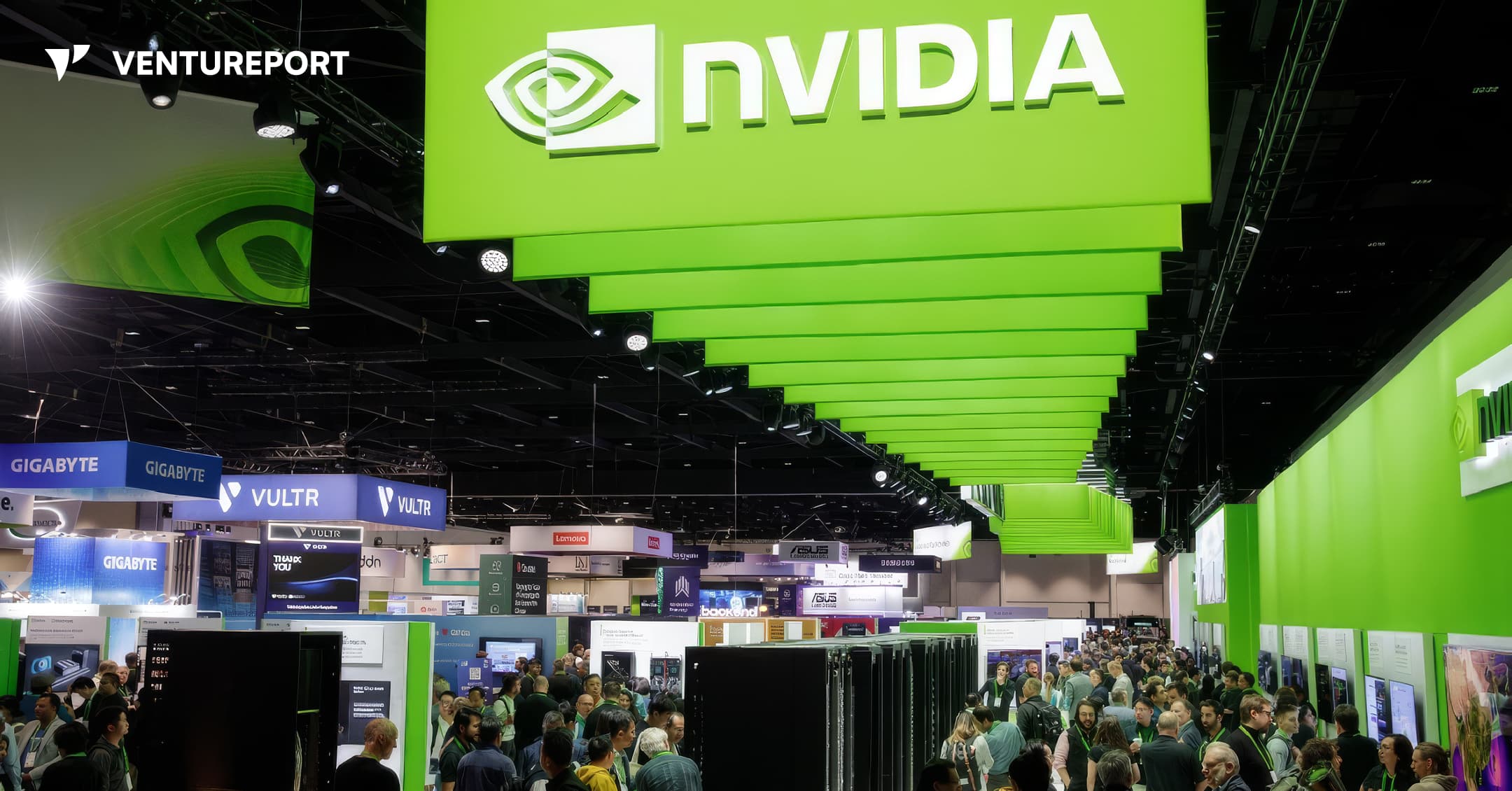
NVIDIA GTC 2026. PHOTO: NVIDIA
At NVIDIA GTC 2026 in Palo Alto, a group of 16 Taiwanese startups used the global AI stage to do more than showcase products—they tested how far their technologies could travel beyond domestic markets. The delegation, led by Startup Island TAIWAN Silicon Valley Hub with support from Taiwan’s National Development Council, reflected a broader shift in the country’s role within the AI ecosystem.
The startups represented a mix of emerging areas including digital twins, robotics, AI agents and healthcare, aligning closely with enterprise AI adoption trends. Some gained formal visibility within NVIDIA’s ecosystem, with companies such as MetAI and Spingence featured in the Inception Program, while six others presented their work in the conference’s poster gallery. These formats allowed them to engage directly with developers, enterprise users and potential partners rather than simply exhibiting technology.
A defining feature of Taiwan’s presence this year was how closely startups operated alongside established hardware companies such as ASUS, AAEON and Compal. This setup reflected a vertically integrated model where infrastructure and applications are developed together, offering a clearer path from product development to deployment. It also underscored Taiwan’s gradual shift from being primarily a hardware supplier to participating more actively across the full AI stack.
Activity around the conference extended well beyond the exhibition floor. A Taiwan Demo Day held during the week drew more than 1,000 registrations and nearly 600 in-person attendees, bringing startups into contact with close to 200 international investors. The event focused on structured introductions and deal flow, positioning startups in front of venture firms and corporate innovation teams looking for AI applications.
Alongside these formal sessions, Taiwan Startup Night provided a more informal but equally strategic setting. With over 100 curated participants, including founders, investors and corporate representatives, the gathering created space for early-stage conversations that could evolve into partnerships or market entry opportunities. These interactions, while less visible than on-stage presentations, are often where initial collaboration takes shape.
Taken together, the events around GTC point to a more coordinated approach to international expansion. Through platforms like Startup Island TAIWAN, the emphasis is not just on visibility but on building continuity—connecting startups with investors, partners and customers across multiple touchpoints in a single week. As AI development increasingly spans chips, systems and applications, Taiwan’s presence at GTC suggests a more integrated role, where the focus is as much on enabling global deployment as it is on developing the technology itself.
Keep Reading
How ECOPEACE uses autonomous robots and data to monitor and maintain urban water bodies.
Updated
January 23, 2026 10:41 AM

A school of fish swimming among debris and waste. PHOTO: UNSPLASH
South Korea–based water technology company ECOPEACE is working on a practical challenge many cities face today: keeping urban water bodies clean as pollution and algae growth become more frequent. Rather than relying on periodic cleanup drives, the company focuses on systems that can monitor and manage water conditions on an ongoing basis.
At the core of ECOPEACE’s work are autonomous water-cleanup robots known as ECOBOT. These machines operate directly on lakes, reservoirs and rivers, removing algae and surface waste while also collecting information about water quality. The idea is to combine cleaning with constant observation so changes in water conditions do not go unnoticed.
Alongside the robots, ECOPEACE uses a filtration and treatment system designed to process polluted water continuously. This system filters out contaminants using fine metal filters and treats the water using electrical processes. It also cleans itself automatically, which allows it to run for long periods without frequent manual maintenance.
The role of AI in this setup is largely about decision-making rather than direct control. Sensors placed across the water body collect data such as pollution levels and water quality indicators. The software then analyses this data to spot early signs of issues like algae growth. Based on these patterns, the system adjusts how the robots and filtration units operate, such as changing treatment intensity or water flow. In simple terms, the technology helps the system respond sooner instead of waiting for visible problems to appear.
ECOPEACE has already deployed these systems across several reservoirs, rivers and urban waterways in South Korea. Those projects have helped refine how the robots, sensors and software work together in real environments rather than controlled test sites.
Building on that experience, the company has begun expanding beyond Korea. It is currently running pilot and proof-of-concept projects in Singapore and the United Arab Emirates. These deployments are testing how the technology performs in dense urban settings where waterways are closely linked to public health, infrastructure and daily city life.
Both regions have invested heavily in smart city initiatives and water management, making them suitable test beds for automated monitoring and cleanup systems. The pilots focus on algae control, surface cleaning and real-time tracking of water quality rather than large-scale rollout.
As cities continue to grow and climate-related pressures on water systems increase, managing waterways is becoming less about occasional intervention and more about continuous oversight. ECOPEACE’s approach reflects that shift by using automation and data to address problems early and reduce the need for reactive cleanup later.