
The quiet infrastructure shift powering the next generation of data centers
Updated
January 30, 2026 11:42 AM

Peripheral Component Interconnect Express (PCIe) port on a motherboard, coloured yellow. PHOTO: UNSPLASH
Modern data centers operate on a simple yet fundamental principle: computers require the ability to share data extremely quickly. As AI and cloud systems grow, servers are no longer confined to a single rack. They are spread across many racks, sometimes across entire rooms. When that happens, moving data quickly and cleanly becomes harder.
Montage Technology, a Shanghai-based semiconductor company, builds the chips and connection systems that help servers exchange data without delays. This week, the company announced a new Active Electrical Cable (AEC) solution based on PCIe 6.x and CXL 3.x — two important standards used to connect CPUs, GPUs, network cards and storage inside modern data centers.
In simple terms, Montage’s new AEC product helps different parts of a data center “talk” to each other faster and more reliably, even when those parts are physically far apart.
As data centers grow to support AI and cloud workloads, their architecture is changing. Instead of everything sitting inside one rack, systems now stretch across multiple racks and even multiple rows. This creates a new problem: the longer the distance between machines, the harder it is to keep data signals clean and fast.
This is where Active Electrical Cables come in. Unlike regular copper cables, AECs include small electronic components inside the cable itself. These components strengthen and clean up the data signal as it travels, so information can move farther without getting distorted or delayed.
Montage’s solution uses its own retimer chip based on PCIe 6.x and CXL 3.x. A “retimer” refreshes the data signal so it arrives accurately at the other end. This allows servers, GPUs, storage devices and network cards to stay tightly connected even across longer distances inside large data centers.
The company also uses high-density cable designs and built-in monitoring tools so operators can track performance and fix issues faster. That makes large data centers easier to deploy and maintain.
According to Montage, the solution has already passed interoperability tests with CPUs, xPUs, PCIe switches and network cards. It has also been jointly developed with cable manufacturers in China and validated at the system level.
What makes this development important is not just speed. It is about scale. AI models, cloud services and real-time applications demand massive amounts of data to move continuously between machines. If that movement slows down, everything else slows with it.
By improving how machines connect across racks, Montage’s AEC solution supports the kind of infrastructure that next-generation AI and cloud systems depend on.
Looking ahead, the company plans to expand its high-speed interconnect products further, including work on PCIe 7.0 and Ethernet retimer technologies.
Quietly, in the background of every AI system and cloud service, there is a network of cables and chips doing the hard work of moving data. Montage’s latest launch focuses on making that hidden layer faster, cleaner and ready for the scale that modern computing now demands.
Keep Reading
Amid AI and tech startups, Eastseabrother proved the power of demand and trust.
Updated
January 23, 2026 10:41 AM
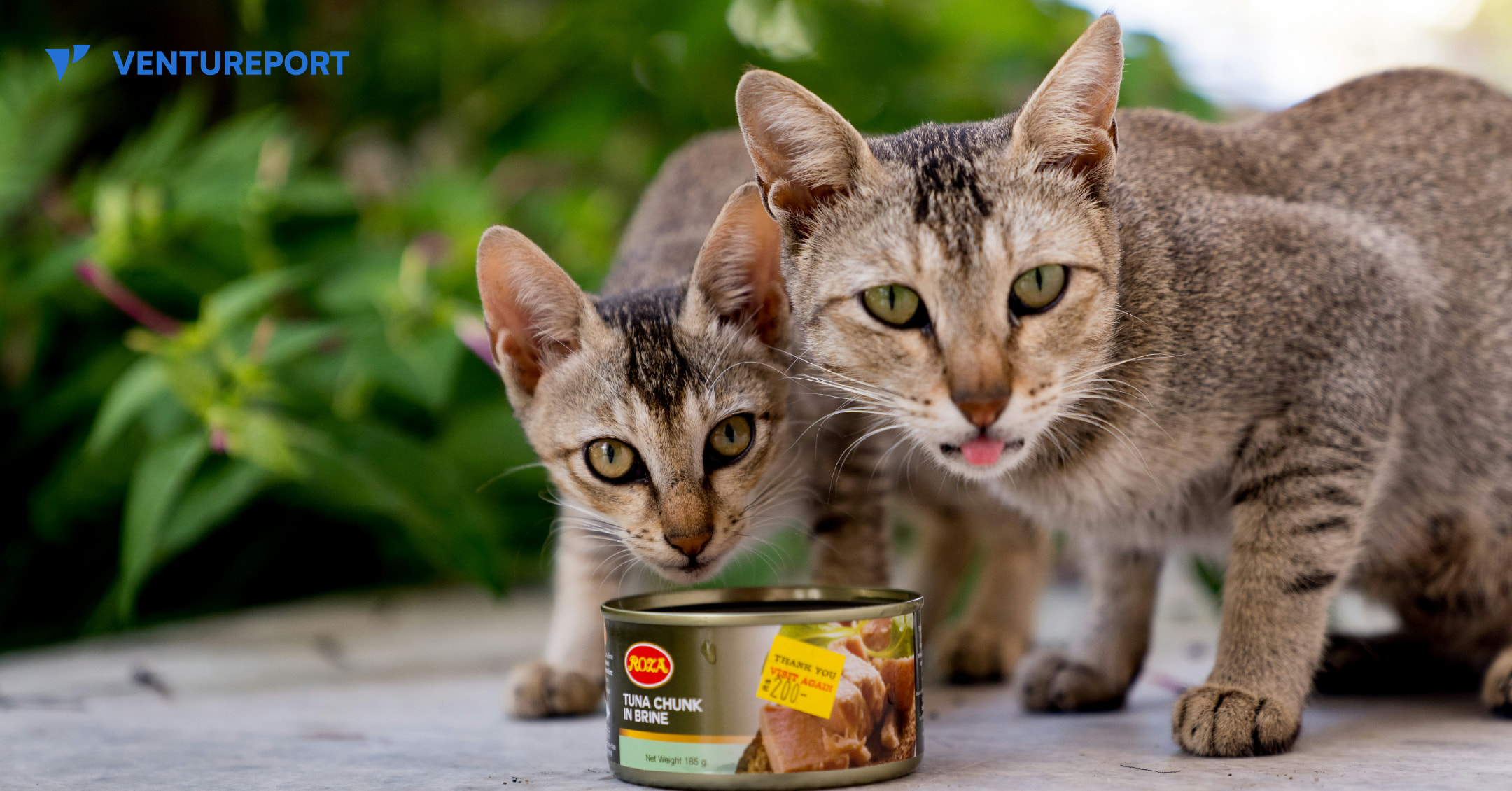
Cats having a jolly good time with a can of tuna. PHOTO: UNSPLASH
At a Silicon Valley pitch event crowded with AI, SaaS and deep-tech startups, the company that stood out was not selling software or algorithms. It was selling pet treats.
Eastseabrother, a premium pet food brand from South Korea, ranked first at a Plug and Play–hosted investor pitch competition in Sunnyvale. The product itself is simple: single-ingredient pet treats made from wild-caught seafood sourced from Korea’s East Sea. The company follows a principle it calls “Only What the Sea Allows”, working directly with regional fishermen while avoiding overfishing. With no additives and minimal processing, what sets Eastseabrother apart is not novelty, but control—over sourcing, supply chains and consistency.
That clarity helped the company walk away with both Best Product and Best Potential. “Investors asked detailed questions about repeat purchase rates and customer feedback, not just our technology or supply chain”, said Eunyul Kim, CEO of Eastseabrother. “That told us the market is shifting—real consumer trust now carries as much weight as a compelling tech narrative”.
What truly caught investors’ attention was not an ambitious vision of the future, but concrete evidence of traction today. Eastseabrother has already secured shelf space in specialty pet stores across California, New York and North Carolina, including an exclusive partnership with EarthWise Pet, a national specialty retail chain. At a consumer showcase at San Francisco’s Ferry Building, the brand recorded the highest on-site sales among all participating companies.
At its core, the pitch was built on simplicity: one ingredient, clear sourcing and a defined customer need. In a market saturated with complex products and abstract claims, that focus and transparency stood out.
The judges’ decision also reflects a broader shift in venture capital thinking. Not every successful startup is built on complex software or high-tech innovation. In categories like pet care—where trust, quality and transparency shape buying behavior—execution and credibility can matter more than technical sophistication.
Today, Eastseabrother has extended its reach beyond the U.S., expanding into Singapore and Hong Kong, with additional plans to grow further in North America as demand for premium pet food rises. And the broader takeaway from this pitch is not that consumer brands are overtaking tech startups. It is that investors are increasingly focused on fundamentals: who is buying, why they are returning and whether the business can sustain itself beyond the pitch deck.