
As airports grow more complex, the real innovation lies in making their systems simpler, faster, and easier to act on
Updated
March 24, 2026 5:55 PM

An airplane parked at Josep Tarradellas Barcelona-El Prat Airport. PHOTO: UNSPLASH
Airports are some of the most complex systems in the world. Every day, they manage thousands of flights, passengers, crew schedules, gates and ground operations—all moving at the same time. But much of this still runs on older software that doesn’t connect well, making simple decisions harder than they need to be.
This is the gap companies like AirportLabs are trying to address. Instead of relying on multiple disconnected systems, their approach brings airport operations into one cloud-based platform. The goal is straightforward: take scattered data and turn it into something teams can actually use in real time.
In practice, this means combining core systems like flight databases, resource management and display systems into a single interface. When everything is connected, airport staff can respond faster—whether it’s adjusting gate assignments, managing delays, or coordinating ground crews. Rather than reacting late, decisions can be made as situations unfold.
Another shift is how this technology is built. Traditional airport systems often require heavy on-site infrastructure and long deployment timelines. In contrast, cloud-based platforms remove much of that complexity. Updates are faster, systems are easier to scale and teams spend less time maintaining servers and more time improving operations.
What stands out is the speed of adoption. Instead of multi-year rollouts, newer systems can be implemented in weeks, allowing airports to see improvements much sooner.
At a broader level, this reflects a familiar pattern seen across industries. As operations become more data-heavy, the advantage shifts to those who can simplify complexity. In aviation, that doesn’t just mean better technology—it means making the entire system easier to run.
Keep Reading
A humanoid robot being escorted away by police in Macau has gone viral online, prompting jokes about what some called the world’s first “robot arrest.”
Updated
March 17, 2026 12:53 AM
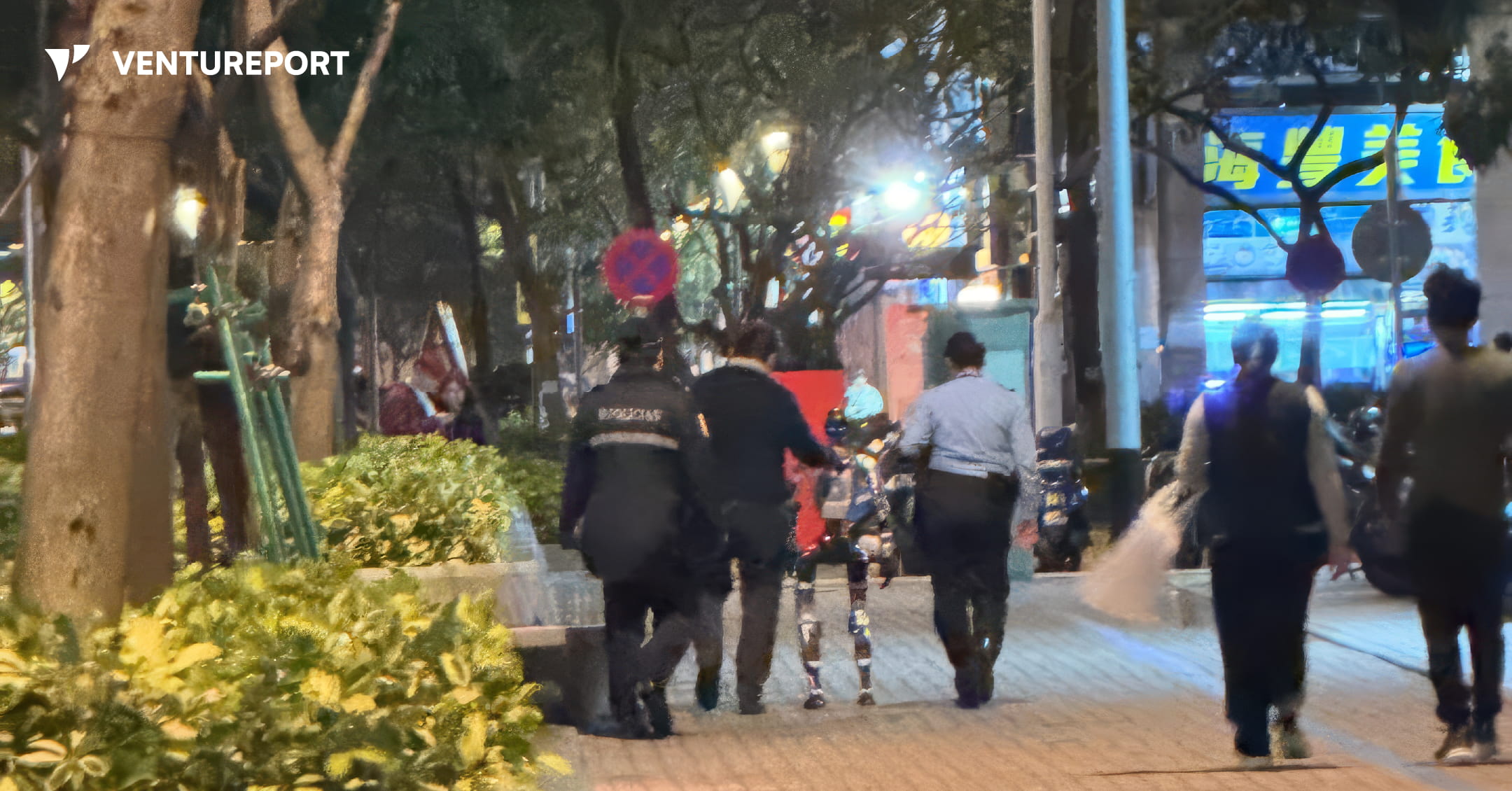
Macau police officer accompanying the humanoid robot. PHOTO: THREADS@BOXOF_CHOCOLATE
Police in Macau recently detained a humanoid robot after it frightened an elderly woman on a public street. The unusual encounter quickly spread online, prompting jokes about what some called the world’s first “robot arrest”.
On the evening of March 5, the robot was taken away by officers after the encounter triggered alarm among bystanders. Videos circulating on social media show an elderly woman confronting the robot on a sidewalk, visibly distressed and shouting that her “heart is pounding” while demanding to know why such “nonsense” was happening on the street. In the clip, the robot raises both hands toward the woman after she lashes out in fear — a gesture many viewers interpreted as a sign of apology.
Shortly afterwards, two officers from the Macau Public Security Police Force were seen escorting the robot and a man believed to be its operator away from the area. An officer is seen placing his right hand on the robot’s shoulder — the same posture police often use when presenting arrested suspects in official photographs.
That scene quickly spread online, fuelling jokes about what some called the world’s first “robot arrest”.
Photos shared online show a humanoid robot with long limbs and exposed mechanical joints, built from a black metallic frame without an outer shell. In dim lighting, several commenters said it resembled a “moving skeleton” — a striking sight for pedestrians encountering it unexpectedly on the street.
Witnesses said the woman appeared severely shaken and an ambulance was eventually called to take her to the hospital.
The incident also sparked discussion online about robots operating in public spaces. Some commenters argued that experimental technologies should be tested in controlled environments, while others said machines moving through public areas should have clearer designs or safety measures to avoid alarming pedestrians.
It remains unclear who deployed the robot or what purpose it was serving in the area at the time of the incident. Authorities have not released further details about the device or whether any action was taken following the encounter.