
AI actor Tilly Norwood releases a musical video arguing that artificial intelligence can expand creativity in film
Updated
March 13, 2026 2:18 PM

AI Actor Tilly Norwood. PHOTO: INSTAGRAM@TILLYNORWOOD
As Hollywood prepares for this weekend’s Oscars, a different kind of performer is stepping into the spotlight — one that doesn’t physically exist.
Tilly Norwood, described as the world’s first AI actor, has released her debut musical comedy video, Take the Lead. The project arrives at a moment when artificial intelligence has become one of the most contentious topics in the film industry.
The message of the song is simple. AI should not be seen as a threat to actors. Instead, it can become another creative tool. The release also offers a first look at what Norwood’s creators call the “Tillyverse”. It is envisioned as a cloud-based entertainment world where AI characters can live, interact and perform.
Behind the character is actor and producer Eline van der Velden. She is the CEO of production company Particle6 and AI talent studio Xicoia. Van der Velden created Tilly as a way to experiment with how artificial intelligence could be used in storytelling.
The timing is not accidental. The entertainment industry has spent the past few years debating the role AI should play in filmmaking and acting. Questions about digital replicas, automated performances and creative ownership continue to divide artists and studios.
Norwood’s musical video enters that debate with a different tone. Instead of warning about AI replacing actors, the project suggests that the technology could expand what performers are able to do.
The video itself also serves as a technical experiment. The song Take the Lead was generated using the AI music platform Suno. The video was then produced using a combination of widely available AI tools and Particle6’s own creative process.
One of the newer techniques used in the project is performance capture. Van der Velden physically acted out Tilly’s movements and expressions so the digital character could mirror a human performance. But the production was far from automated. According to Particle6, a team of 18 people worked on the video. The group included a director, editor, production designer, costume designer, comedy writer and creative technologist. In other words, the project still relied heavily on human creativity.
“Tilly has always been a vehicle to test the creative capabilities and boundaries of AI,” van der Velden said. “It’s not about taking anyone’s job”. She added that even with powerful tools, good AI content still takes time, taste and creative direction.
The project also reflects how quickly production technology is evolving. Tools that once required large studios are now accessible to smaller creative teams experimenting with AI-driven storytelling.
For Particle6, the character of Tilly Norwood acts as a testing ground. Each project explores how AI performers might be developed, directed and integrated into entertainment. Whether audiences embrace digital actors remains an open question. Many in the industry are still wary of how AI could reshape creative work.
But projects like Take the Lead show another possibility. Instead of replacing performers, artificial intelligence could become part of the creative process itself. In that sense, Tilly Norwood may represent something more than a virtual performer. She is also an experiment in how humans and machines might collaborate in the future of entertainment.
Keep Reading
Why investors are backing Applied Brain Research’s on-device voice AI approach.
Updated
January 28, 2026 5:53 PM
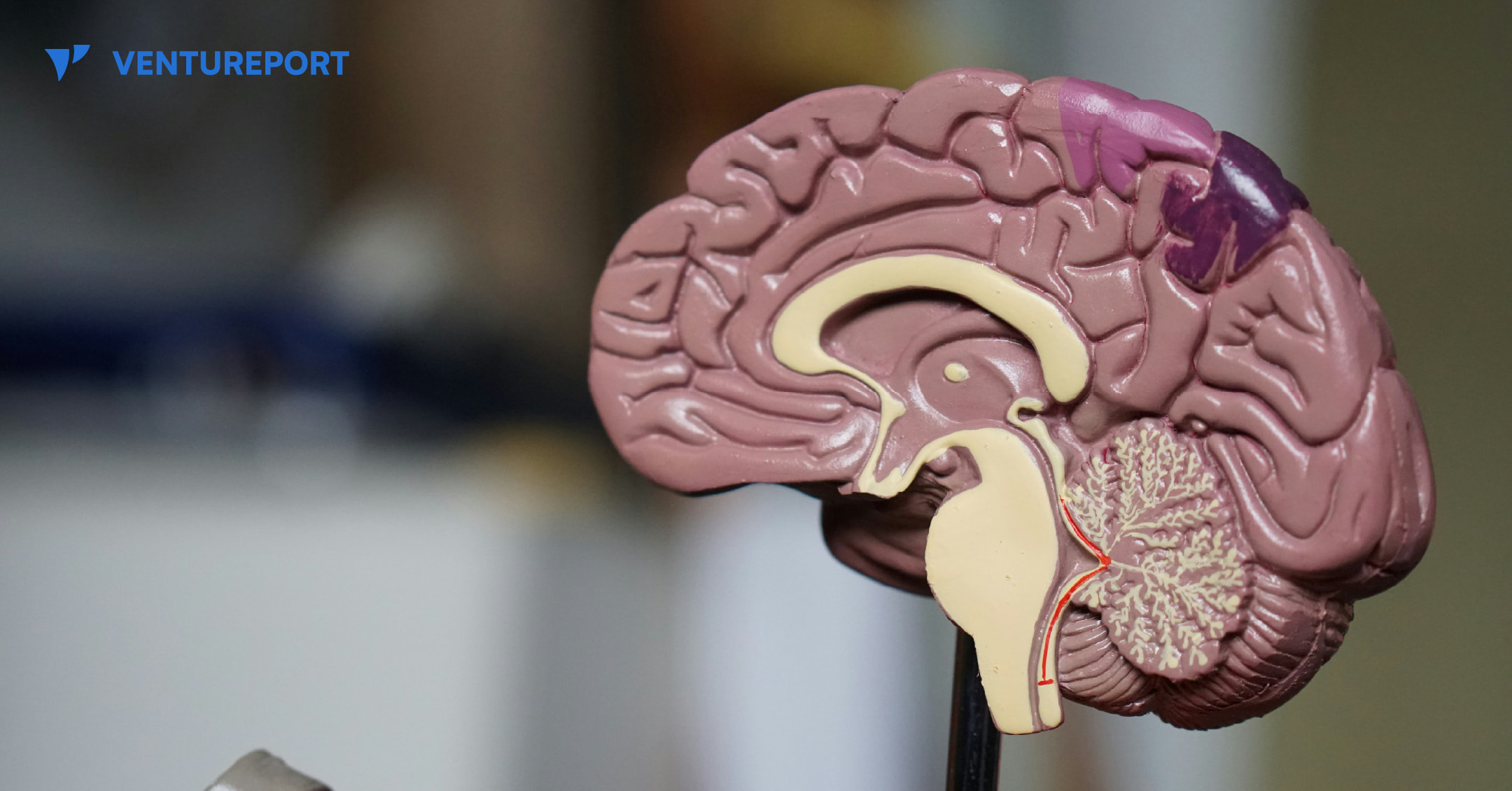
Plastic model of a human's brain. PHOTO: UNSPLASH
Applied Brain Research (ABR), a Canada-based startup, has closed its seed funding round to advance its work in “on-device voice AI”. The round was led by Two Small Fish Ventures, with its general partner Eva Lau joining ABR’s board, reflecting investor confidence in the company’s technical direction and market focus.
The round was oversubscribed, meaning more investors wanted to participate than the company had planned for. That response reflects growing interest in technologies that reduce reliance on cloud-based AI systems.
ABR is focused on a clear problem in voice-enabled products today. Most voice features depend on cloud servers to process speech, which can cause delays, increase costs, raise privacy concerns and limit performance on devices with small batteries or limited computing power.
ABR’s approach is built around keeping voice AI fully on-device. Instead of relying on cloud connectivity, its technology allows devices to process speech locally, enabling faster responses and more predictable performance while reducing data exposure.
Central to this approach is the company’s TSP1 chip, a processor designed specifically for handling time-based data such as speech. Built for real-time voice processing at the edge, TSP1 allows tasks like speech recognition and text-to-speech to run on smaller, power-constrained devices.
This specialization is particularly relevant as voice interfaces become more common across emerging products. Many edge devices such as wearables or mobile robotics cannot support traditional voice AI systems without compromising battery life or responsiveness. The TSP1 addresses this limitation by enabling these capabilities at significantly lower power levels than conventional alternatives. According to the company, full speech-to-text and text-to-speech can run at under 30 milliwatts of power, which is roughly 10 to 100 times lower than many existing alternatives. This level of efficiency makes advanced voice interaction feasible on devices where power consumption has long been a limiting factor.
That efficiency makes the technology applicable across a wide range of use cases. In augmented reality glasses, it supports responsive, hands-free voice control. In robotics, it enables real-time voice interaction without cloud latency or ongoing service costs. For wearables, it expands voice functionality without severely impacting battery life. In medical devices, it allows on-device inference while keeping sensitive data local. And in automotive systems, it enables consistent voice experiences regardless of network availability.
For investors, this combination of timing and technology is what stands out. Voice interfaces are becoming more common, while reliance on cloud infrastructure is increasingly seen as a limitation rather than a strength. ABR sits at the intersection of those two shifts.
With fresh funding in place, ABR is now working with partners across AR, robotics, healthcare, automotive and wearables to bring that future closer. For startup watchers, it’s a reminder that some of the most meaningful AI advances aren’t about bigger models but about making intelligence fit where it actually needs to live.