
A turbine-inspired generator shows how overlooked industrial airflow could quietly become a new source of usable power
Updated
February 3, 2026 11:23 AM

Campus building of Chung-Ang University. PHOTO: CHUNG-ANG UNIVERSITY
Compressed air is used across factories, data centers and industrial plants to move materials, cool systems and power tools. Once it has done that job, the air is usually released — and its remaining energy goes unused.
That everyday waste is what caught the attention of a research team at Chung-Ang University in South Korea. They are investigating how this overlooked airflow can be harnessed to generate electricity instead of disappearing into the background.
Most of the world’s power today comes from systems like turbines, which turn moving fluids into energy or solar cells, which convert sunlight into electricity. The Chung-Ang team has built a device that uses compressed air to generate electricity without relying on traditional blades or sunlight.
At the center of the work is a simple question: what happens when high-pressure air spins through a specially shaped device at very high speed? The answer lies in the air itself. The researchers found that tiny particles naturally present in the air carry an electric charge. When that air moves rapidly across certain surfaces, it can transfer charge without physical contact. This creates electricity through a process known as the “particulate static effect.”
To use that effect, the team designed a generator based on a Tesla turbine. Unlike conventional turbines with blades, a Tesla turbine uses smooth rotating disks and relies on the viscosity of air to create motion. Compressed air enters the device, spins the disks at high speed and triggers charge buildup on specially layered surfaces inside.
What makes this approach different is that the system does not depend on friction between parts rubbing together. Instead, the charge comes from particles in the air interacting with the surfaces as they move past. This reduces wear and allows the generator to operate at very high speeds. And those speeds translate into real output.
In lab tests, the device produced strong electrical power. The researchers also showed that this energy could be used in practical ways. It ran small electronic devices, helped pull moisture from the air and removed dust particles from its surroundings.
The problem this research is addressing is straightforward.
Compressed air is already everywhere in industry, but its leftover energy is usually ignored. This system is designed to capture part of that unused motion and convert it into electricity without adding complex equipment or major safety risks.
Earlier methods of harvesting static electricity from particles showed promise, but they came with dangers. Uncontrolled discharge could cause sparks or even ignition. By using a sealed, turbine-based structure, the Chung-Ang University team offers a safer and more stable way to apply the same physical effect.
As a result, the technology is still in the research stage, but its direction is easy to see. It points toward a future where energy is not only generated in power plants or stored in batteries, but also recovered from everyday industrial processes.
Keep Reading
Amid AI and tech startups, Eastseabrother proved the power of demand and trust.
Updated
January 23, 2026 10:41 AM
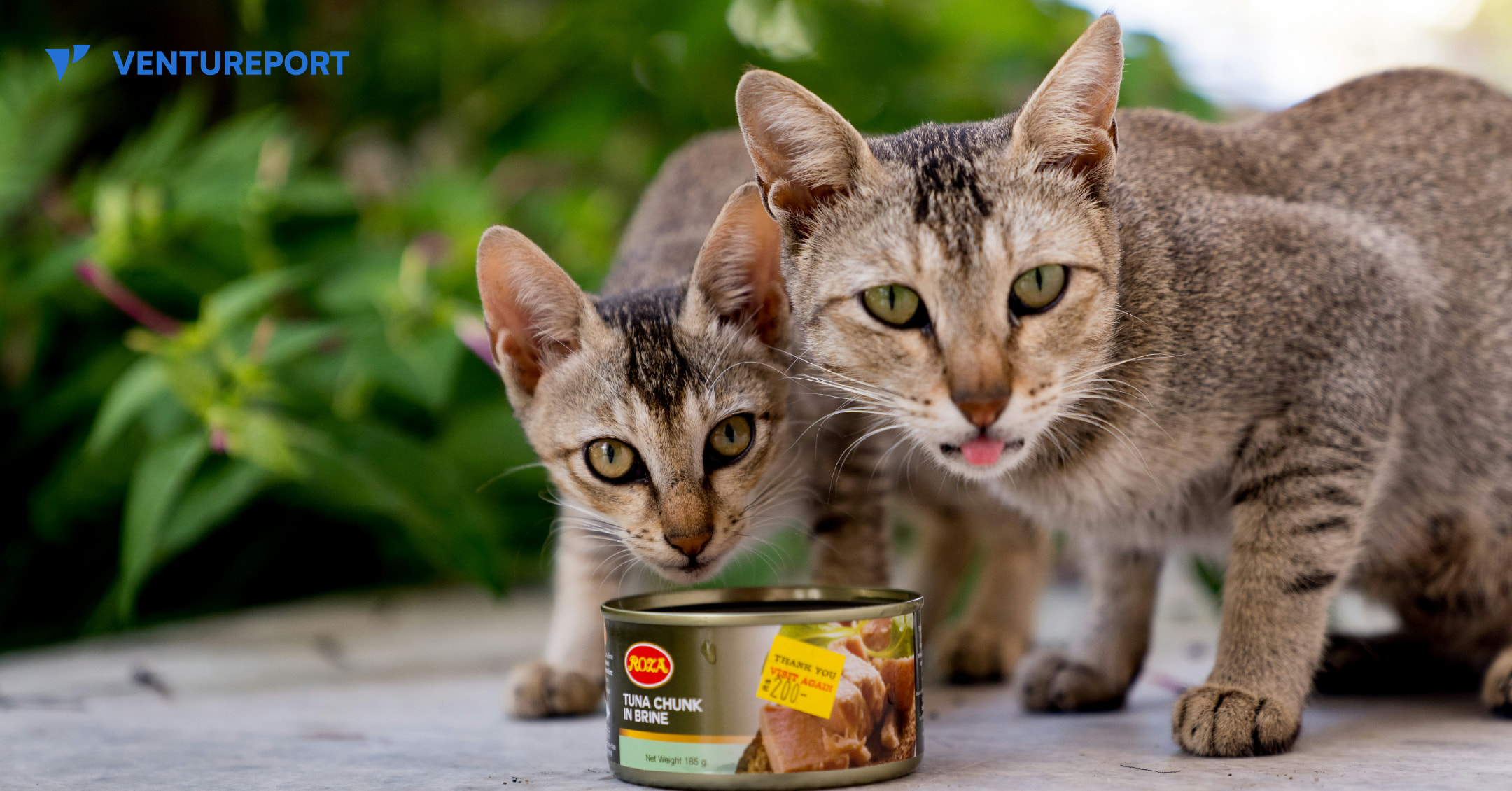
Cats having a jolly good time with a can of tuna. PHOTO: UNSPLASH
At a Silicon Valley pitch event crowded with AI, SaaS and deep-tech startups, the company that stood out was not selling software or algorithms. It was selling pet treats.
Eastseabrother, a premium pet food brand from South Korea, ranked first at a Plug and Play–hosted investor pitch competition in Sunnyvale. The product itself is simple: single-ingredient pet treats made from wild-caught seafood sourced from Korea’s East Sea. The company follows a principle it calls “Only What the Sea Allows”, working directly with regional fishermen while avoiding overfishing. With no additives and minimal processing, what sets Eastseabrother apart is not novelty, but control—over sourcing, supply chains and consistency.
That clarity helped the company walk away with both Best Product and Best Potential. “Investors asked detailed questions about repeat purchase rates and customer feedback, not just our technology or supply chain”, said Eunyul Kim, CEO of Eastseabrother. “That told us the market is shifting—real consumer trust now carries as much weight as a compelling tech narrative”.
What truly caught investors’ attention was not an ambitious vision of the future, but concrete evidence of traction today. Eastseabrother has already secured shelf space in specialty pet stores across California, New York and North Carolina, including an exclusive partnership with EarthWise Pet, a national specialty retail chain. At a consumer showcase at San Francisco’s Ferry Building, the brand recorded the highest on-site sales among all participating companies.
At its core, the pitch was built on simplicity: one ingredient, clear sourcing and a defined customer need. In a market saturated with complex products and abstract claims, that focus and transparency stood out.
The judges’ decision also reflects a broader shift in venture capital thinking. Not every successful startup is built on complex software or high-tech innovation. In categories like pet care—where trust, quality and transparency shape buying behavior—execution and credibility can matter more than technical sophistication.
Today, Eastseabrother has extended its reach beyond the U.S., expanding into Singapore and Hong Kong, with additional plans to grow further in North America as demand for premium pet food rises. And the broader takeaway from this pitch is not that consumer brands are overtaking tech startups. It is that investors are increasingly focused on fundamentals: who is buying, why they are returning and whether the business can sustain itself beyond the pitch deck.