
Endometriosis often takes years to diagnose. This ultrasound simulation innovation could help change that
Updated
March 17, 2026 1:01 AM

A group of women facing backwards. PHOTO: UNSPLASH
Endometriosis affects roughly one in ten women worldwide, yet diagnosing the condition often takes years. In many cases, patients experience symptoms for nearly a decade before receiving a confirmed diagnosis. One reason is that detecting endometriosis through ultrasound requires specialized training and clinicians do not always encounter enough real cases to build that expertise.
To address this gap, medical simulation company Surgical Science has introduced a new ultrasound training module designed specifically for identifying endometriosis. The system allows clinicians to practice scanning techniques in a virtual environment, helping them recognize signs of the disease without relying solely on real-patient cases.
A key feature of the simulator is training on the “sliding sign,” an ultrasound indicator used to detect deep endometriosis. Because the condition can appear differently from patient to patient, mastering this assessment in real clinical settings can be difficult. The simulator allows clinicians to repeat the process across multiple scenarios, improving their ability to identify the condition during routine examinations.
The module also incorporates the International Deep Endometriosis Analysis (IDEA) protocol, which provides a structured method for performing a complete pelvic ultrasound assessment. Additional training cases, region-based scenarios and certification options are included to support standardized learning.
Early training results suggest strong improvements in clinician confidence, including higher skill levels in transvaginal ultrasound and better recognition of deep endometriosis. By expanding access to structured ultrasound training, simulation tools like this could help reduce diagnostic delays and improve care for millions of women living with the condition.
Keep Reading
How the high-profile trial of the music mogul offers lessons for entrepreneurs on accountability, ethics, and leadership.
Updated
January 8, 2026 6:35 PM
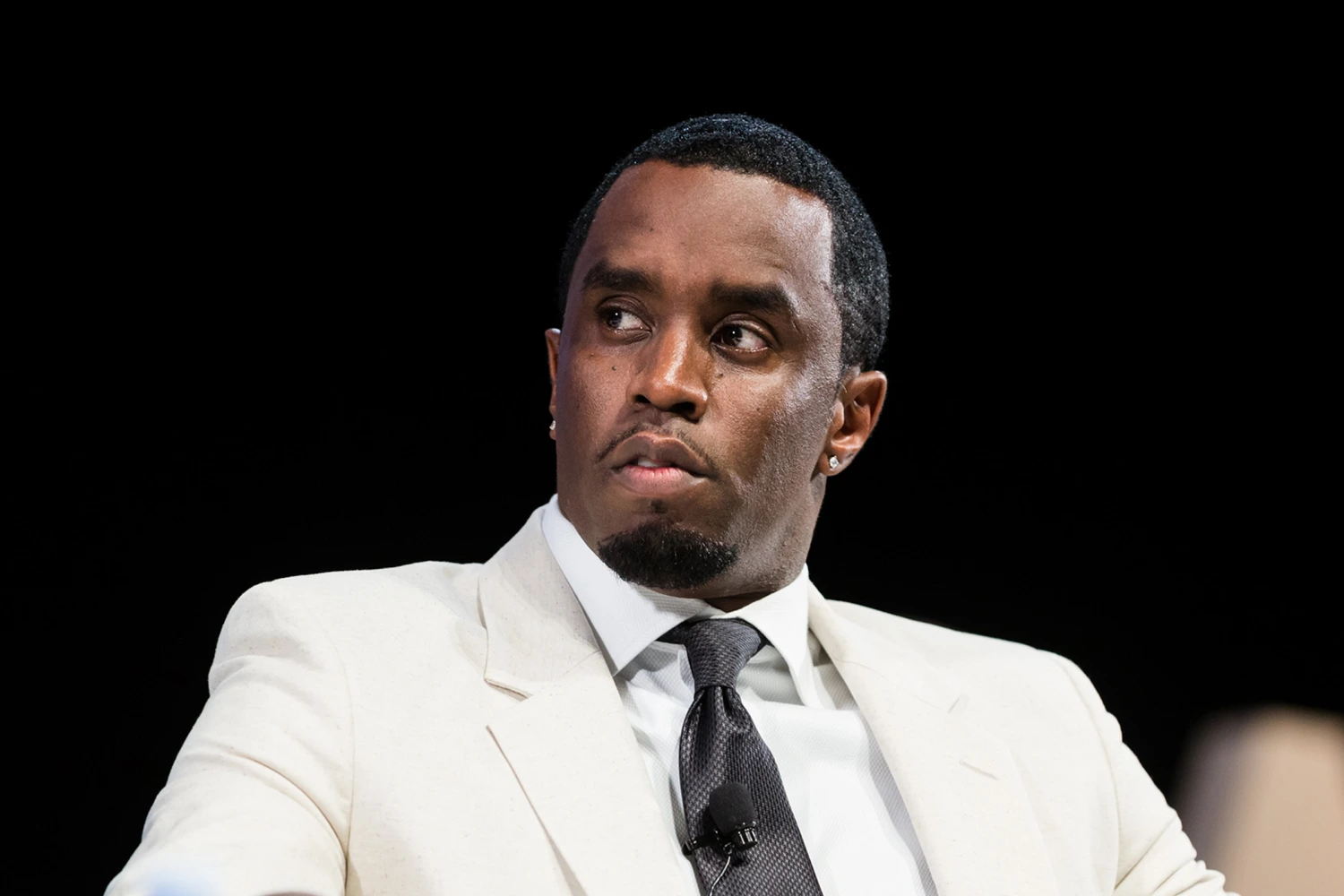
Sean "DIddy" Combs. PHOTO: NPC NEWS
Sean “Diddy” Combs—hip-hop icon, entrepreneur, and cultural force—has built a career on his larger-than-life persona, business acumen, and ability to dominate industries ranging from music to fashion to spirits. But his recent trial, which involves explosive allegations of racketeering, sex trafficking, and transportation to engage in prostitution, has cast a shadow over his legacy.
The federal trial, which began after his arrest in September 2024, has revealed shocking claims, including coercion, manipulation, and the abuse of power in both personal and professional settings. While Combs has pleaded not guilty to all charges, the case offers valuable lessons for small business owners about leadership, ethics, and the responsibility that comes with power.
Here’s what entrepreneurs can learn from the allegations and fallout surrounding Diddy’s trial.
Diddy has been accused of creating a toxic environment that involved coercion, manipulation, and abuse of power—both in his personal relationships and his professional dealings. The trial has highlighted allegations of “freak-offs,” elaborate sexual encounters with escorts that were reportedly coerced, as well as threats of financial and reputational harm to control others.
In business, leaders hold significant power over employees, partners, and collaborators. whether through coercion, intimidation, or favoritism—can lead to toxic environments and long-term damage to the organization.
The case has shown how Diddy’s alleged actions went unchecked for years, with accusations of violence, threats, and even financial control over his accusers. Testimonies from former employees and partners reveal a pattern of behavior that created a culture of fear and silence around him.
For small business owners, this is a reminder that accountability begins with leadership. If you fail to hold yourself and others accountable, you risk fostering an environment where misconduct is ignored or accepted.
A recurring theme in the trial is how Combs’ personal actions—both alleged and confirmed—have affected his professional reputation. From footage of him physically assaulting Cassie in a hotel hallway to allegations of coercion during drug-fueled parties, the courtroom revelations have tarnished his public image and cast a shadow over his brand.
For small business owners, this reinforces an important truth: your personal behavior can have far-reaching consequences for your business. Customers, employees, and partners often associate the values and reputation of a business with its leader.
The case has also highlighted the dangers of power imbalances. Testimonies from accusers like Cassie allege that Diddy used financial control—such as threatening to withhold rent payments—to coerce others into complying with his demands.
In a small business setting, power dynamics are also present, particularly between employers and employees or business owners and partners. Misusing that power, even unintentionally, can lead to resentment, distrust, and legal challenges.
The allegations against Diddy span more than a decade, with claims of abuse dating back decades. Had there been systems in place to address grievances or hold him accountable earlier, the damage to his brand—and to the individuals involved—might have been mitigated.
For small businesses, neglecting proactive measures to address workplace issues can lead to larger crises later. Waiting until problems escalate is not only costly but can also permanently harm your business’s reputation.
The Sean “Diddy” Combs trial is a cautionary tale about the consequences of unchecked power, unethical behavior, and a lack of accountability. For small business owners, it underscores the importance of leadership that prioritizes transparency, fairness, and integrity.
Running a business isn’t just about profits—it’s about creating a legacy founded on trust and respect. By learning from the mistakes and controversies of others, entrepreneurs can build companies that inspire loyalty, foster positive relationships, and stand the test of time.